If you thought Android was on a roll and RIM was toast — surprise, surprise. The mobile operating system that Google built continues to cool down while Apple and the Waterloo, Ont. gang that can’t shoot straight gain momentum. Just half of November mobile ad requests came from Android-based devices, a new report shows.
The United States International Trade Commission (ITC) has ruled in favor of Apple and declared a ban on the import of many HTC devices in the US, including flagship phones like the Sprint Evo 4G and Verizon Droid Incredible. The ruling would effectively end HTC’s business in the US.
After a lengthy back-and-forth between the two companies, the ITC has ruled that HTC infringes on two of Apple’s patents. Should the President of the United States decide to let the decision pass through, the ban will be put into effect on April 19, 2012. HTC plans to implement “alternate solutions” to combat the ruling.
According to a report from App Data, Facebook for Android garners more daily users than Facebook for iPhone. Android’s very own Facebook app boasts 58.8 million daily active users while Facebook for iPhone attracts 57.6 million.
Based on App Data’s projections, the Android adoption of Facebook’s app is accelerating faster than iPhone user adoption.
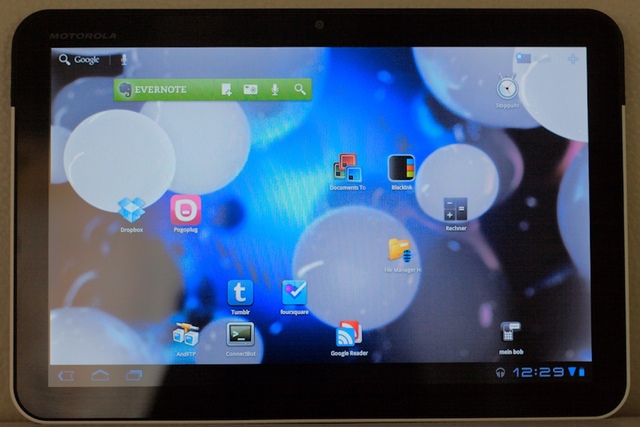
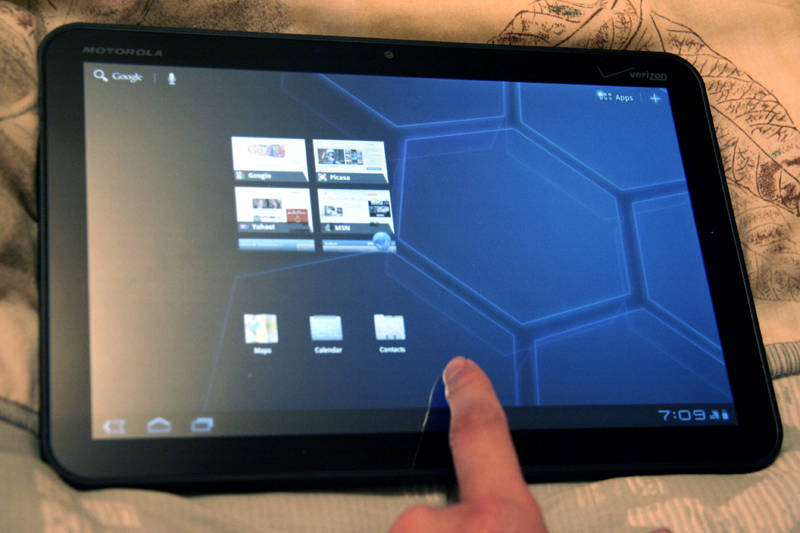
Remember the Motorola Xoom tablet, Google’s first attempt to compete against Apple’s iPad? It was only a bad dream. Google Chairman Eric Schmidt is now promising a purely Android tablet “of the highest quality” in six months.
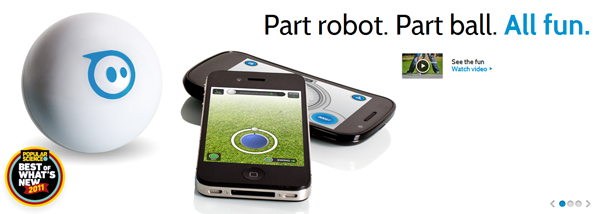
Earlier this month, Orbotix apologized for dropped the ball (all puns intended) on their shipment deadline of pre-holiday arrival. They blamed themselves entirely and promised to “ramp up” production. Thankfully they’ve gotten the ball moving and have rolled out their first batch of Spheros. We’re not entirely sure how many Spheros have gone out but some of you may have the opportunity to play with your balls right before for Christmas.
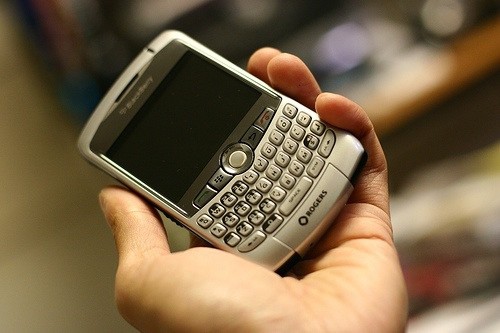
Here’s a sign of just how far BlackBerry-maker Research In Motion has fallen: Apple’s App Store is worth more than the entire Waterloo, Ont. company. Yes — just one Apple property could buy an entire company, lock, stock and smartphone.
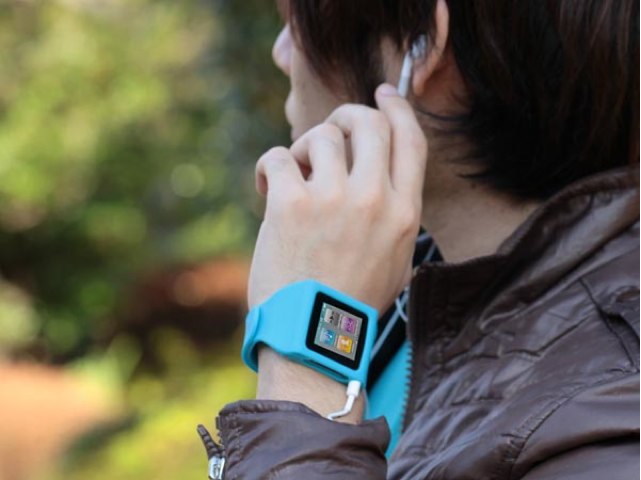
The New York Times reports that Apple is “secretly” working on a number of wearable devices including a new “curved-glass iPod that would wrap around the wrist.” The devices will have Siri built-in allowing us to control them with our voice, and may even relay information back to our iPhones.
As Research In Motion circles the smartphone drain, its two CEOs cut their pay to $1. The Steve Jobs-like maneuver may not be enough to save a company that lost 70 percent of its profit to Apple and Android. The only question left: Are the BlackBerry maker’s leaders even worth a buck?
If BlackBerry maker Research in Motion were going to dinner, it would arrive five hours late, finding Apple and Google had already eaten, told the best jokes and gone home with all the good-looking women. That’s the image analysts are offering in the wake of RIM announcing yet another delay entering the smartphone market.
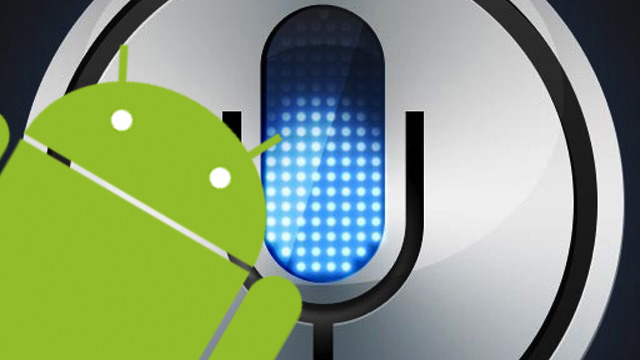
Apple’s new Siri assistant has really revolutionized the way in which we interact with mobile devices using our voice. It’s no wonder, then, that rivals are scrambling to introduce their own alternatives. Google already has one for Android, according to some reports, called Majel, and it’ll debut during the first quarter of 2012.
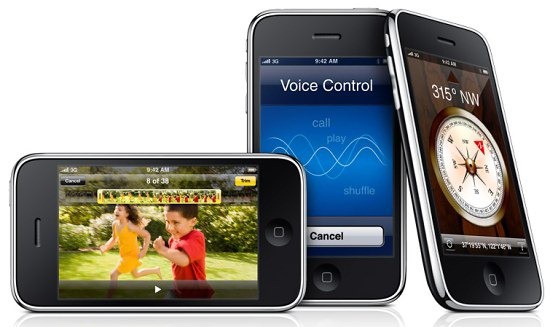
In technology, two years can be a lifetime. It’s encouraging to learn the iPhone 3G is still going strong. According to reports, suppliers will ship 2 million of the handsets during the December quarter, making it the second best-selling iPhone behind the iPhone 4.
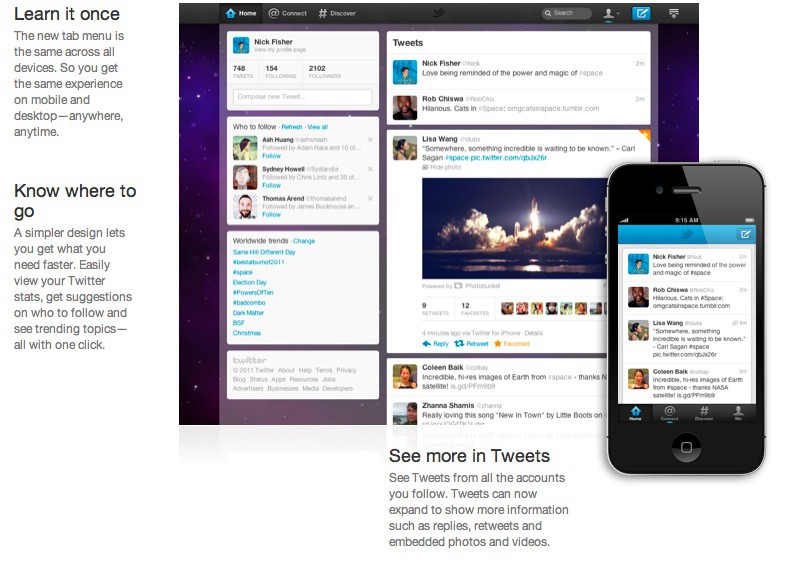
Today, Twitter announced a new design for the popular micro-blogging site that will start rolling out over the next couple of weeks, which they hope will make it easier than ever to connect with other users and discover great new content.
If you go to Twitter.com, you won’t see the sexy new interface for a while yet, but as part of their push to update all officially supported Twitter platforms to the new paradigm, Twitter has pushed out a totally overhauled version of the Twitter for iPhone app.
During an interview at the Le Web expo in Paris this week, Google chairman Eric Schmidt took a stab at Apple and insisted his company’s Android operating system is way ahead of iOS in a number of ways, including affordability and choice. What’s more, Schmidt claims that in six months, Ice Cream Sandwich will offer better functionality.
One of the things that really stands out using an iPhone is just how smooth it feels compared to using Android. Where as Android is laggy, with a measurable interim between when you touch the screen and when the OS responds, iOS almost seems to anticipate what you want to do before your finger touches the display.
How has Apple managed this incredible feat? A better question might be: “How has Google managed to screw up Android’s multitouch so much?” According to Andrew Munn — a software engineering student and ex-Google intern — Android is so messed up that Google might never be able to match an iPhone or iPad’s performance. Ouch!
We received some interesting insight into the contentious courtroom war between Apple and Samsung, thanks to a technical slip-up from the U.S. District Court in charge of the patent-infringement case. What was revealed appears more intriguing than the actual ruling denying Apple’s attempt to quickly block U.S. sales of Samsung’s Galaxy phone and tablet. Not so well hidden behind sloppy redaction was Apple’s own internal analysis finding Samsung’s devices would steal more Android than iOS users.
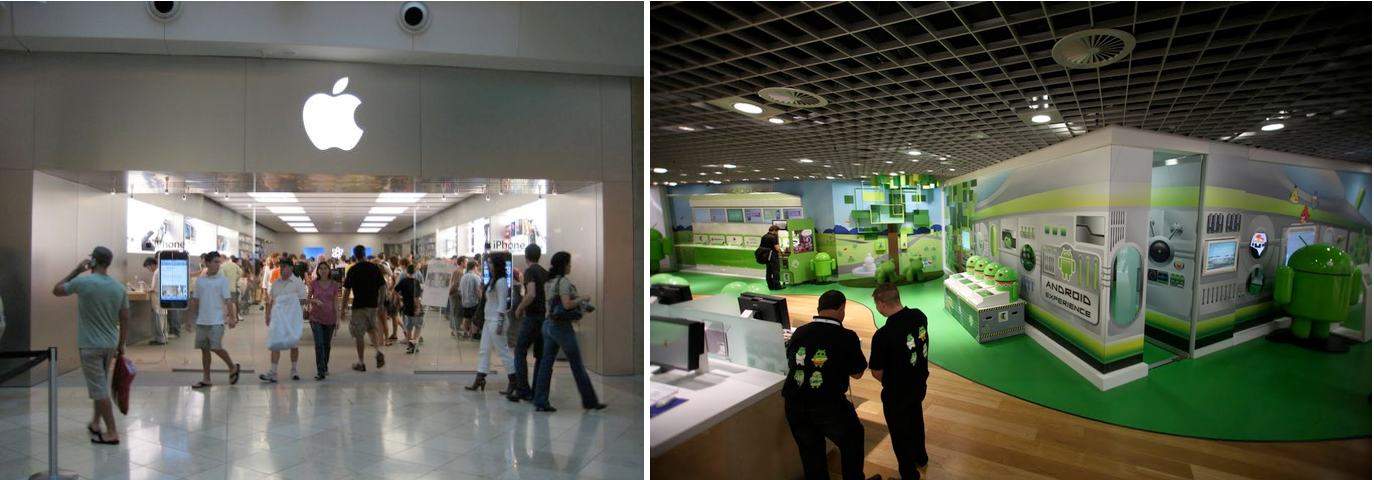
On Friday, Google opened a new Android store with Androidland in Melbourne, a place to hawk Android tablets and phones made by various manufacturers. So how’s it stand up against the Apple Store? Let’s see! (click to enlarge)
Apple Store (left) — Brightly lit, thronged with customers, tastefully designed with the finest materials and well-staffed with bright, enthusiastic employees at the top of their field who are constantly moving to help people with questions.
Androidland (right) — Dark and dimly lit, with a design more evocative of an early 90s Chuck E. Cheese arcade pit than a high-end retail store. Staffed by two disengaged lunkheads, who expertly manage not only to ignore the only customer on the floor, but to be at least fifty feet away from him.
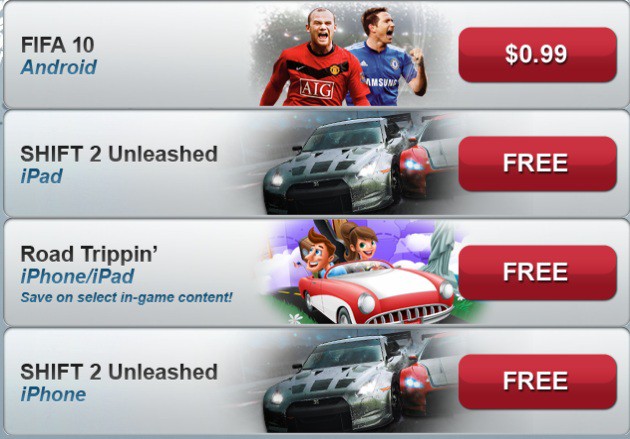
Ever since Electronic Artists (EA) started investing in the mobile games scene, the company has produced a flurry of titles that have been a big hit with Apple fans. With the combination of console to iOS ports (FIFA 12, NBA JAM, Dead Space) and original content made exclusively for iOS (Max & the Magic Marker, Fantasy Safari), EA has become one of the hottest game developers for the iPhone and iPad.
Now that we’re rolling into the holiday season, EA is starting to feel the Christmas spirit and has created a “Daily Deals” page that highlights new deals on their most popular games.
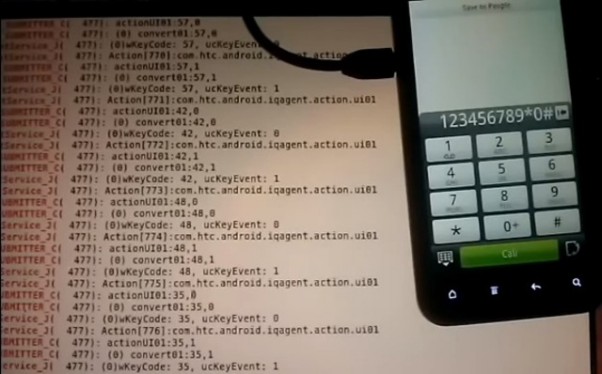
Despite the fact that Apple allows users an easy way to opt out of the service, have removed it entirely from most of their phones and that Apple’s implementation of Carrier IQ tracks no personal information whatsoever, guess what? Cupertino’s been named in a class action lawsuit over the notorious keylogging software, along with a host of other hardware makers, all of whom are way more guilty.
Although it is widely believed that Apple refuses to license its patents to competing companies, it turns out that’s a huge misconception. In fact, the company licenses a patent covering iOS touch-based scrolling to the likes of IBM and Nokia, and it offered the same deal to rival Samsung, who wasn’t at all interested. If it had taken Apple up on the offer, however, it could have spared the Korean company a whole load of trouble in court.
HTC, the world’s largest maker of Android phones, is in all likelihood furiously rubbing rabbit’s feet and sweating buckets in the face of a potential trade ruling Tuesday that could slam the door on U.S. sales of all handsets using the Google mobile operating system. Experts already predict Android is in “serious trouble.”
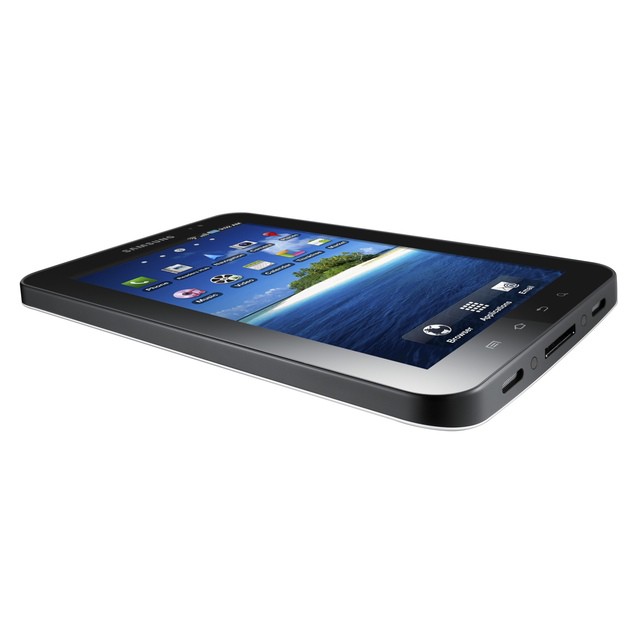
Just a day after the injunction against the Samsung Galaxy Tab 10.1 was lifted in Australia, allowing Samsung to sell the device down under for the first time, Apple has won a one-week extension that will once again put the tablet’s launch on hold while it prepares its appeal to the High Court.
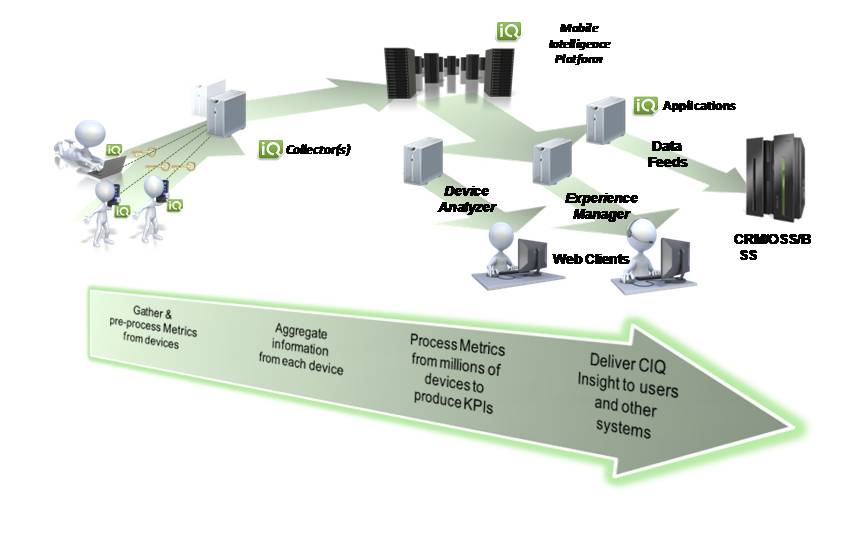
With the recent controversy surrounding Carrier IQ, U.S. Senator Al Franken has jumped back into the fight for privacy and sent an open letter yesterday to Carrier IQ asking the company to answer a number of questions concerning the company’s key-logger and data logging software. Senator Franken’s letter contains 11 pointed questions mostly asking why the company logs information, what type of information they’re tracking, who receives the information, and how is it used?
Carrier IQ’s software is currently running on millions of smartphones in the U.S. Apple released a statement on Thursday promising to eradicate all traces of Carrier IQ’s software with a new software update. Android manufacturer HTC released a statement today blaming carriers for the inclusion of CarrierIQ on their phones. Samsung also released a similar statement.
Carrier IQ’s not having a good day. The invasive keylogging software which comes installed on over 140 million Android, Nokia and Blackberry smartphones is embroiled in controversy, and it’s not just creepy… it’s probably illegal, and Senator Al Franken — who once grilled Apple over the so-called LocationGate — is now demanding answers.
The Carrier IQ scandal has broken everywhere since we first reported it yesterday morning. The invasive rootkit is installed on over 140 million phones the world over, and logs everything you do with your device, from the numbers you dial to the smutty pictures you send to your girlfriend.
Yesterday, we reported the story as one proving Steve Jobs right about how Android tracks everything you do, but a day later, things seem a lot less black and white. Carrier IQ’s software comes pre-installed on other devices besides Android, like BlackBerrys and Nokias, and as even the name of the software suggests, seems to be something installed by carriers. And, as it turns out, some iPhones. Luckily, disabling it is the easiest thing in the world, and it logs none of your personal information, unlike the software’s more nefarious Android counterpart.
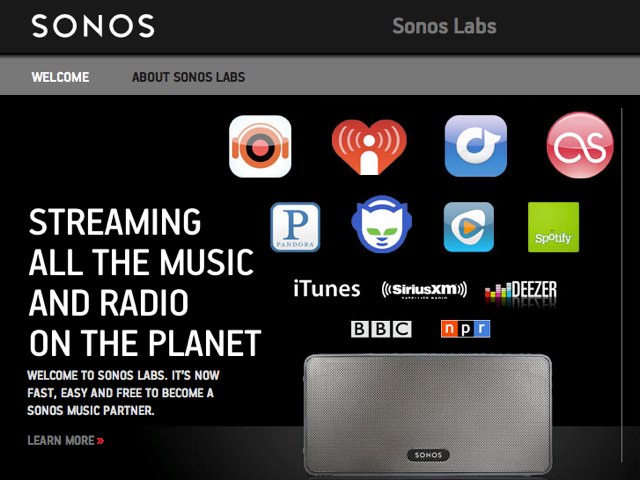
Sonos has issued an update to its Sonos System Software today which adds a number of exciting new features that promise to enhance your Sonos experience. In addition to support for Slacker Radio in the U.S. and Canada, and new Spotify features, the update adds support for Android tablets, and a ‘Sonos Labs’ beta.