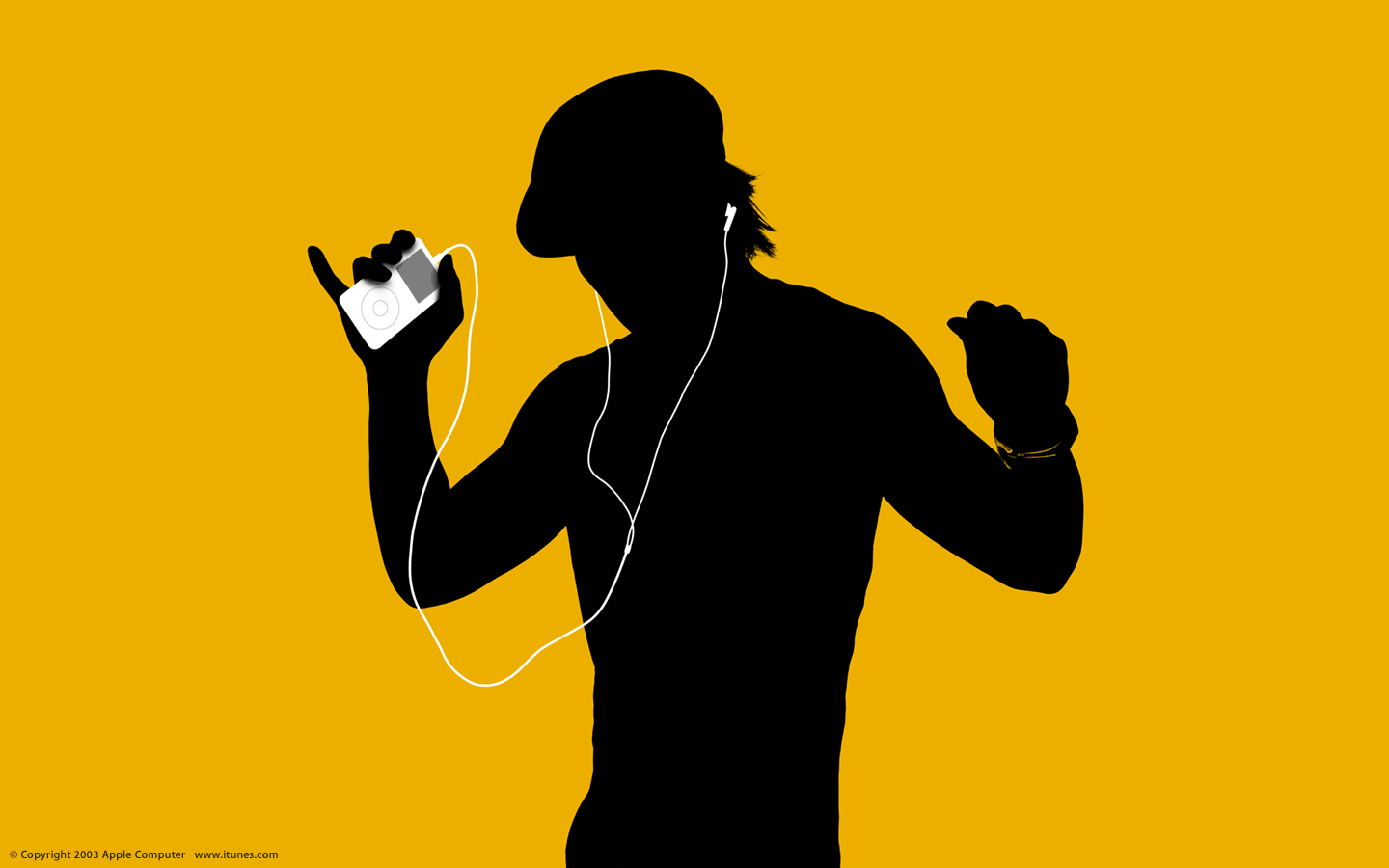
 May 5, 2003: Just a week after launching the iTunes Music Store, Apple reaches an incredible milestone with more than 1 million songs sold.
Particularly notable is the fact that more than half the songs purchased are albums. This quickly dispels fears that selling tracks individually will kill the record industry’s dominant format. In addition, more than half of the 200,000 songs initially available on iTunes get downloaded at least once.
“In less than one week we’ve broken every record and become the largest online music company in the world,” says Apple CEO Steve Jobs in a press release. “Apple has created the first complete solution for the digital music age — you can purchase your favorite music online at the iTunes Music Store, mix your favorite tracks into playlists with iTunes, and take your entire music collection with you everywhere with the super-slim new iPods.”
It’s a roaring success for Apple’s newest venture!
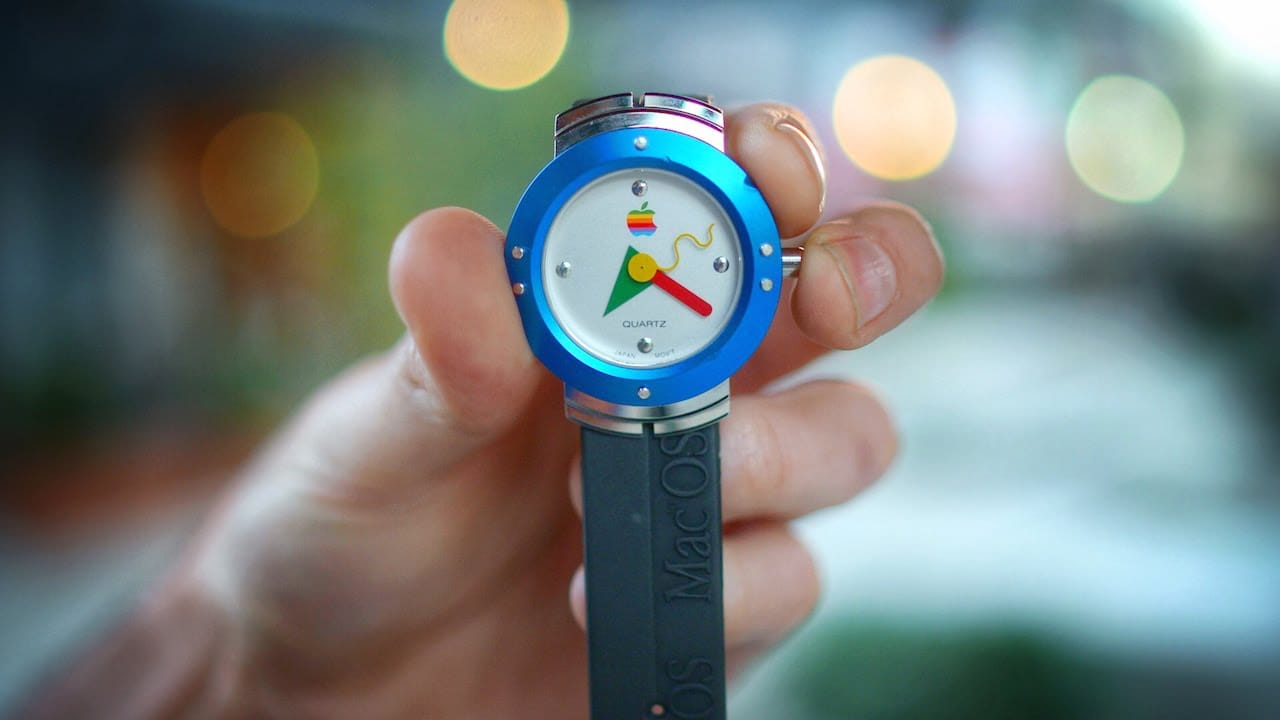
 May 2, 1995: Apple enters the wearables space with its first watch. However, the first Apple watch is a timepiece with no fitness-tracking tech, no on-screen notifications and a whole lot of 1990s styling.
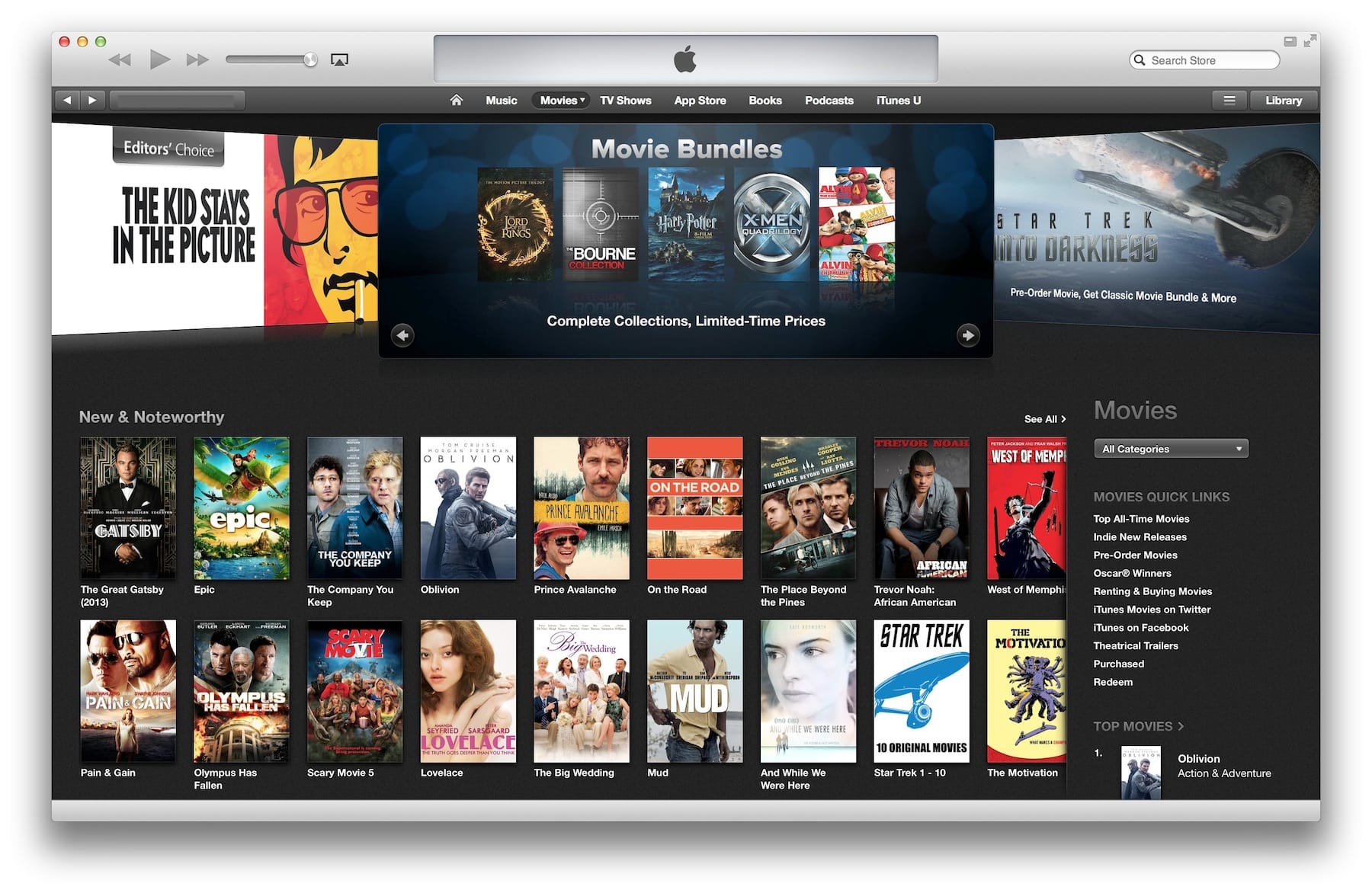
 May 1, 2008: The iTunes Store takes a gigantic step toward cinematic relevancy, selling new movies on the day of their DVD releases for the very first time.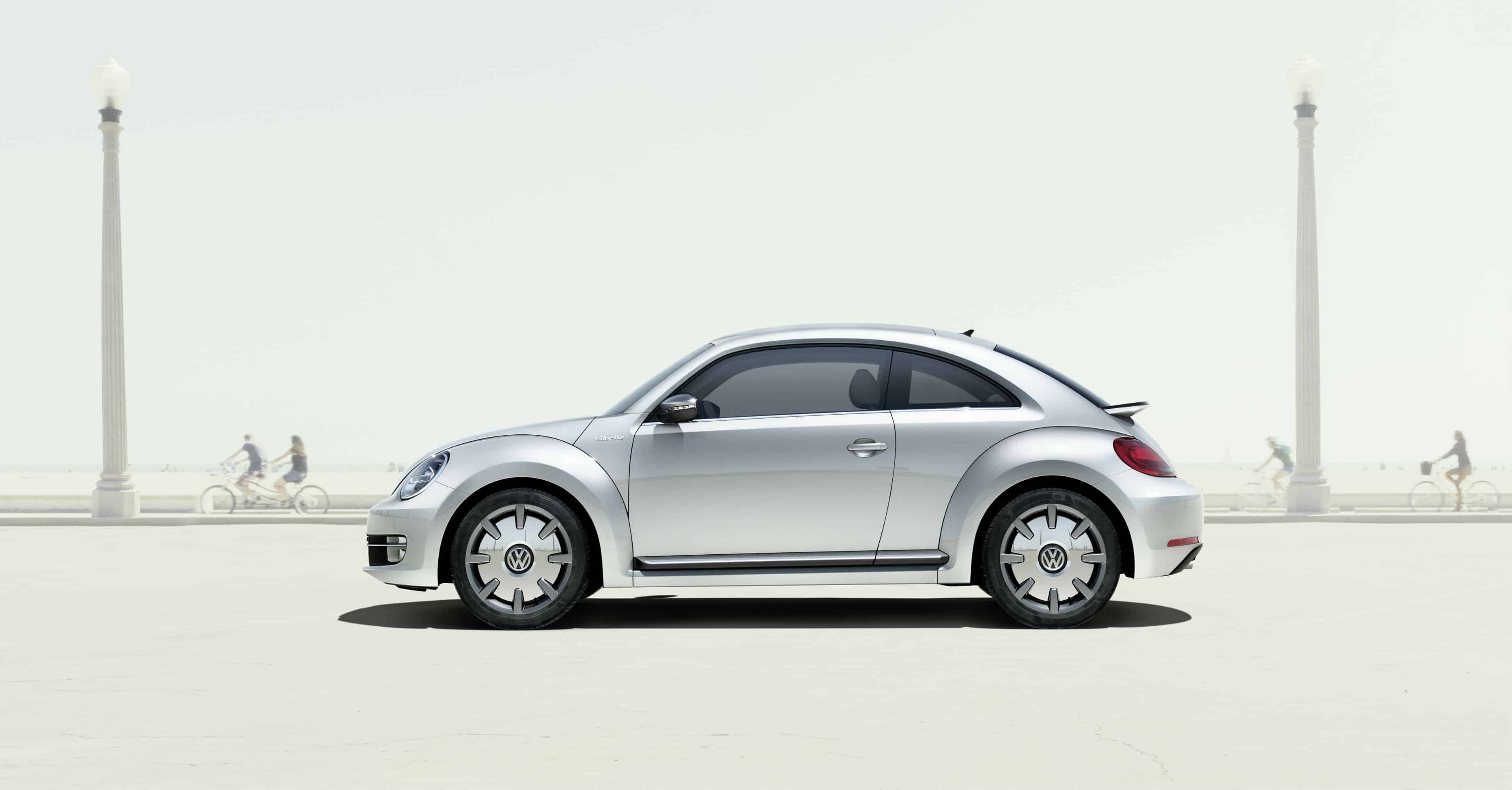
 April 22, 2013: The world gets its first Apple car. Well, kind of. In reality, the iBeetle is a collaboration with German automaker Volkswagen that offers a car “stylistically linked” to Apple.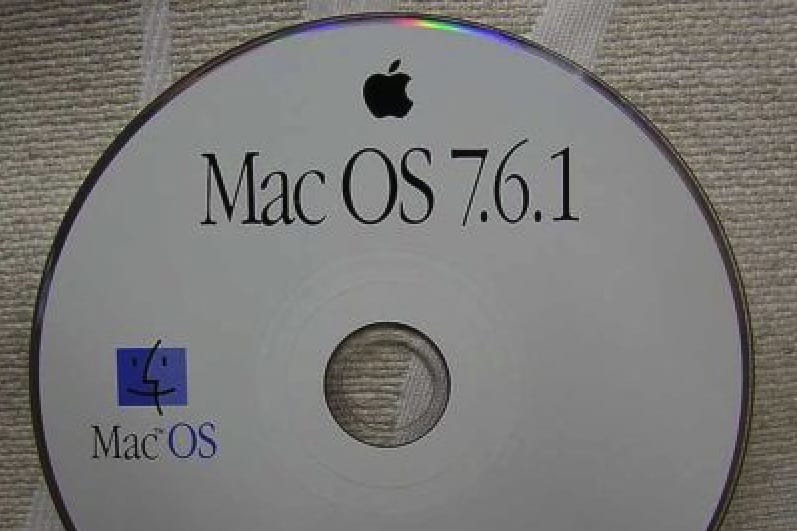
 April 7, 1997: Apple’s System 7 operating system receives its last update with the shipment of Mac OS 7.6.1.
 March 28, 1996: In a dire message to Wall Street, Apple warns that it will report a $700 million after-tax loss for its most recent quarter.
 March 15, 2004: The iTunes Music Store hits a musical milestone, having sold an astonishing 50 million songs in less than a year. The achievement cements Apple’s place at the center of the rapidly changing music business — at least for the moment.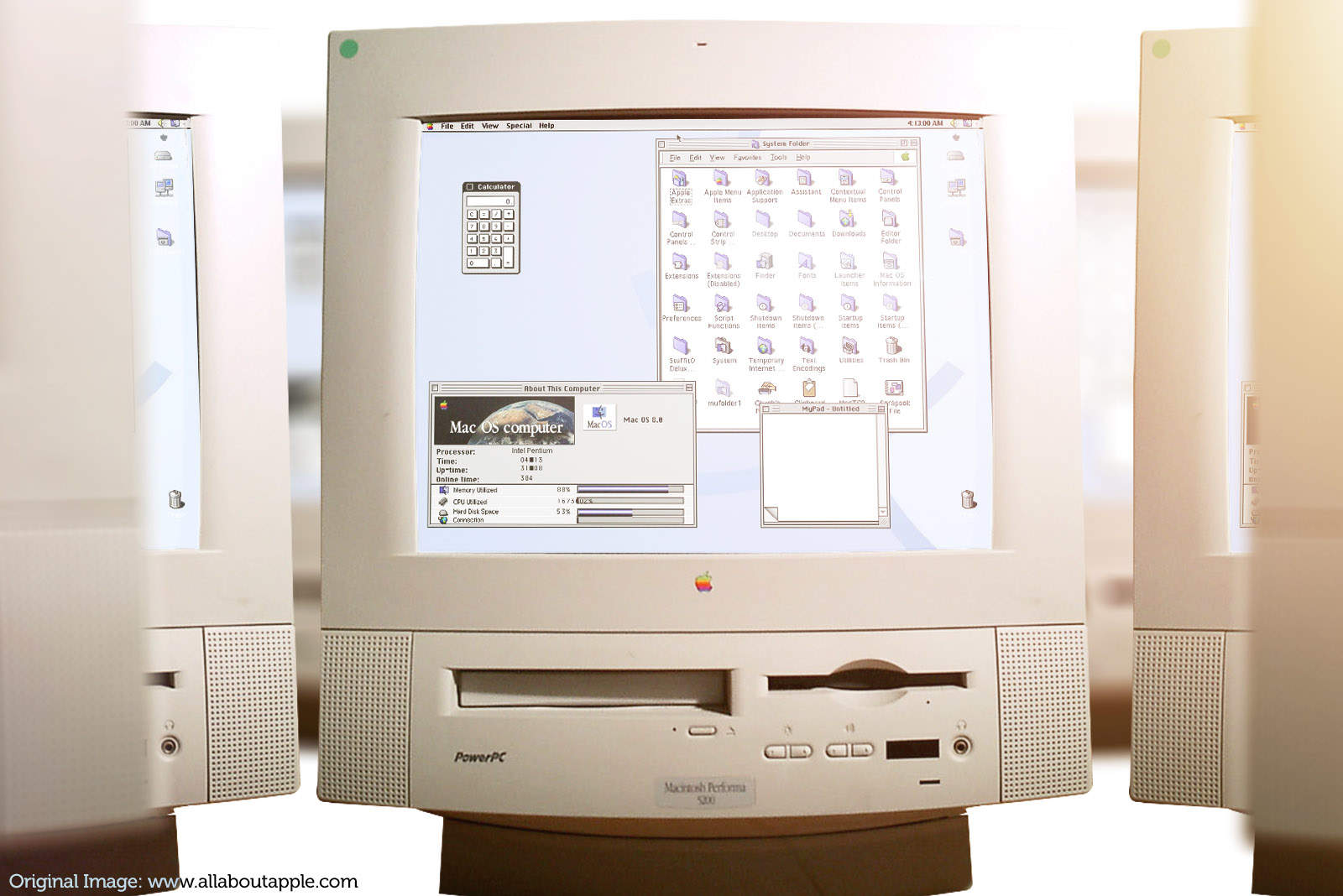
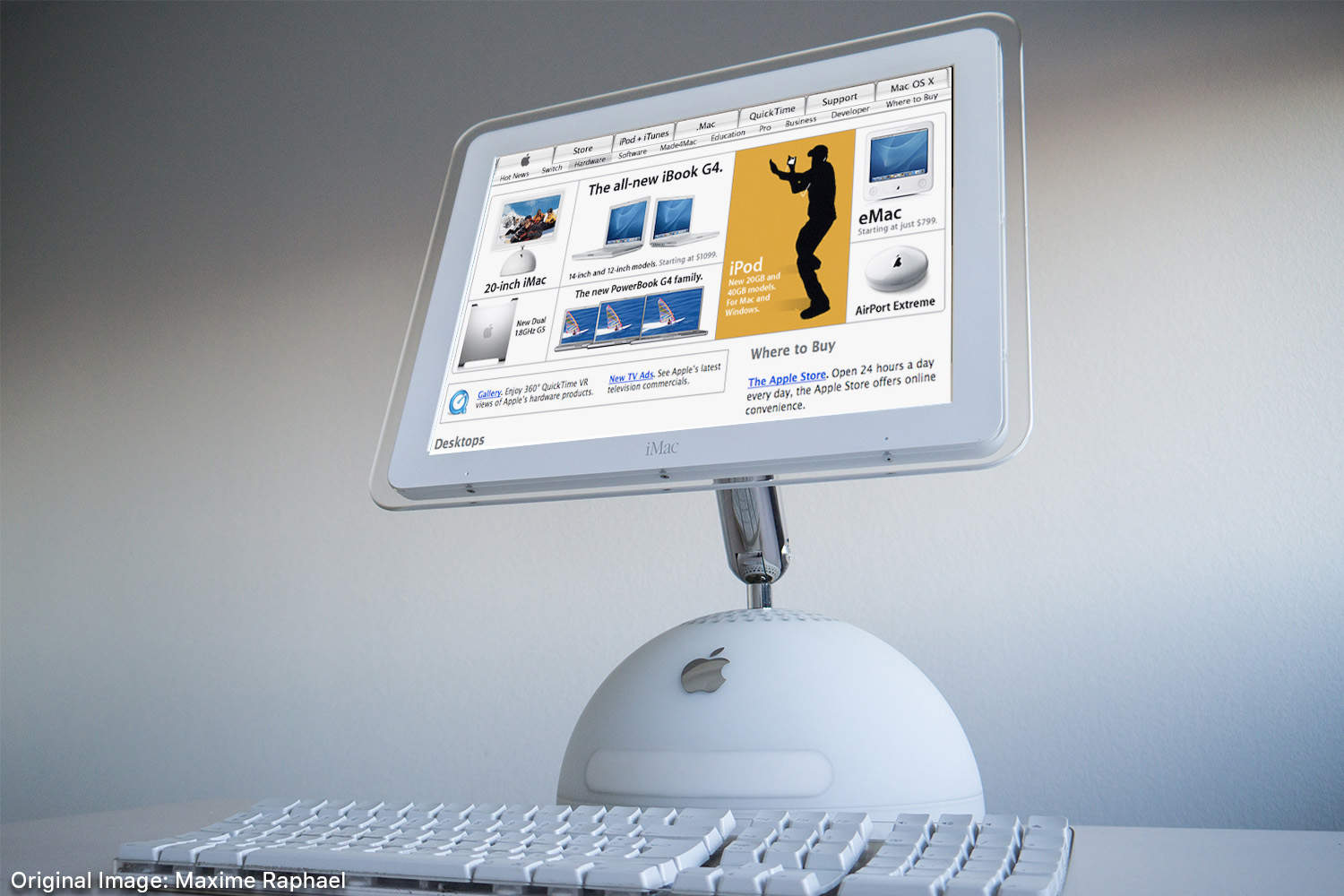
 March 8, 1997: Apple renames the forthcoming Mac OS 7.7 update, calling it “Mac OS 8.” It’s more than just a name change, though: It’s a sneaky sucker punch that ultimately knocks out Mac clones.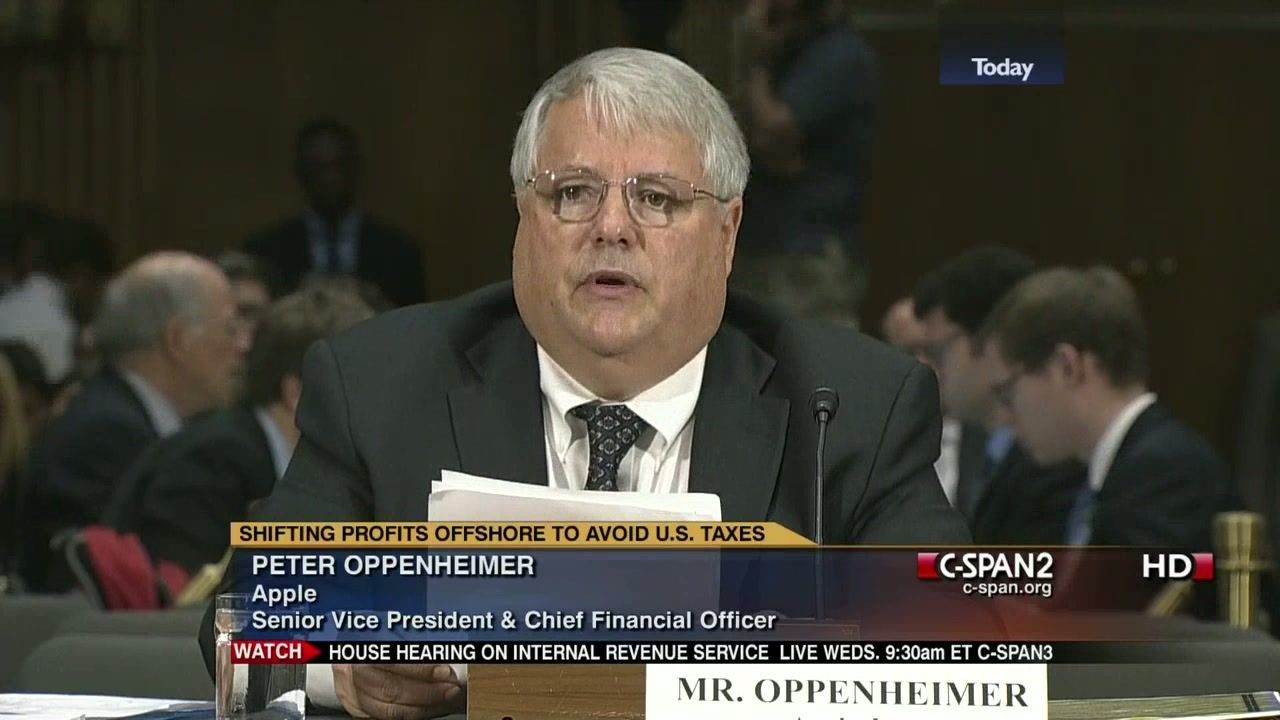
 March 4, 2014: Peter Oppenheimer, the Apple chief financial officer who presided over a decade of skyrocketing growth, steps down from the company.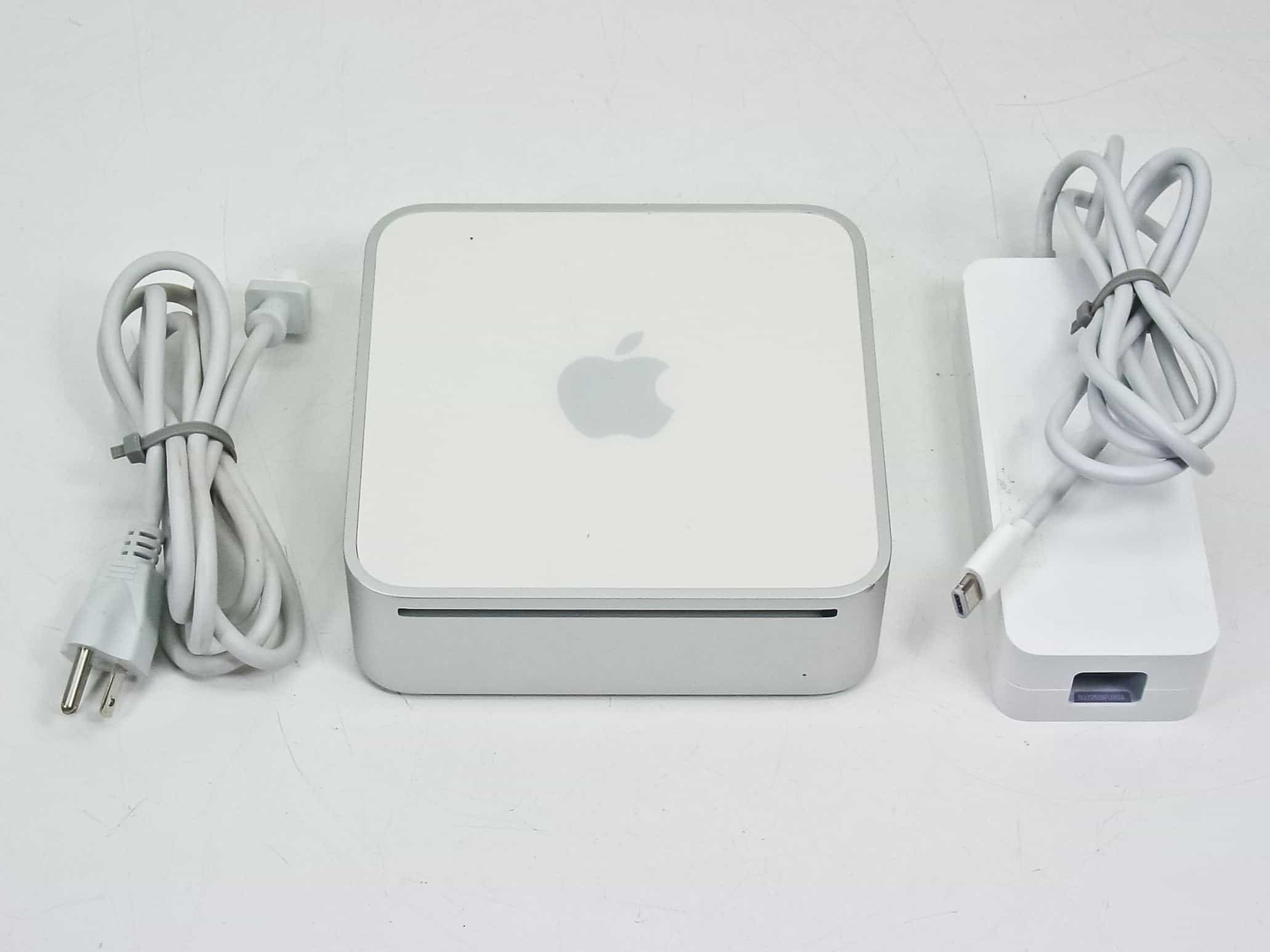
 February 28, 2006: Apple introduces an upgraded Mac mini, an affordable computer powered by an Intel processor.
 February 26, 2008: Less than five years after launching, the iTunes Music Store becomes the No. 2 music retailer in the United States, second only to Walmart.
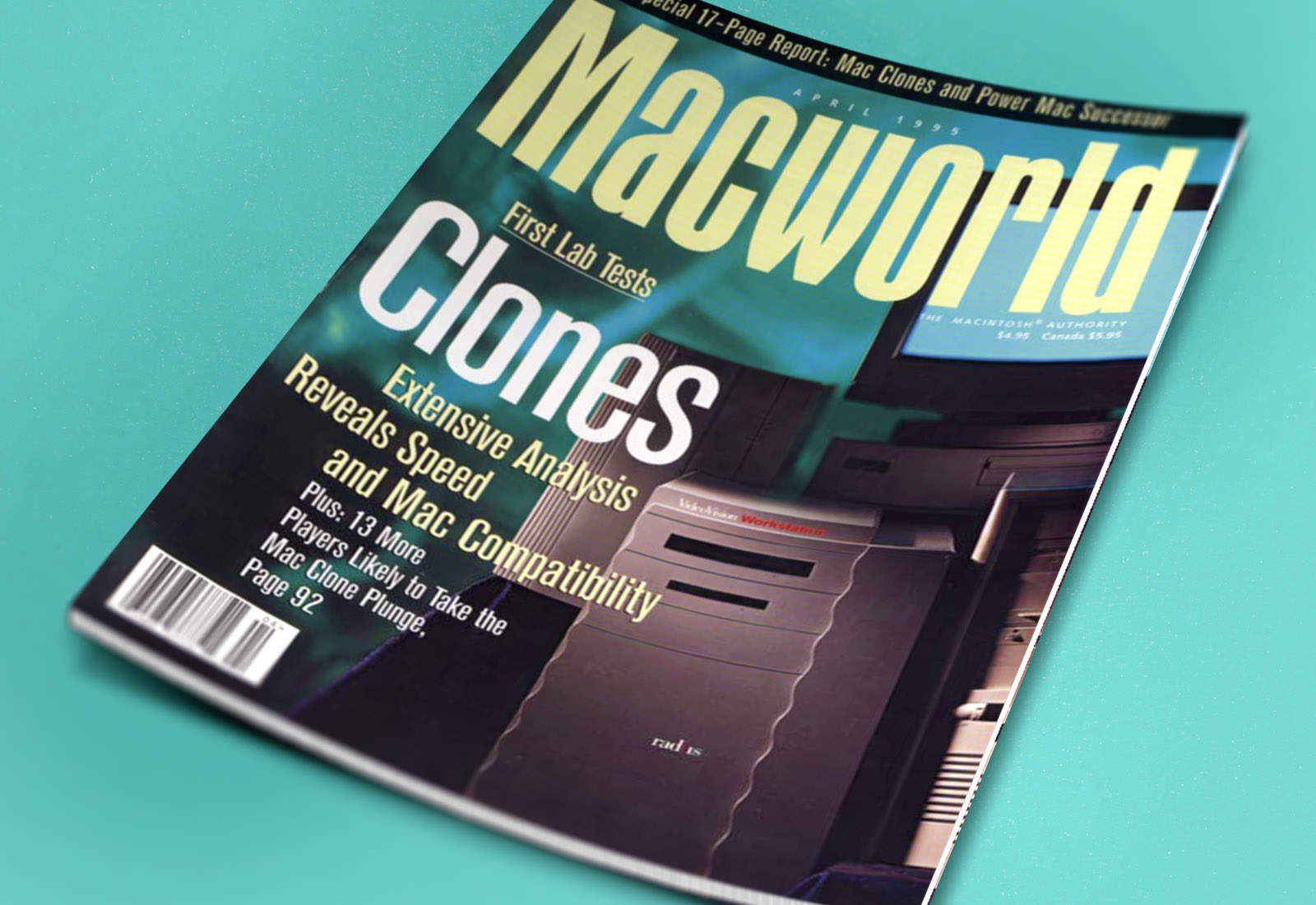
 January 4, 1995: Apple signs a deal with third-party Mac accessory-maker Radius, allowing the company to build Macintosh clones that run on Mac OS.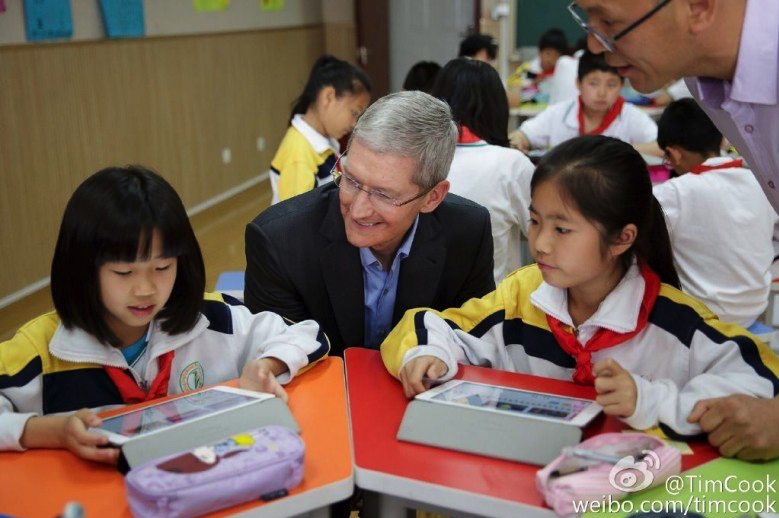
 December 22, 2013: After months of false starts, Apple finally secures a deal with China Mobile to bring the iPhone to the world’s largest telecom company.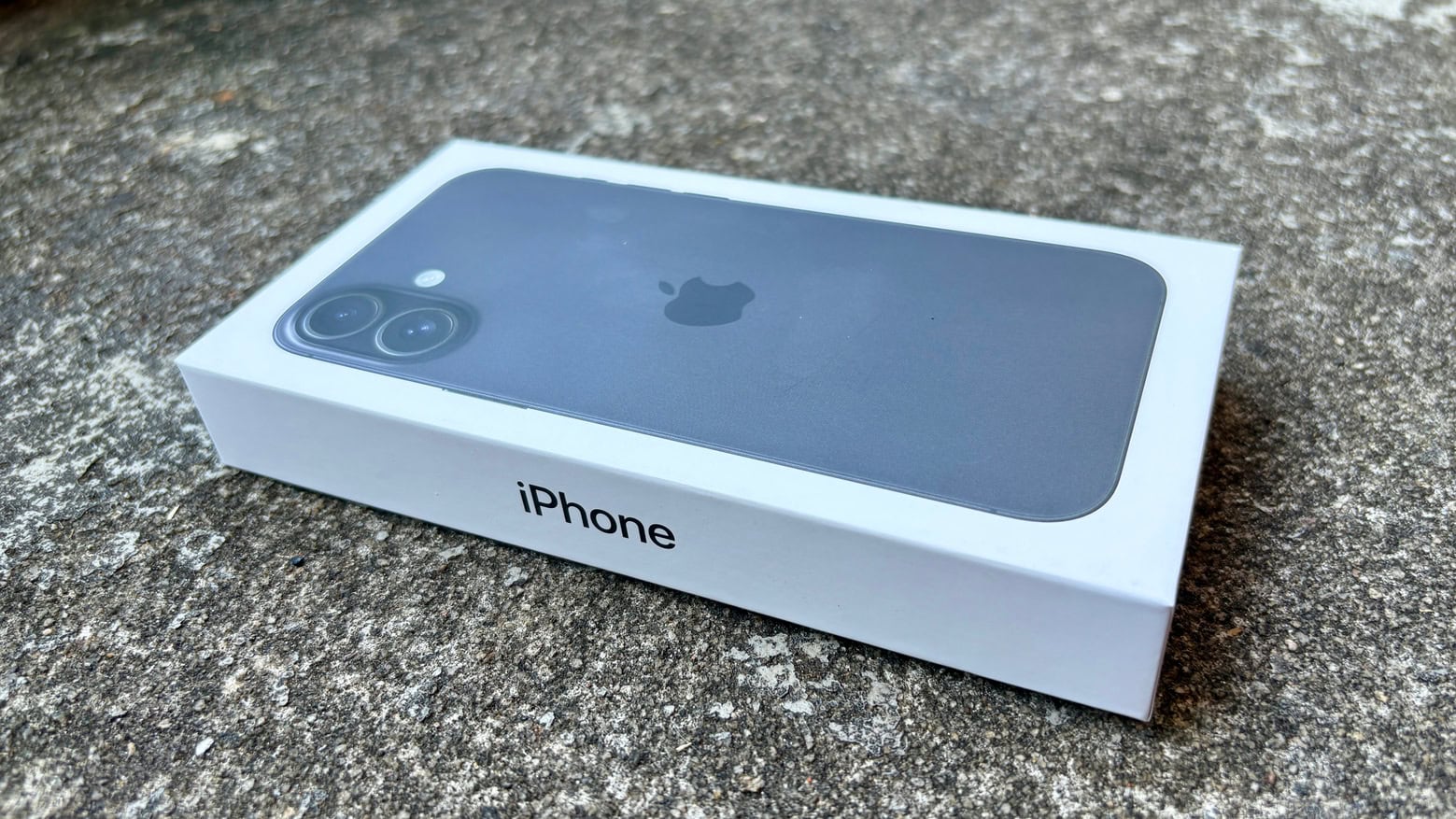
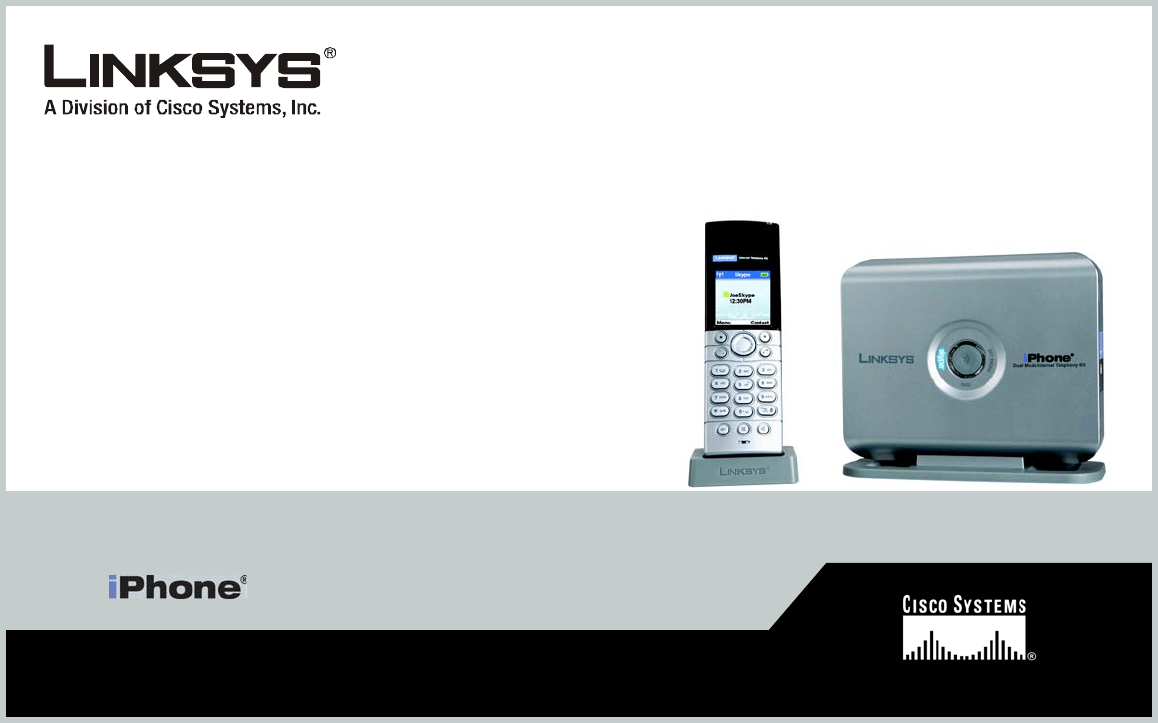
 December 18, 2006: Apple fans mourn the death of the iPhone before it even launches. Linksys begins selling a new handset called “iPhone,” Cupertino watchers must come to grips with the fact that Apple’s rumored smartphone probably won’t bear that name after all. How did this happen? Linksys’ parent company, Cisco Systems, owns the iPhone trademark.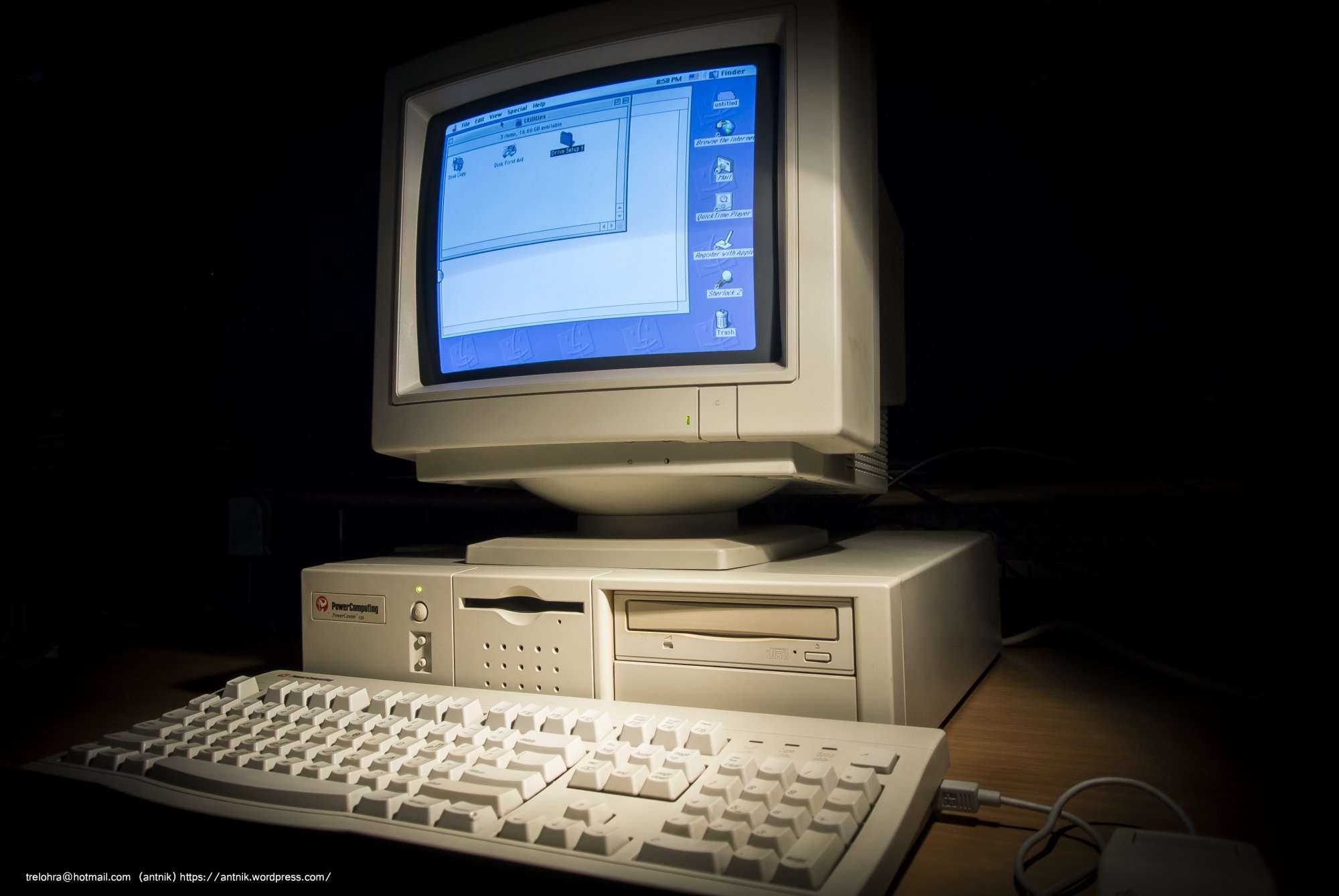
 December 16, 1994: Apple Computer inks a licensing deal with Power Computing, allowing the company to produce Macintosh-compatible computers, aka “Mac clones.”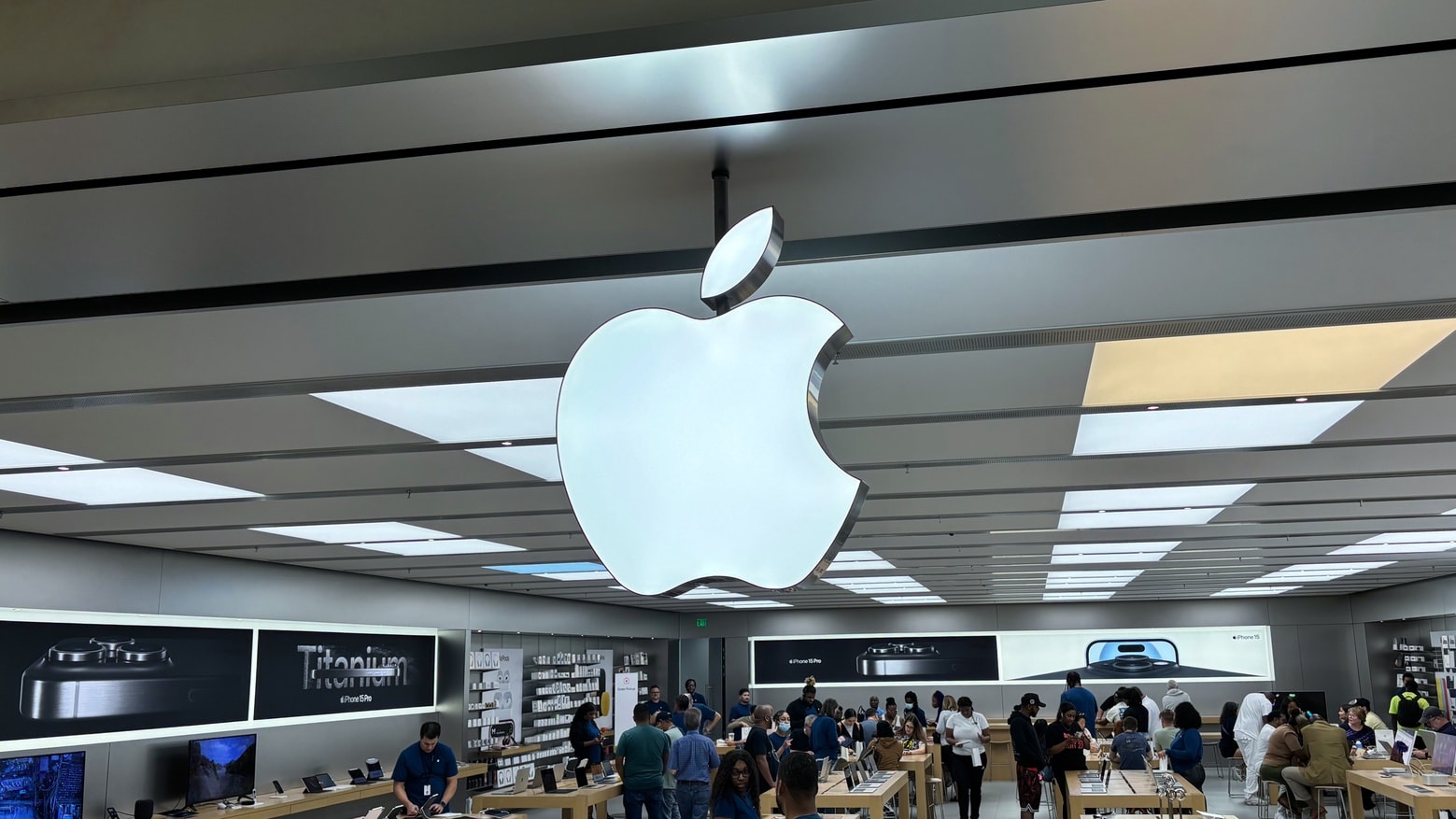
 December 5, 2002: Cupertino says it served its millionth unique customer in the Apple Store online, marking a significant milestone for the company. It is a benchmark worth celebrating for Apple, which launched its online store just five years earlier.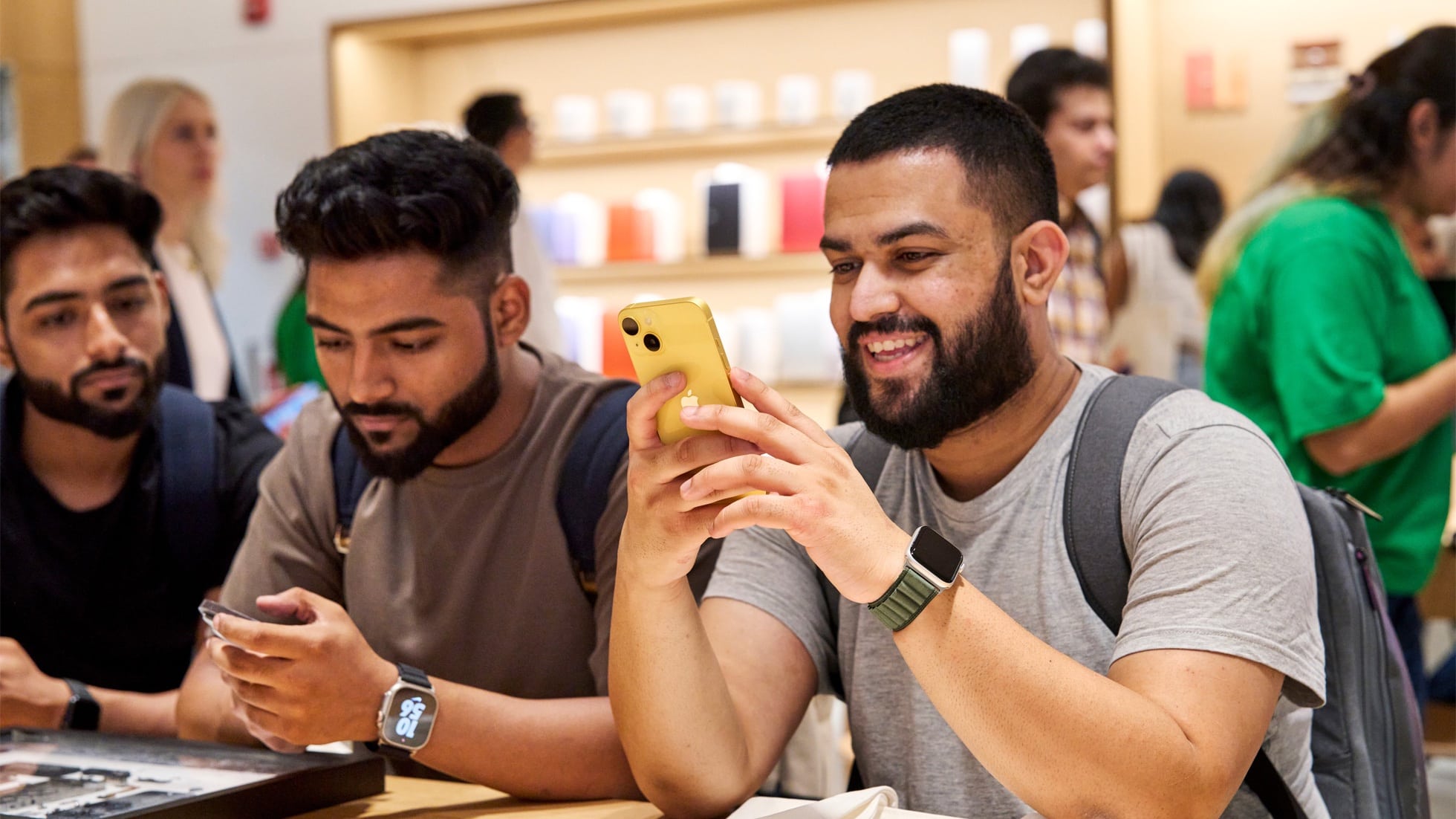
 November 22, 2005: Two-and-a-half years
 November 20, 2007: In a milestone for iTunes movie distribution, Purple Violets becomes the first feature film to launch exclusively on Apple’s platform.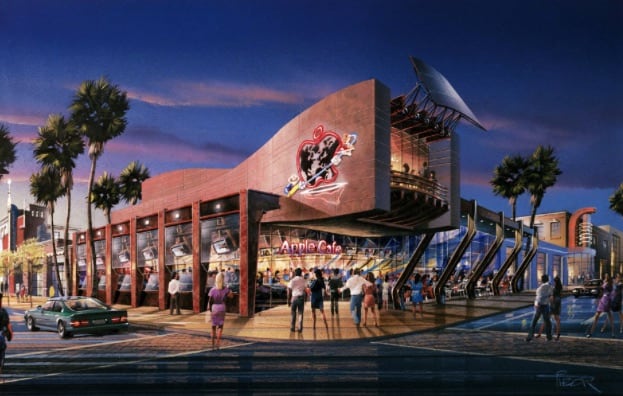
 November 12, 1996: Apple lays out a wild plan to get into the restaurant business, saying it will open a chain of Apple Cafes with a touchscreen point-of-sale system. A bit like the company’s future retail stores — but without the computers and iPhones for sale — the Apple restaurants would open in cities around the world.