
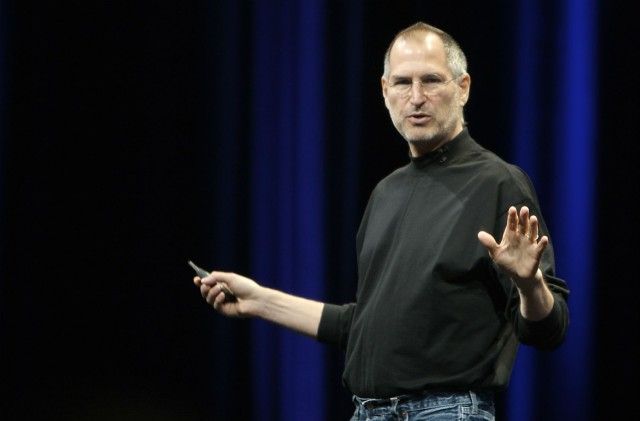
 August 24, 2011: With his health worsening, a cancer-stricken Steve Jobs resigns from his role leading Apple. Tim Cook assumes the role of Apple’s seventh CEO.
“I have always said if there ever came a day when I could no longer meet my duties and expectations as Apple’s CEO, I would be the first to let you know,” Jobs writes in his retirement letter to the Apple board. “Unfortunately that day has come.”
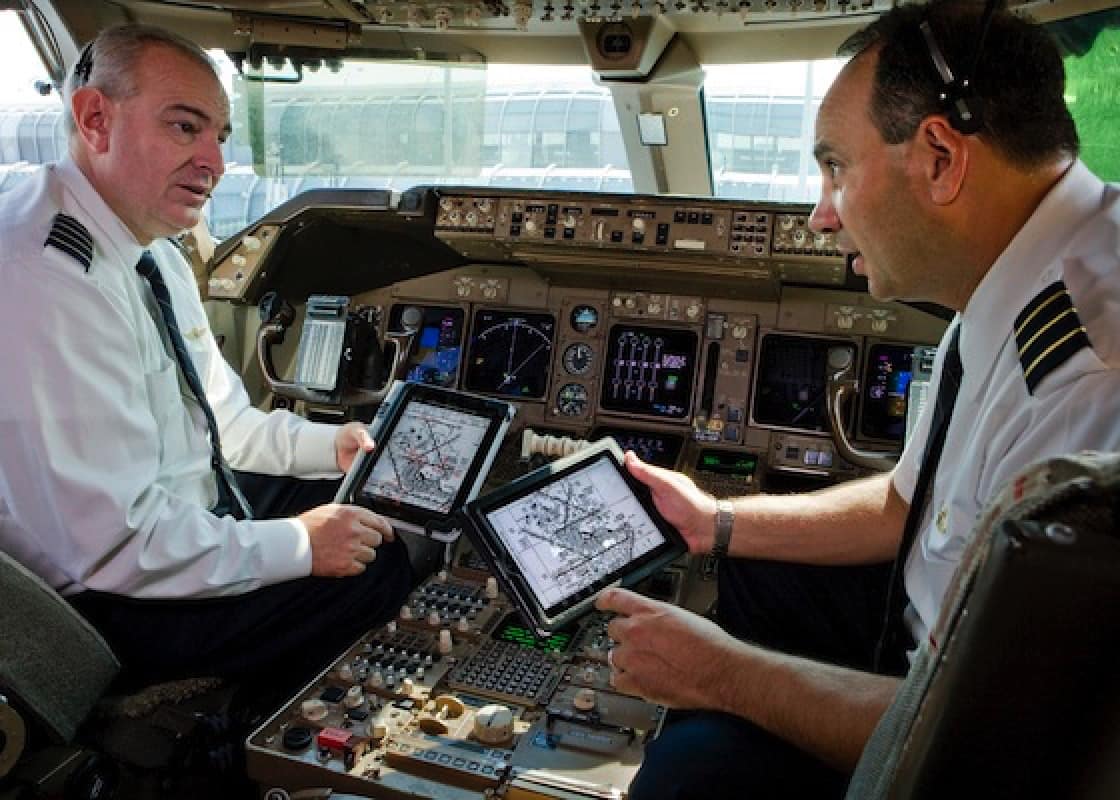
 August 23, 2011: United Airlines says it will hand out 11,000 iPads to its pilots as part of its “paperless flight deck” filled with essential data. It’s the largest rollout yet of Apple tablets as a replacement for the weighty flight bags previously carried by aircrews.
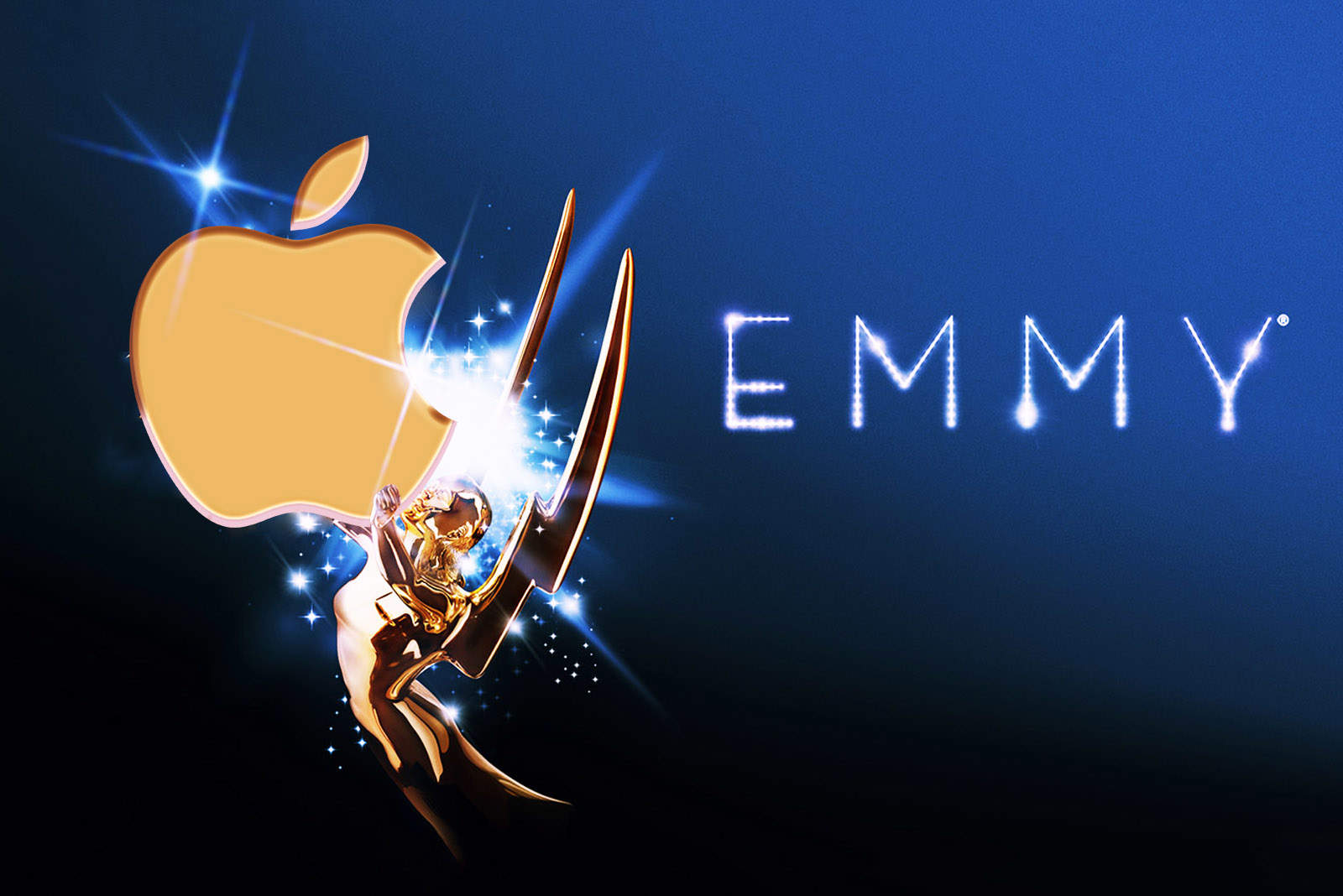
 August 22, 2001: Apple takes home a technical Emmy Award for developing FireWire, the high-speed serial port that allows users to transfer data quickly between a Macintosh and another device, such as a digital camera.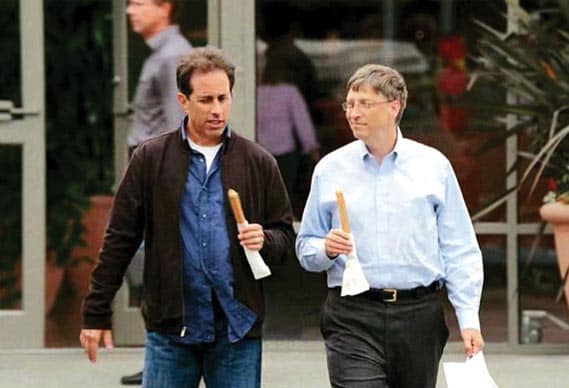
 August 21, 2008: Microsoft recruits comedian Jerry Seinfeld for a series of ads. It’s a naked attempt to shake the company’s reputation as a stodgy oldster (as opposed to Apple’s trendsetting hipster image).
 August 19, 2004: Google floats its initial public offering on the stock market. The Google IPO cements the company’s status as a tech giant, as founders Larry Page and Sergey Brin turn into instant billionaires.
 August 18, 2007: A video goes viral on YouTube when 23-year-old internet personality Justine Ezarik, aka iJustine, posts a 300-page iPhone bill mailed to her in a box by AT&T.
 August 17, 2012: Apple CEO Steve Jobs’ stolen iPad winds up in the hands of a clown called Kenny, who performs kids’ shows in the San Francisco Bay Area.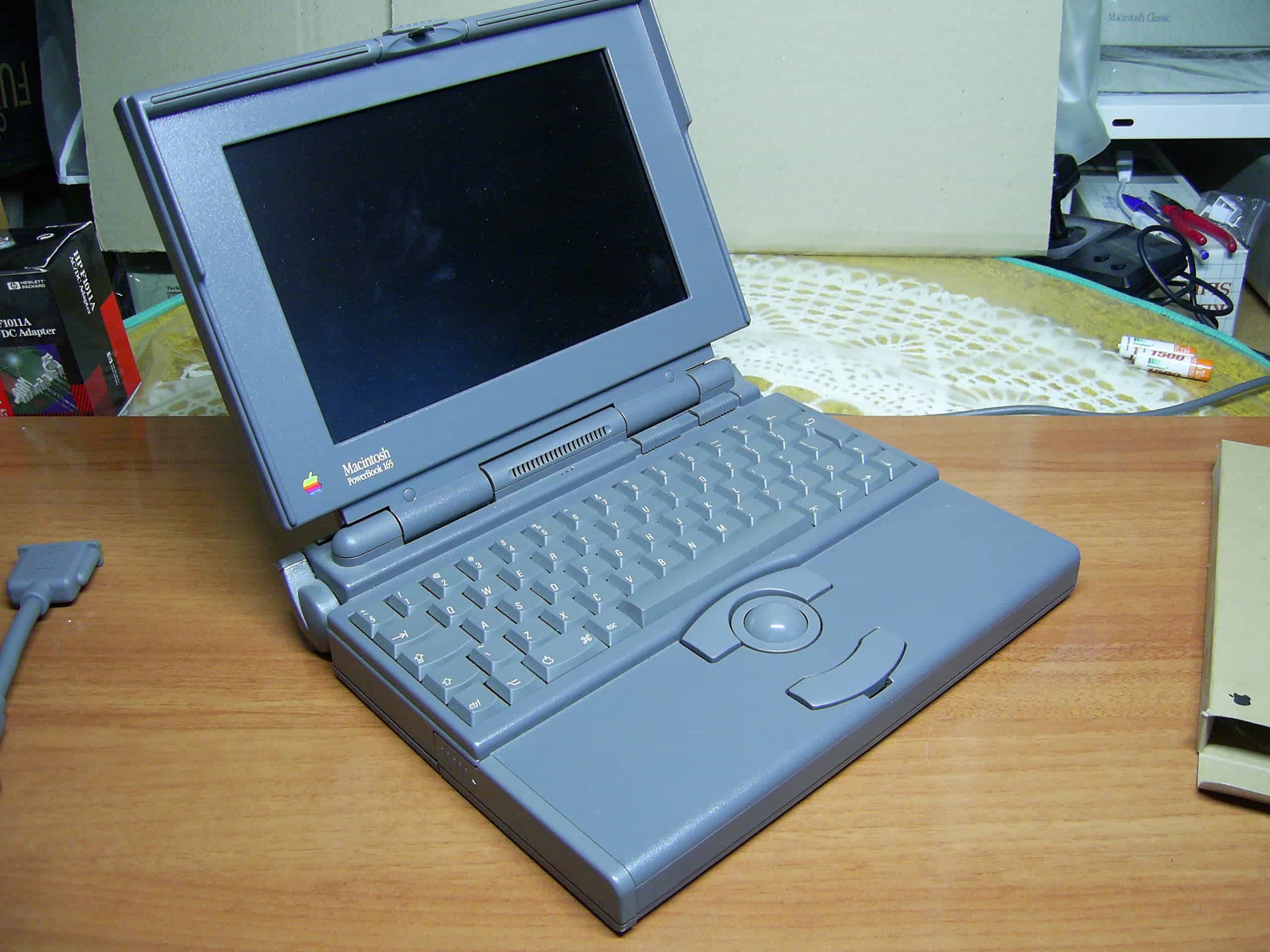
 August 16, 1993: Apple ships the PowerBook 165, a lower-cost, grayscale version of the PowerBook 165c, which was the company’s first laptop to offer a color display.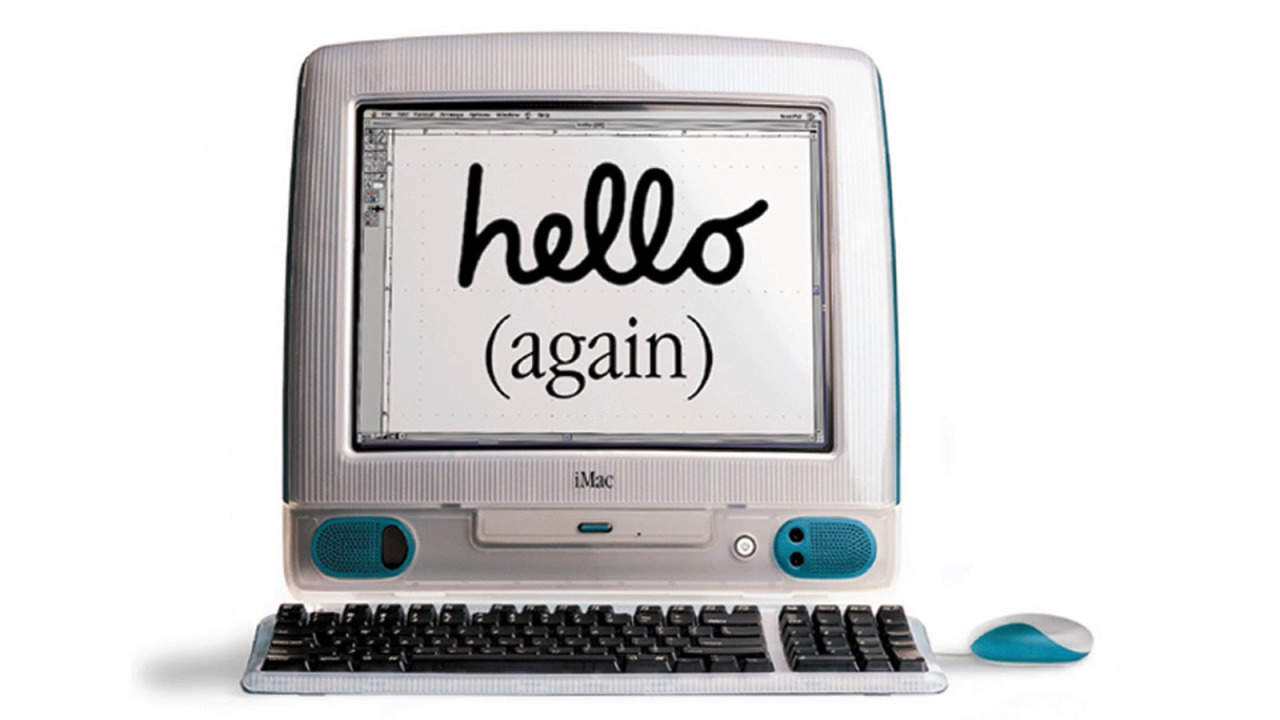
 August 15, 1998: The original iMac — Apple’s brightly colored, translucent Macintosh relaunch — goes on sale to a rabid audience. Apple co-founder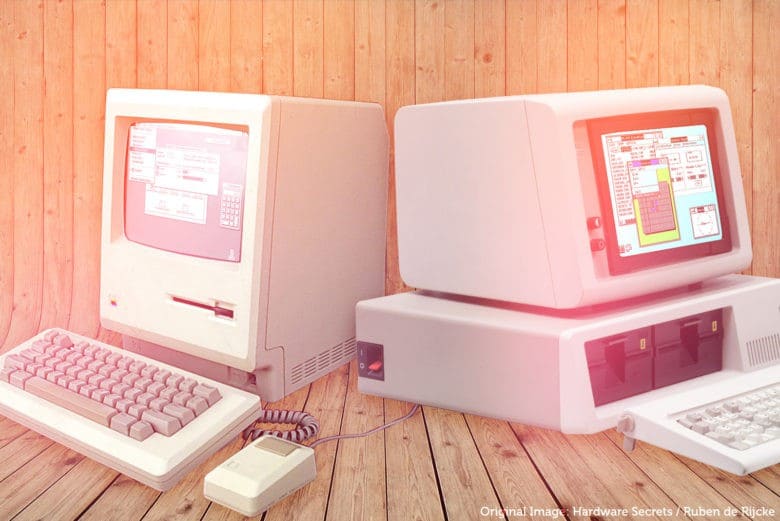
 August 14, 1991: As Apple and Microsoft head to court to battle each other, the tide begins to turn against Cupertino and its claims that Windows unlawfully copies the look and feel of Mac OS. A judge’s ruling calls into question the basic tenet of Apple’s copyright lawsuit against Microsoft over Windows 2.03.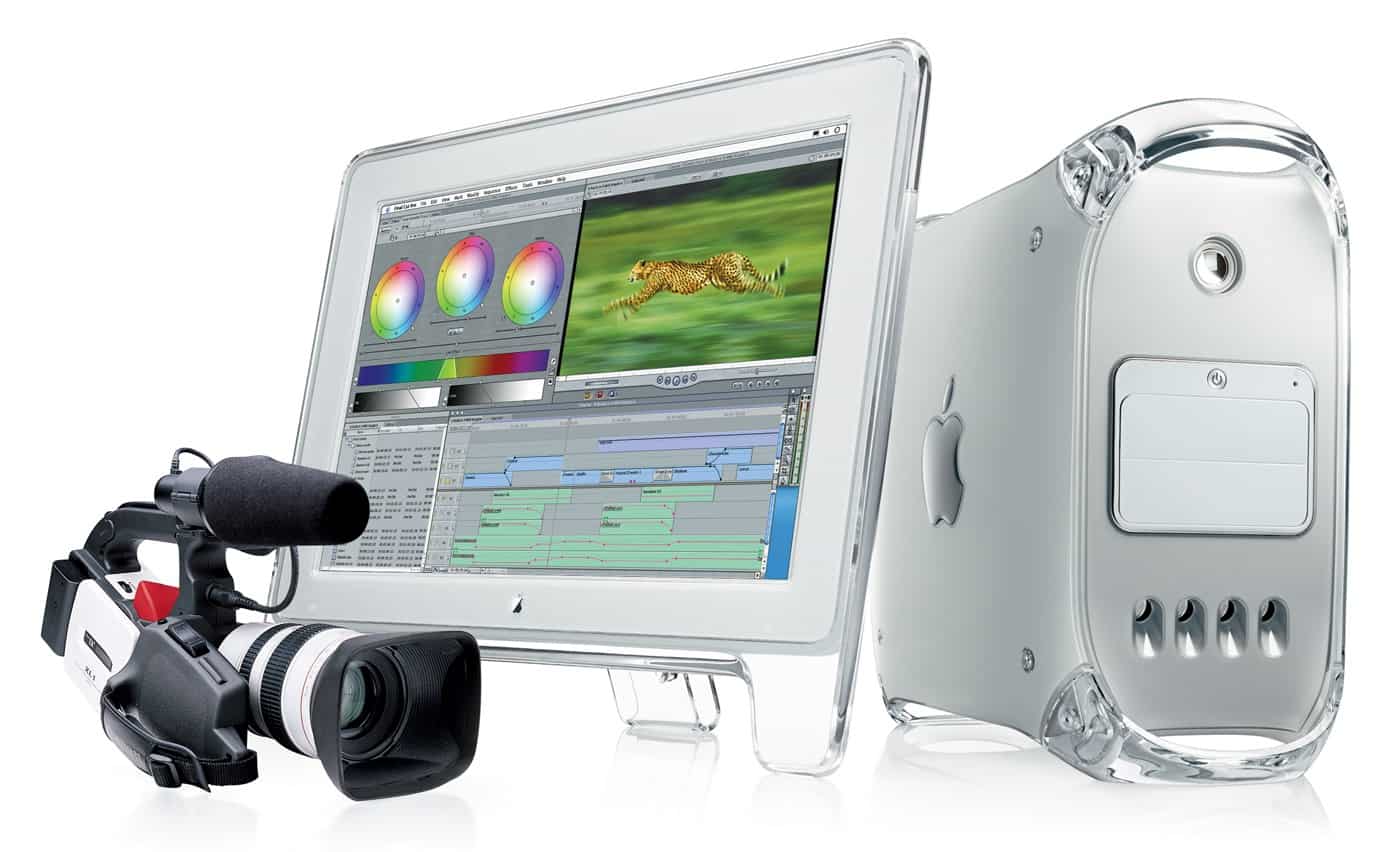
 August 13, 2002: Apple unveils the final face-lift for its Power Mac G4, the Mirrored Drive Doors model.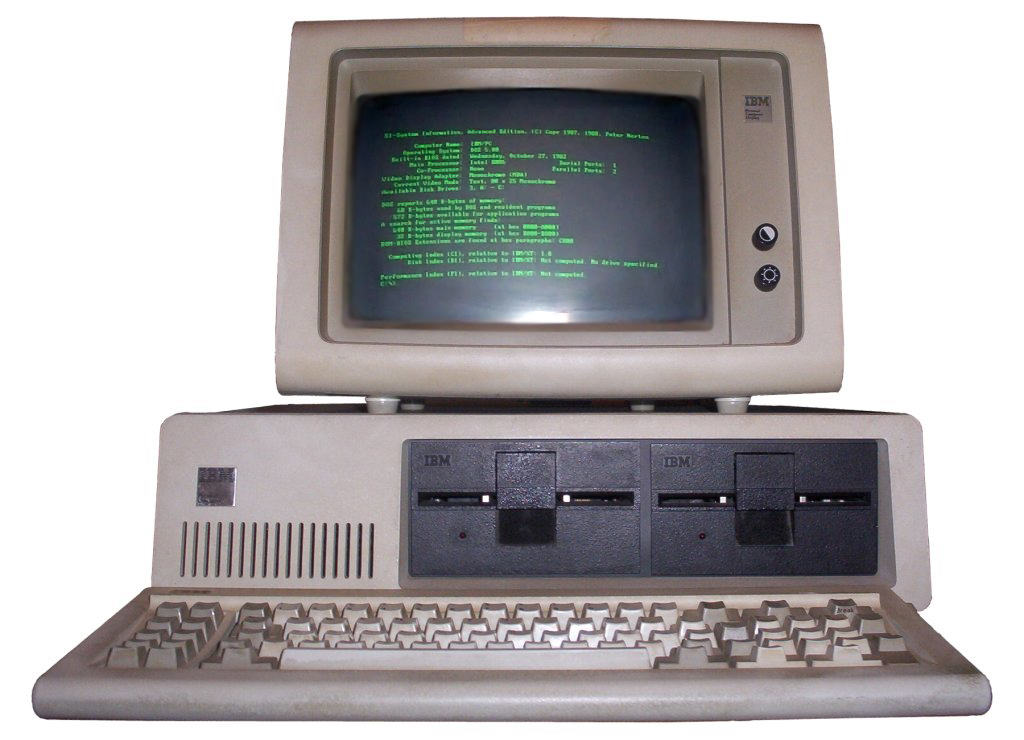
 August 12, 1981: The launch of the IBM Personal Computer ignites a long-running Apple-versus-PC rivalry.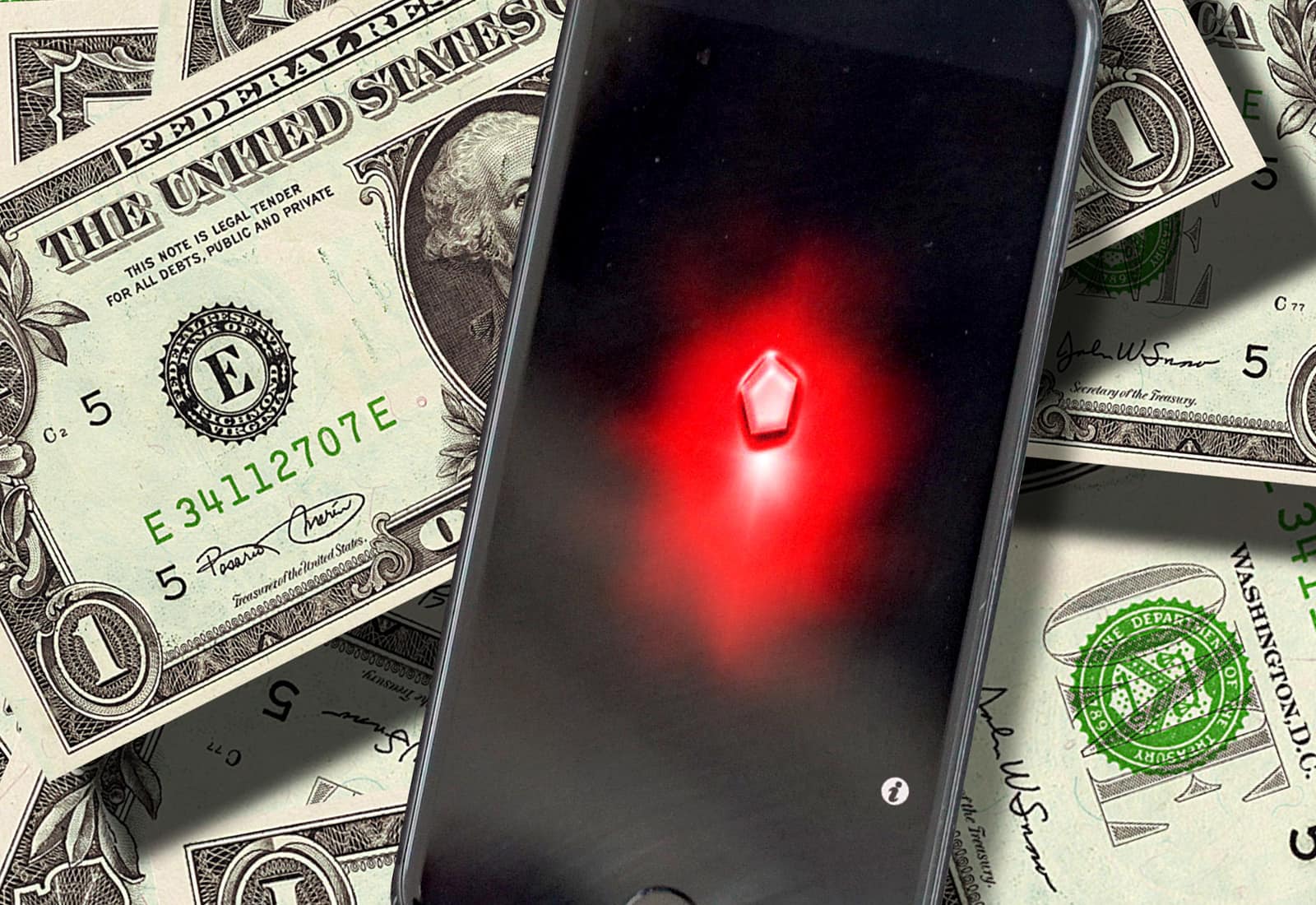
 August 10, 2008: The developer of I Am Rich, a pointless iPhone app that sold for a whopping $999.99, defends his notorious creation as “art.”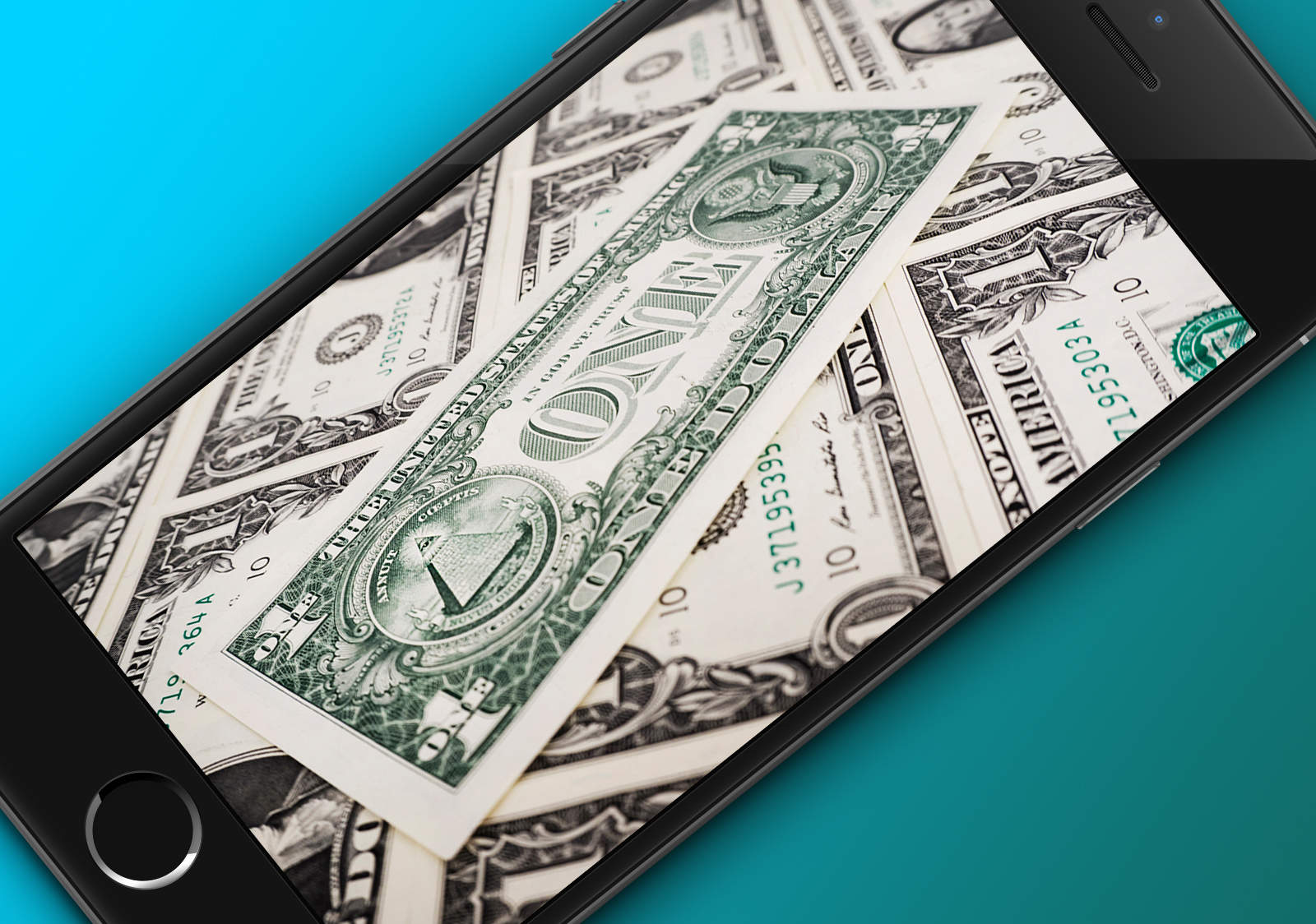
 August 9, 2011: Apple overtakes oil giant ExxonMobil to become the world’s most valuable publicly traded company.
 August 8, 1997: At Macworld Expo, Apple co-founder Steve Jobs introduces the world to the company’s new slogan, “Think different.” The catchy marketing reassures fans that Apple is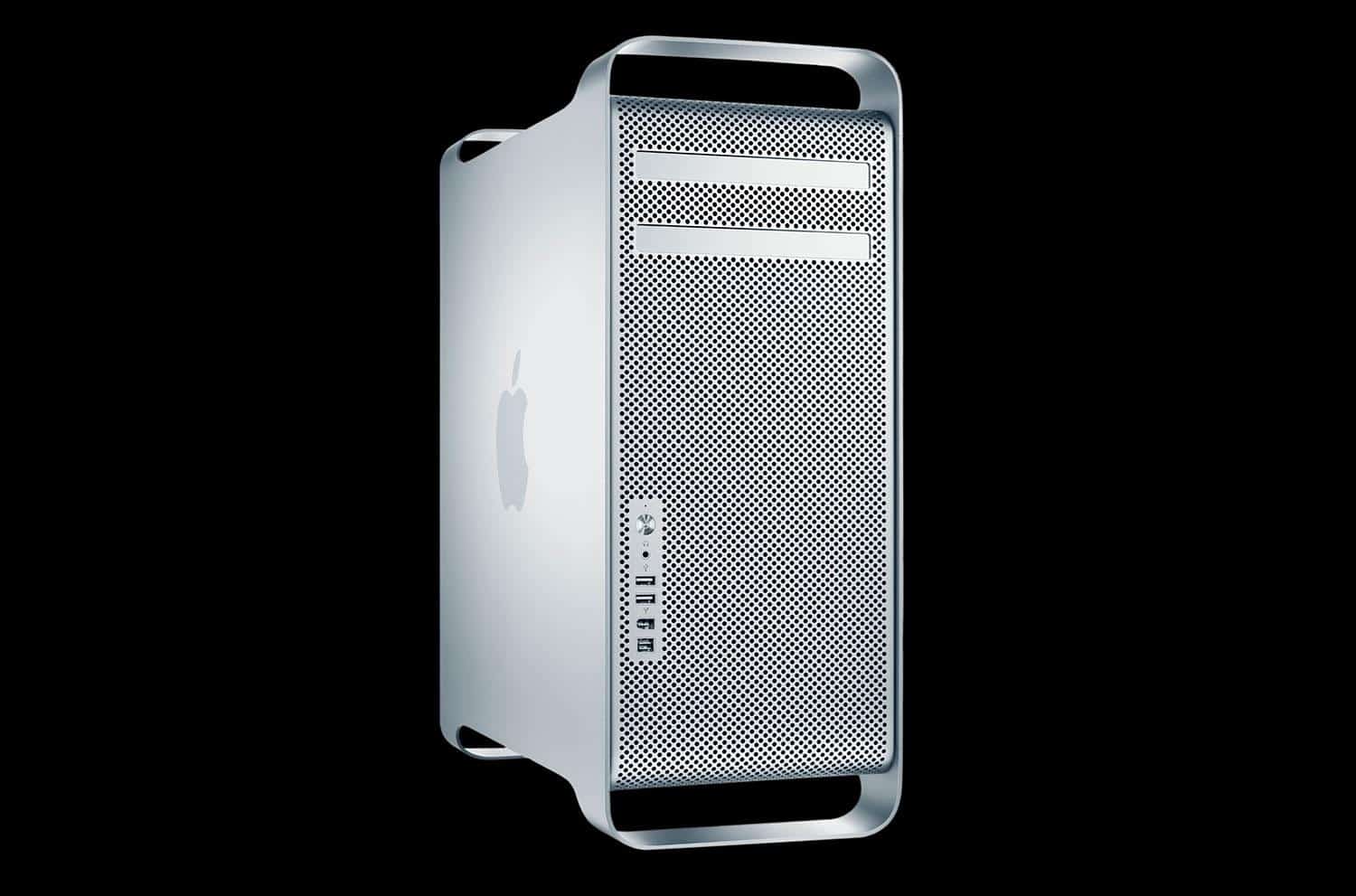
 August 7, 2006: Apple unleashes the first Mac Pro, a high-end desktop computer that completes the company’s transition from PowerPC to Intel processors.
 August 6, 1997: In one of the most famous moments in Apple history, Steve Jobs reveals a $150 million Microsoft investment that saved his company from ruin.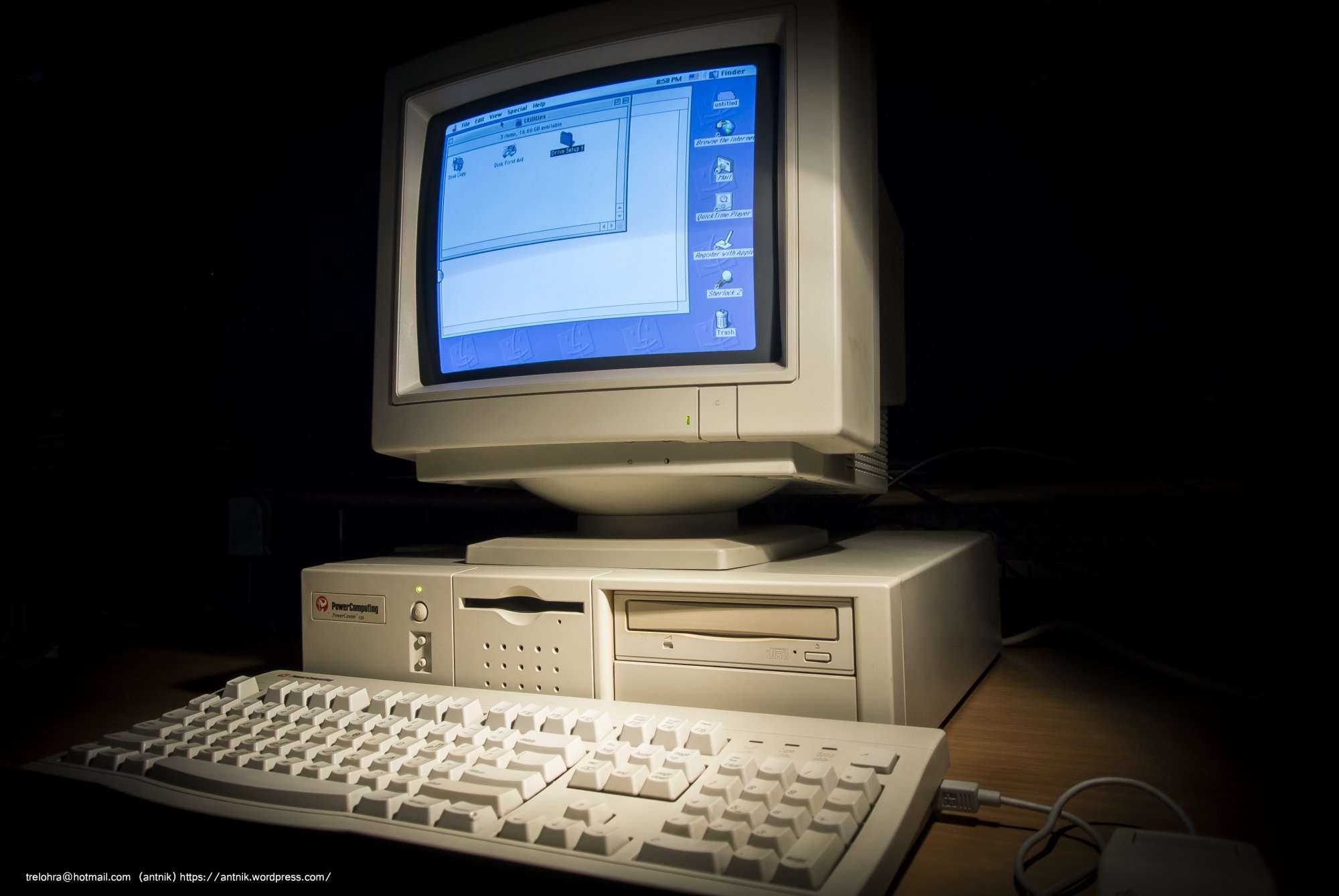
 August 5, 1997: Apple gets into a standoff with Power Computing, a maker of Macintosh clones. A very public clash at the Macworld Expo in Boston marks the beginning of the end for Apple’s mid-1990s strategy of licensing the Mac operating system.
 August 4, 2008: In an internal memo, Apple CEO
 August 3, 2009: Google CEO Eric Schmidt resigns from Apple’s board of directors amidst increasing competition between the two companies.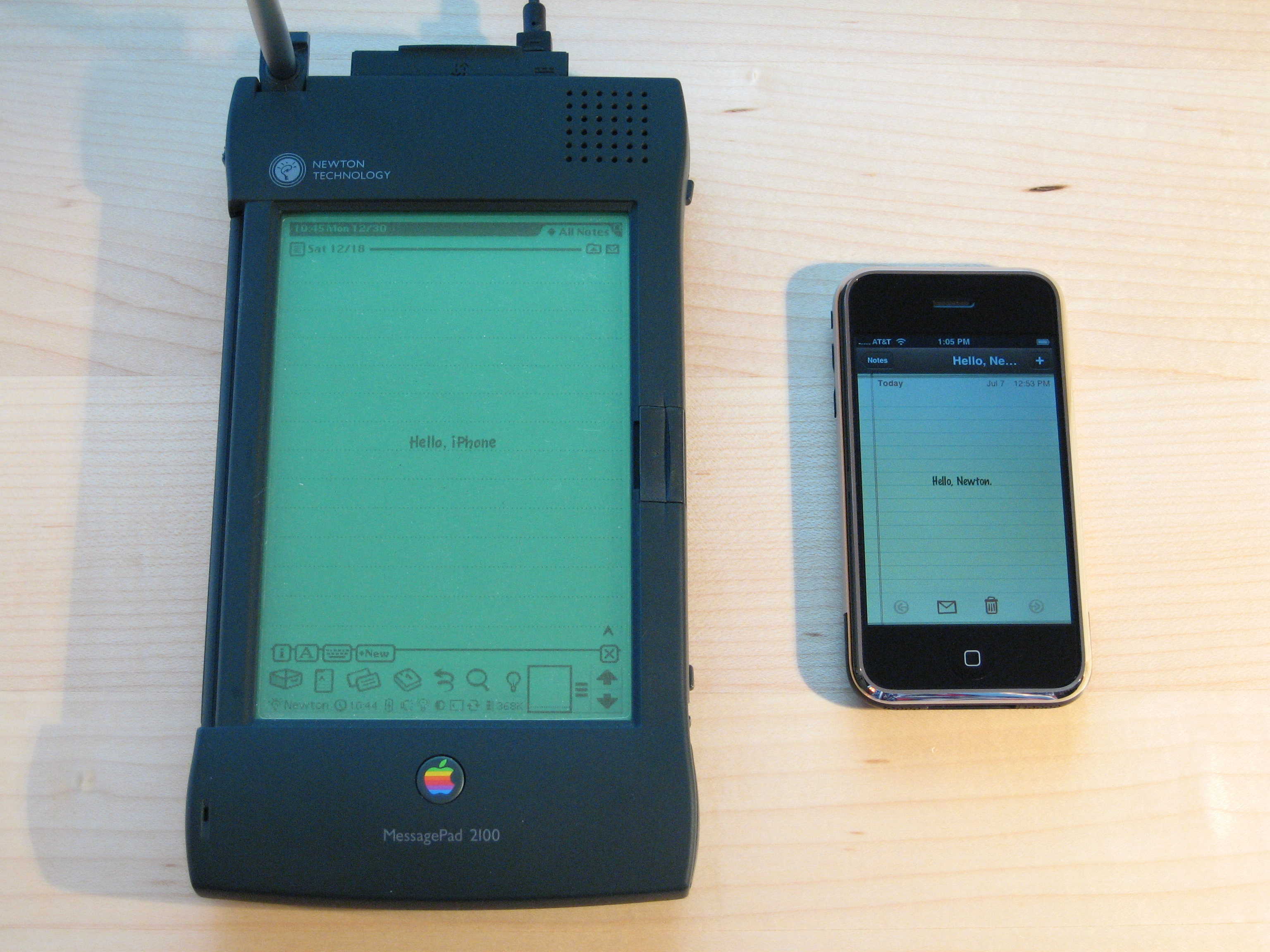
 August 2, 1993: Apple launches the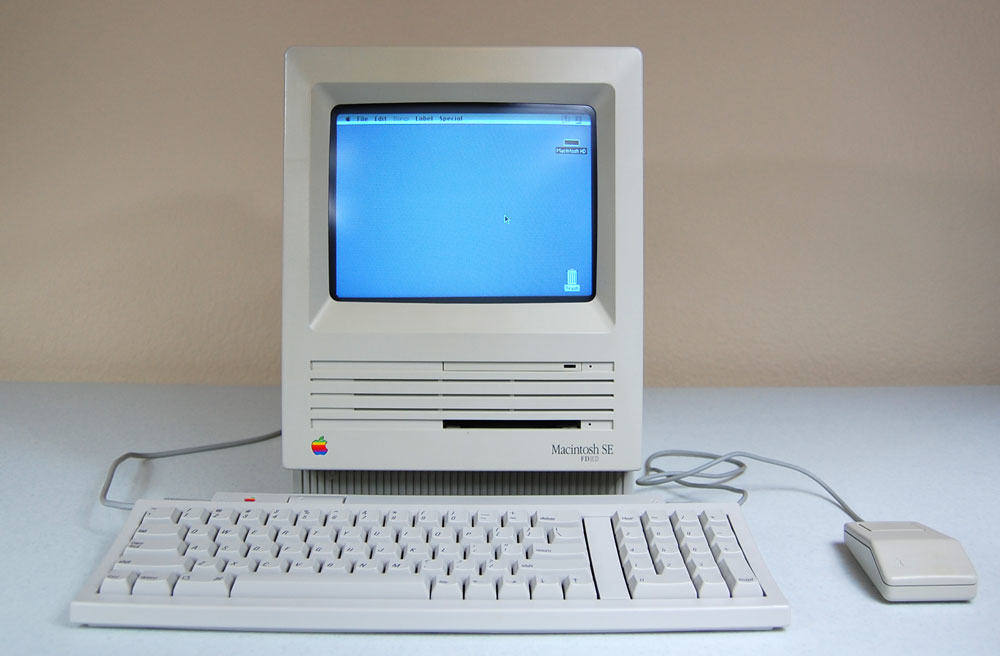
 August 1, 1989: Apple gives the Macintosh SE a storage bump, courtesy of the new SuperDrive in the new Mac SE FDHD. The high-density floppy disks the SuperDrive uses offer an astonishing 1.4MB of storage.
 July 31, 2012: The Daily, the world’s first iPad-only newspaper, lays off almost a third of its staff, signaling the demise of a bold publishing experiment.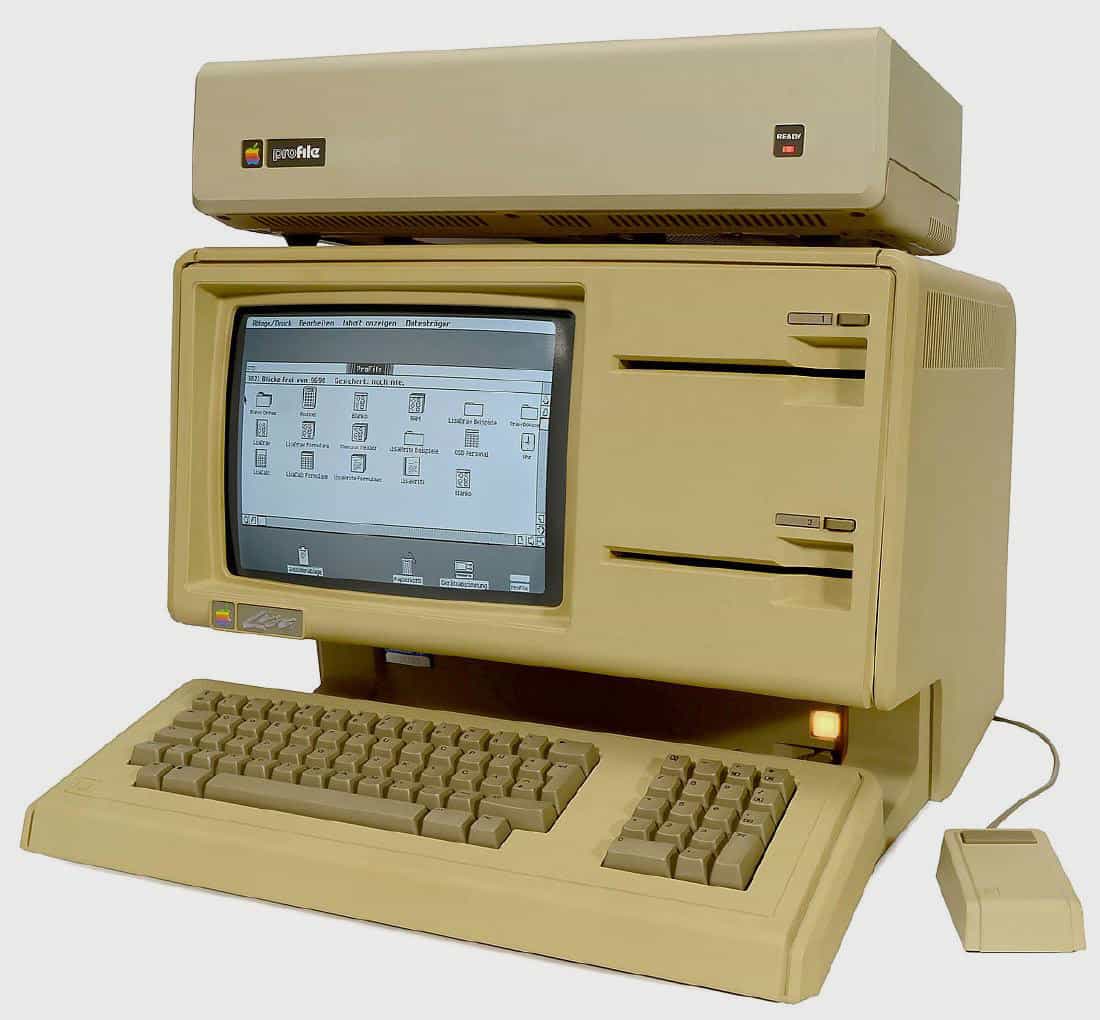
 July 30, 1979: Apple engineers begin work on the Lisa computer, the company’s first machine to come with a graphical user interface and mouse.