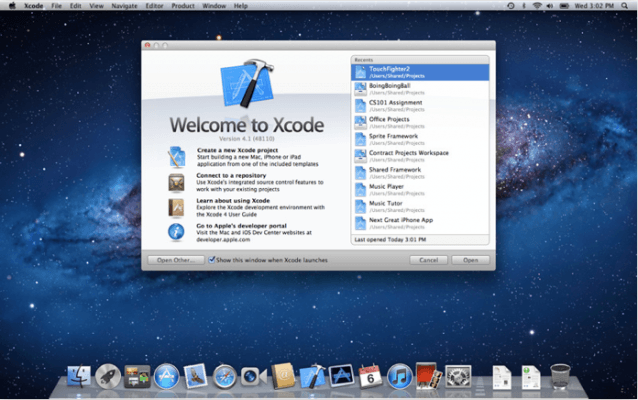
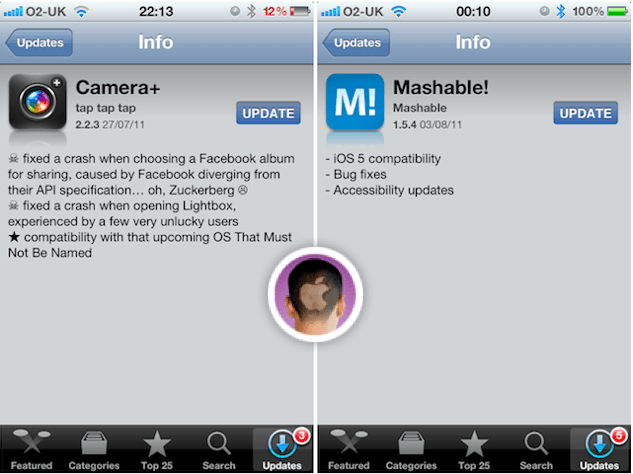
Following the release of OS X Lion last month, some early adopters ran into issues when attempting to install Xcode 4.1 that meant installing the software was rather difficult. Apple has now addressed this in the Xcode 4.1.1 update.
The incredibly popular Infinity Bladefrom Epic Games was one of the first titles to be build using the Unreal engine. Famous for its eye-popping visuals, it’s so impressive that in just six months after its launch the game had achieved over $10 million in sales. If you haven’t already bought this game, now’s the best time, because it’s on sale for just $2.99. But you’ll have to be quick!
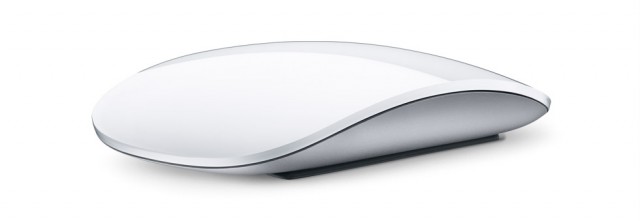
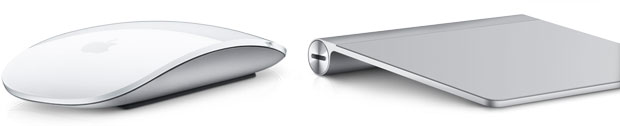
Earlier today, we told you that Apple was looking to discontinue the Magic Mouse in favor for the Magic Trackpad. This report was based off an inside source confirming that Apple was phasing out the Magic Mouse’s part number from its inventory.
Our source in Apple inventory has followed up with us, and it appears that Apple has instead discontinued the Magic Mouse’s old part number in favor for a new one. This move may indicate an update to the Magic Mouse, with the most logical prediction being better integration with advanced gestures in OS X Lion.
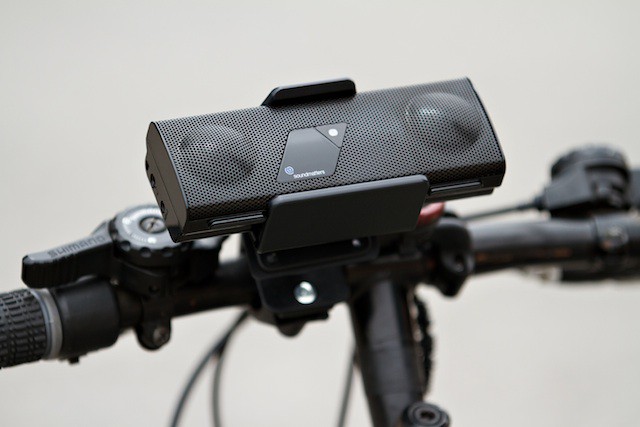
Lets’ face it — cycling is geeky enough with Lycra, weird cycling shoes and helmets so dorky they look like they were designed by population-control advocates — it doesn’t need the added panache of a Bluetooth speaker bungied to the handlebars.
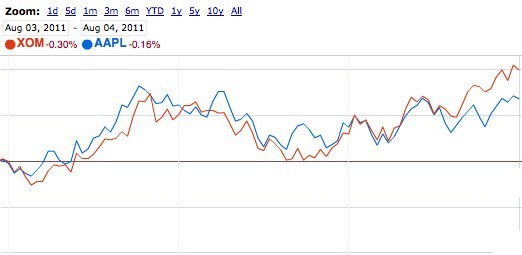
Thanks to the massive stock selloff today, Apple is within $16 billion of displacing Exxon Mobil as the the world’s most valuable company.
At market close, Exxon Mobil’s stock fell $3.88 (4.9 percent) giving it a market cap of $366 billion. Apple’s stock fell too, but only $15.20 (3.87 percent) for a market cap of $350 billion. That puts Apple within $16 billion of Exxon. Two weeks ago, the gap was $50 billion. Any day now…
We’ve gotten word from a previously reliable source that Apple is discontinuing the Magic Mouse in favor of the Magic Trackpad. Our retail source has informed us that Magic Mouse inventory is not being replenished for Apple stores, and that Apple is finally phasing out the Magic Mouse.
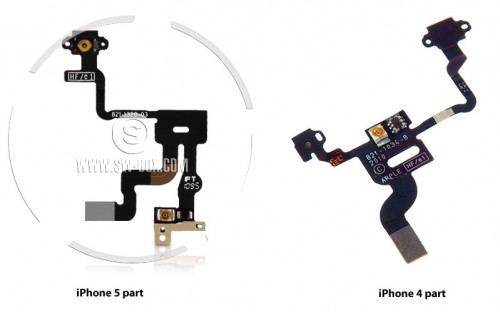
On the right, the iPhone 4’s proximity light sensor. On the right? The same part in the iPhone 5. We’re getting pretty close to launch, boys and girls, but what does a part like this tell us about what the iPhone 5 will look like?
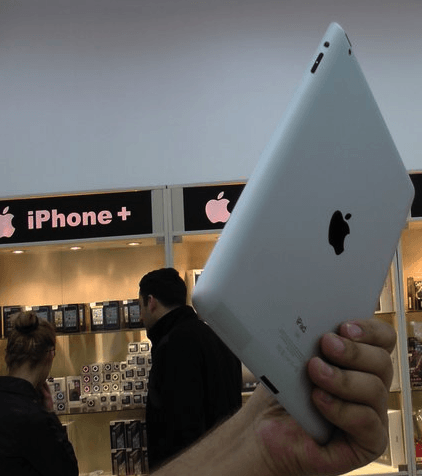
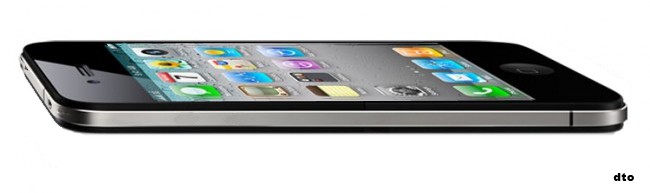
Could this be the iPhone 5? The picture was posted to MacRumors’s forums, and was snapped at the office of a French cell phone company, according to the forum member who posted it.
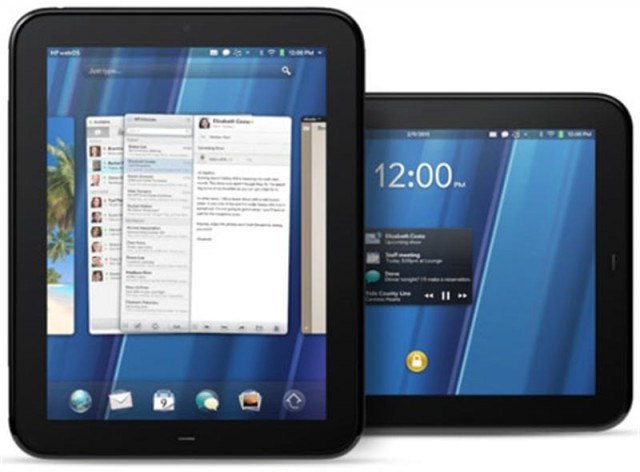
I’ll be honest here, I really want HP to do well in the tablet space Theoretically, HP has many of the same advantages with webOS as Apple has with iOS: the two companies totally control both their software and their hardware… a potentially huge advantage over the competition. Plus, webOS is genuinely an awesome, exciting platform, and if it ever gets off the ground properly, iOS will benefit from some real competition.
That said, their first tablet, the TouchPad, was very much a beta product. Featuring a bulky design and a serious derth of tablet-optimized apps, not many people chose a TouchPad over the iPad. No wonder, then, that HP’s had to slice $100 off its asking price.
Photo by Quang Minh (YILKA) - http://flic.kr/p/5Acibg
As BlackBerry-maker RIM clings to life-support, more than half of the smartphone’s owners have Apple’s iPhone on speed-dial. More than half of BlackBerry users intend to switch to the iconic iPhone as Wall Street experts pull the plug on RIM’s recovery plans.
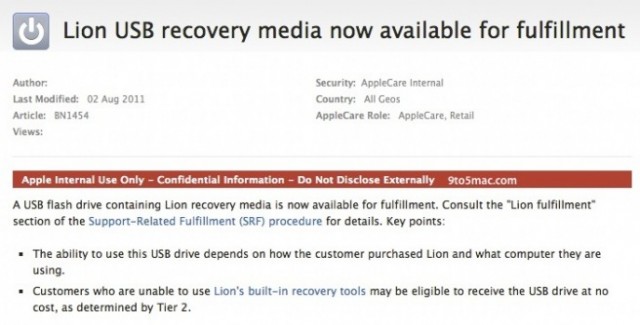
Been holding out on buying Lion until you can get it on officially sanctioned physical media? According to 9to5Mac, Lion USB recover media is now available for fulfillment… an it’ll even be handed out free to those of us who aren’t able to use Lion’s built-in recovery tools to restore their hosed Macs.
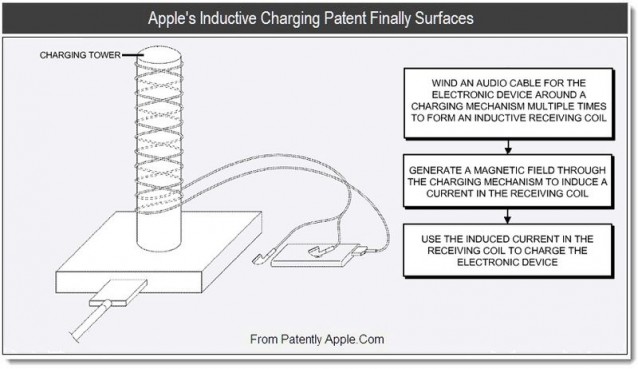
Following this morning’s discovery of a new Apple patent for inductive charging, MacRumors points to a video from WiTricity, the company that develops magnetic resonance charging technology, which demonstrates a much better method for wirelessly charging our Apple gadgets using our Macs as a power source.
Apple’s intentions to introduce a wireless system to its iOS devices has been well documented over the past few months, but just exactly how it plans to do it remains to be seen. However, a new patent application published by the U.S. Patent & Trademarks Office today could reveal all.
Beware Android users, malware authors are picking Google’s platform as their first foray into mobile mayhem, security researchers say. Interestingly, there’s no mention of malware using Apple’s iOS.
Of all the things we expect to see from Apple’s iPhone 5 in the coming months, it isn’t super-speedy LTE capabilities. However, China Mobile says that it has struck a deal with Apple to bring the next-genearation iPhone to its 4G TD-LTE network.
Although its public release isn’t scheduled until this fall, Apple has already begun approving apps for its upcoming iOS 5 software for the iPhone, iPad, and iPod touch — suggesting the firmware could launch as early as next month alongside the iPhone 5.
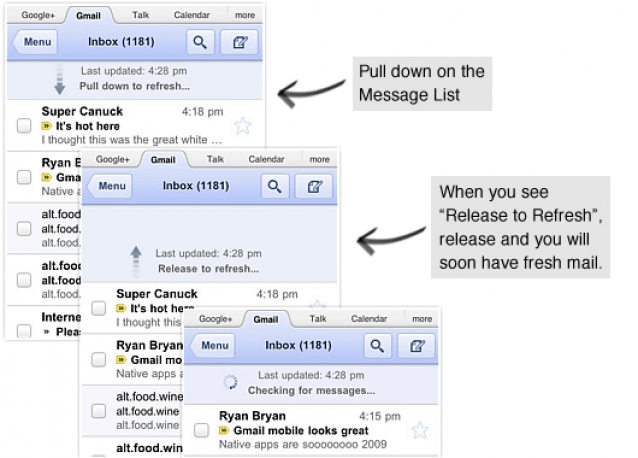
Google’s Gmail web app for the iPhone delivers a nice new update this morning that makes it even more iPhone-friendly, introducing the iOS trademark pull to refresh function, and an enhanced interface.
After recently giving developers access to the web apps and syncing capability of iCloud.com, Apple has also turned on the Find my iPhone and Find My Mac features for those with early access to iCloud’s web portal.
Developers can now login to iCloud.com and view the location of their registered iDevices and Macs in a map view.
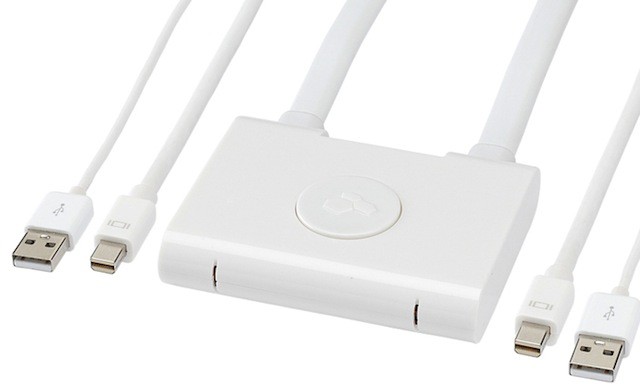
Kanex just unveiled its SnapX today, a $69 switch that connects a single 24- or 27-inch Apple Cinema Display to a pair of Macs and allows toggling between the two.
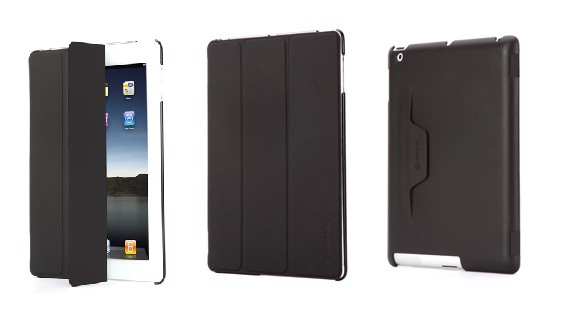
Smart Cover? IntelliCase? Yeah, there’s no product-naming rivalry going on there. And just like its name, Griffin’s IntelliCase, is a cooler version of Apple’s ubiquitous iPad 2 Smart Cover, because it adds something sorely missing from Apple’s version: a back.
Apple’s no stranger to lawsuits, but this one’s a bit bizarre: a New York photographer is suing Cupertino for using one of her copyrighted photos in an iPhone advertisement. But does she have a case?
Remember a time when people still talked about an Apple tax with a straight face? It’s been laughable for years, but with the debut of the iPad, became a self-evident joke: if Apple overprices their hardware, why the heck can’t the competition make an equally specced, sub-$500 tablet?
The disparity between what Apple can make and sell a product for and what the competition can has only grown more pronounced since the debut of the $999 MacBook Air.
It’s such a big disparity that Intel has launched what it calls the UltraBook initiative to help laptop makers release capable MacBook Air competitors… but even with Intel’s help, it’s looking increasingly unlikely that any first-gen UltraBooks will be able to beat the MacBook Air in price.
The sources pointed out that Intel’s ultrabook concept is not a brand new innovation, but a design to allow first-tier notebook players to quickly catch up with Apple’s advances in the ultra-thin segment and help the notebook industry recover from the impact of tablet PCs. The sources pointed out that the new MacBook Airs are priced at about US$999-1,599 with rather strong demand in the US; however, designing an ultrabook based on Intel’s technical suggestions will still be unable to reduce the machine’s price level to lower than the MacBook Air’s unless Intel is willing to reduce its prices, which already account for one-third of the total cost. If Intel does reduce its prices there is a chance for vendors to provide pricing below US$1,000.
So the so-called Apple Tax, in the case of the MacBook Air, is actually an Apple Discount: they’ll sell you a $1299 top-of-the-line ultraportable with unparalleled build construction for $300 cheaper.
Expect this disparity to only get worse as time goes on: Apple’s using its cash hoard to build up a portfolio of future products that the reactionary competition can’t even hope to touch.
This year’s MacTech Conference will open with Guy Kawasaki in Los Angeles from November 2 to November 4. The event will feature sessions from more than 30 speakers, and if you register your place nice and early, you’ll save $200 off your booking fee.