Bungie, the previously Mac-exclusive game developer who defected to the arms of Microsoft to release the best-selling Halo series, is making a new game… and it’s probably coming to iOS.
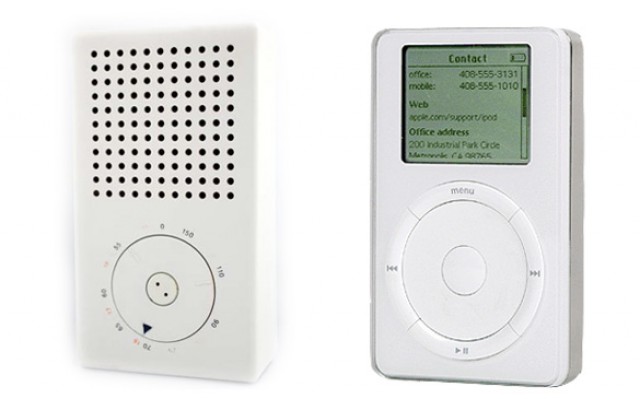
For years, an unassuming Microsoft Research scientist named Bill Buxton has been collecting gadgets that have informed today’s landscape of technology. Now his collection is on display at the the Computer-Human Interaction conference in Vancouver, and what do you know? A large number of them seem to have directly inspired many of Apple’s most iconic products and innovations. If only they’d done the same for Microsoft.
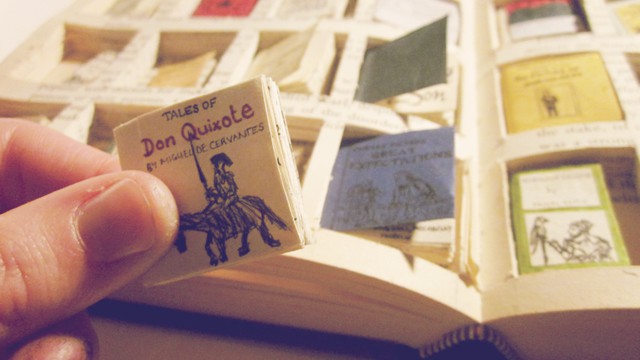
Illustration student Rachel Walsh was assigned a seemingly impossible design task by her professor: explain the concept of the Amazon Kindle to Charles Dickens. Her solution is ingenious, and applies just as well to iBooks, but just imagine if she’d been asked to explain the iPad to Dickens instead.
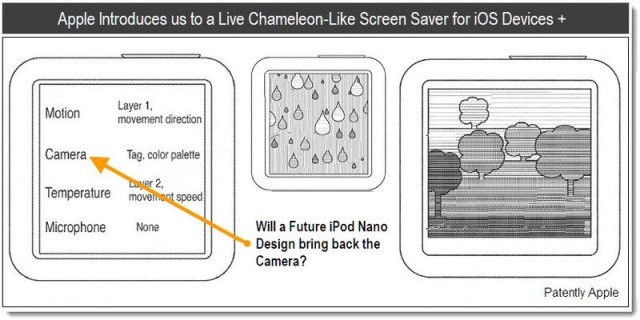
Now it looks like we know: it’s so the Nano can look out into the world and see just where it’s being used, then adapt itself like a chamelon accordingly.
Although they stopped recording together decades ago, the Beatles are being credited with reviving music sales that have been on the skids for a decade.
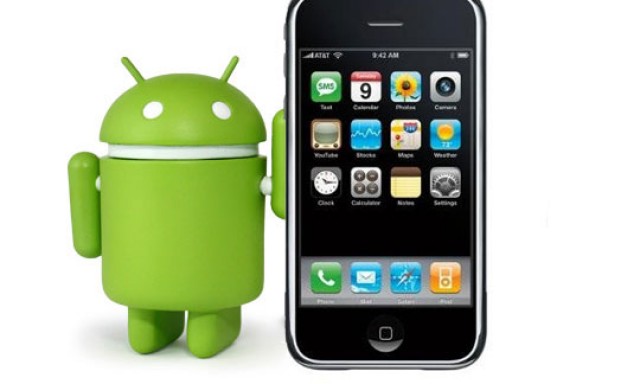
If you’re so inclined and mad enough to try it, you can install Google’s Android operating system on your original iPhone, iPod Touch or iPhone 3Gwith a minimum of fuss, but later iPhones like the iPhone 3GS and iPhone 4, as well as the iPad? A much stickier wicket.
A week after its release, a memoir about Navy Seal Team Six is topping sales on iTunes. The elite military personnel are trained to conduct the most top secret operations involving combat, anti-terrorism and dangerous rescues – like the one that led to killing Osama Bin Laden on May 2.
Remember the days when Mac owners chuckled as Windows users swatted swarm after swarm of malware, confident in the old saw about ‘security through obscurity’? Well, one side-effect of Apple’s growing popularity is the Mac is becoming a more visible target for malicious hackers — and they’re already building Trojans aimed at your machine.
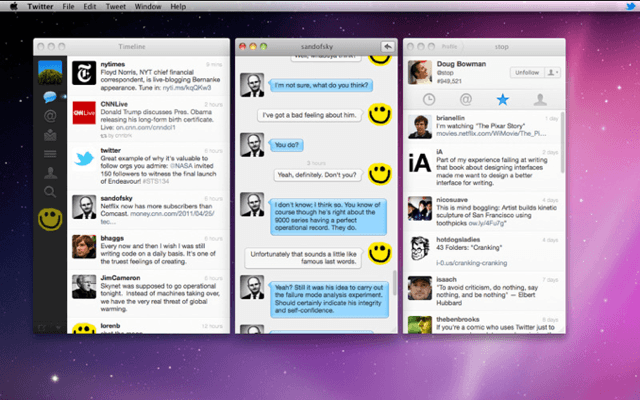
Shortly after announcing big changes to its web application, Twitter has pushed out an update to its free application for the Mac. Version 2.1 boasts an improved user interface and new features that make the application a whole lot nicer.
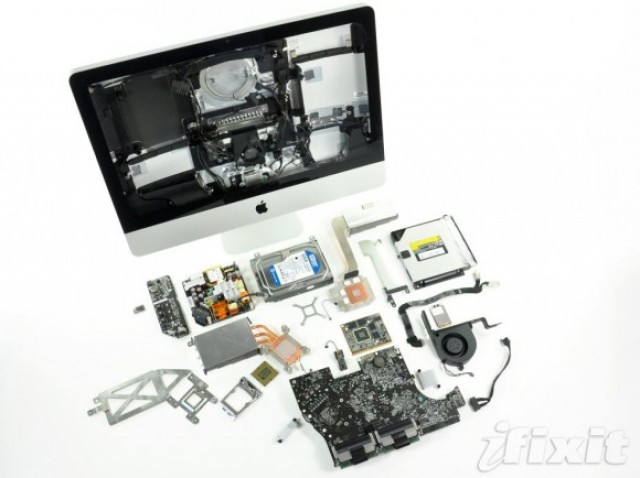
A handful of components said to come from the guts of the next iPhone have hit the web. Or they might just be a piece of junk taken from some tinker’s pockets. If they’re for real, though, consider at least a couple of the juicier rumors about the hardware of the iPhone 5 debunked.
We’ve seen DIY versions of iPad necklaces, now one enterprising former robotics student hopes to bring this wooden version to stores near you soon.
Desmond D. Dixon designed, engineered and models (that’s him in the pic above) these iPad and iPod chains. The iPod chains will go for $25, the iPad chains $49 when they go on sale in fall 2011.
A new patent published by the U.S. Patent and Trademark Office reveals that Apple is working on a ‘smart’ keyboard that provides users with tactile feedback using proximity sensors and air vents on individual keys. It could radically change the way we do everything with our keyboard, from sensing a letter being pressed before it’s typed to allowing us to ‘feel’ a video game through our finger tips.
Photo by World Economic Forum - http://flic.kr/p/6jiq5C
After 13 years, Microsoft will no longer be scrutinized by the Department of Justice. The timing is apt, because Apple has supplanted Microsoft as the biggest company in tech — and with Apple’s rise in fortunes come its own anti-trust concerns.
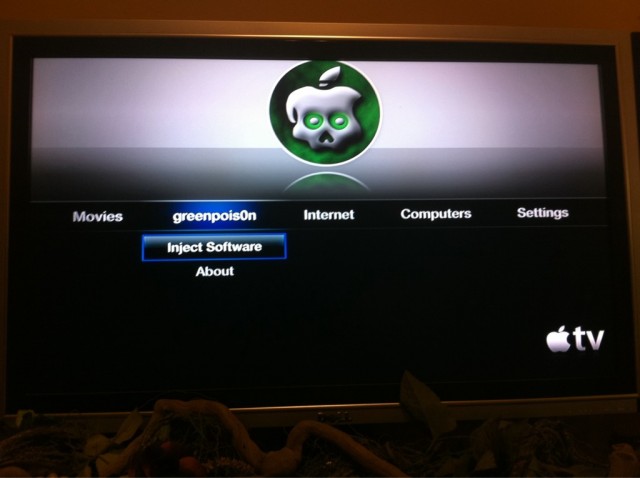
False alarm, guys. Despite fears, the latest 4.2.2 firmware for the second-gen Apple TV is still just as jailbreakable as it ever was, despite an update to iOS 4.3.
For years, publishers have been fighting Apple for the ability to collect user data from iOS subscribers without their consent. It turns out, though, they don’t have to: over half of all subscribers give up their personal details willingly.
Image used under Creative Commons license, from Flickr user: hddod
Sources in Apple’s supply chain have revealed that Foxconn Electronics is currently facing supply and labor shortages that could delay shipments of both the iPhone 4 and the iPad 2 during the second quarter.
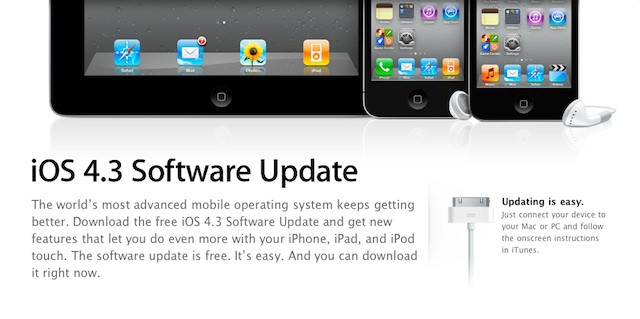
A number of users are reportingproblems with Wi-Fi or 3G data connections after upgrading their iPhones to iOS 4.3.3. I’ve encountered the problem myself on 3G and a friend called me the other day to complain to me about the problem on both Wi-Fi and 3G. He was pretty frustrated about it and I cannot blame him since it seemed to come and go for him.
You’ll notice the problem manifest itself whenever you try to access a network resource and the busy indicator to the right of the carrier signal label seems to get stuck and nothing happens – mail isn’t downloaded, a web page doesn’t load, etc. I haven’t noticed the problem on my iPad 2 nor have I seen people complain about it happening on their iPads.
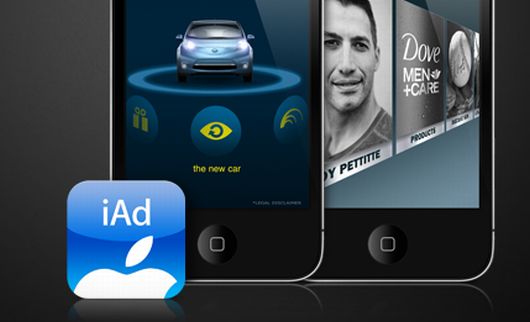
When Apple first launched iAds back in April 2010, it was widely criticized by developers and advertisers due to Apple’s strict design requirements and a huge $1 million buy-in rate. iAds has finally gained momentum, though, and Apple just announced its 100th iAd campaign. How’d Apple turn things around?
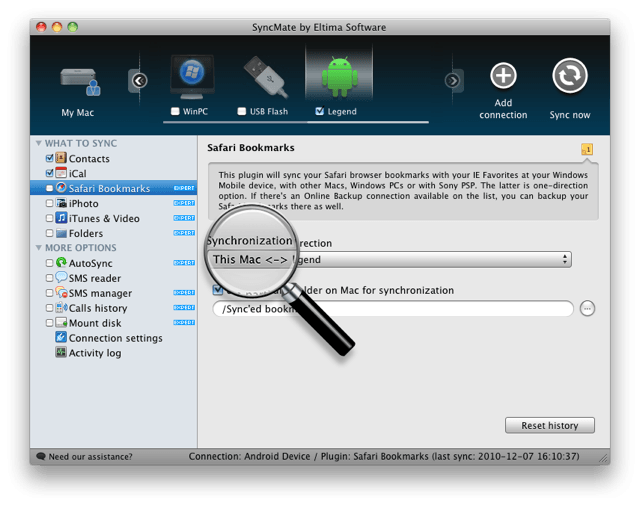
The SyncMate 3 program from Eltima Software has been providing Android users with a way of seamlessly syncing their phones with their Mac for some time, but the latest update integrates support for Android powered tablets as well.
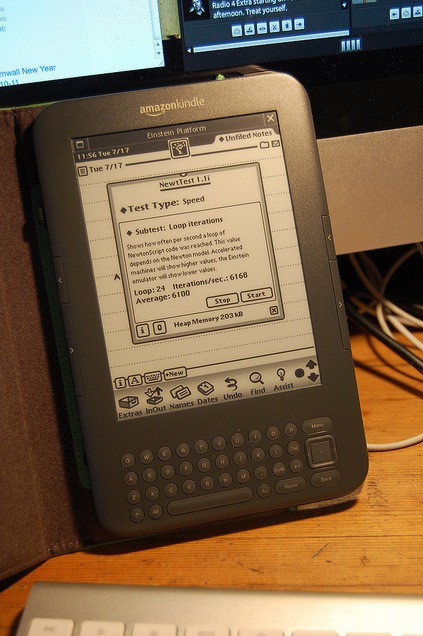
You can put custom pictures on your Kindle if you like – try using these instructions. See what other classic Apple software you can “run” on your Kindle. Clarisworks? Eudora? Hypercard? Ahh, memories…
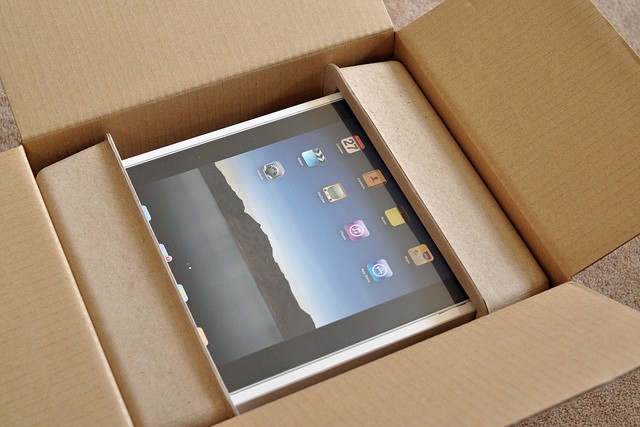
(Photo by Giles Booth, re-published with permission)