
 March 29, 2012: Apple settles its “Antennagate” controversy by giving affected iPhone 4 owners the chance to claim a whopping $15 payout. The settlement covers customers who experienced problems with the phone dropping calls due to its cutting-edge design, but were unable to return their handsets (or didn’t want a free bumper from Apple to mitigate against the problem).
While it’s arguable whether a $15 payout was worth filing all the paperwork necessary to claim the cash, the Antennagate story — and the resulting class-action lawsuit — generated big headlines at the time.
 March 28, 1996: In a dire message to Wall Street, Apple warns that it will report a $700 million after-tax loss for its most recent quarter.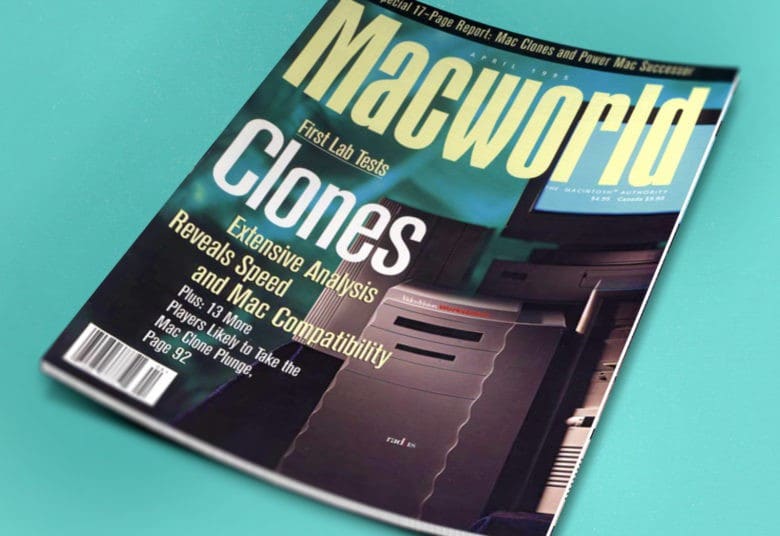
 March 27, 1995: The Radius System 100, the first official Macintosh clone, launches.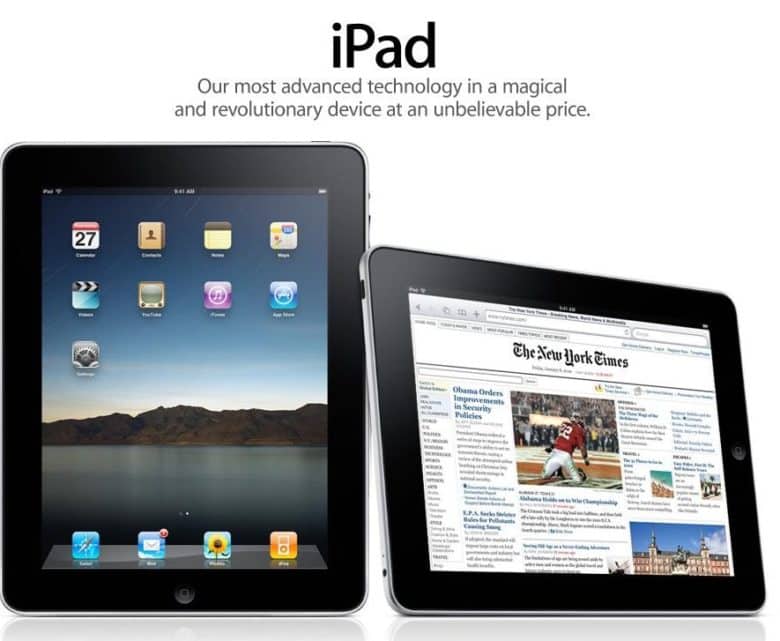
 March 26, 2010: Apple pays up to settle a trademark dispute with Japanese multinational Fujitsu over the name “iPad” in the United States.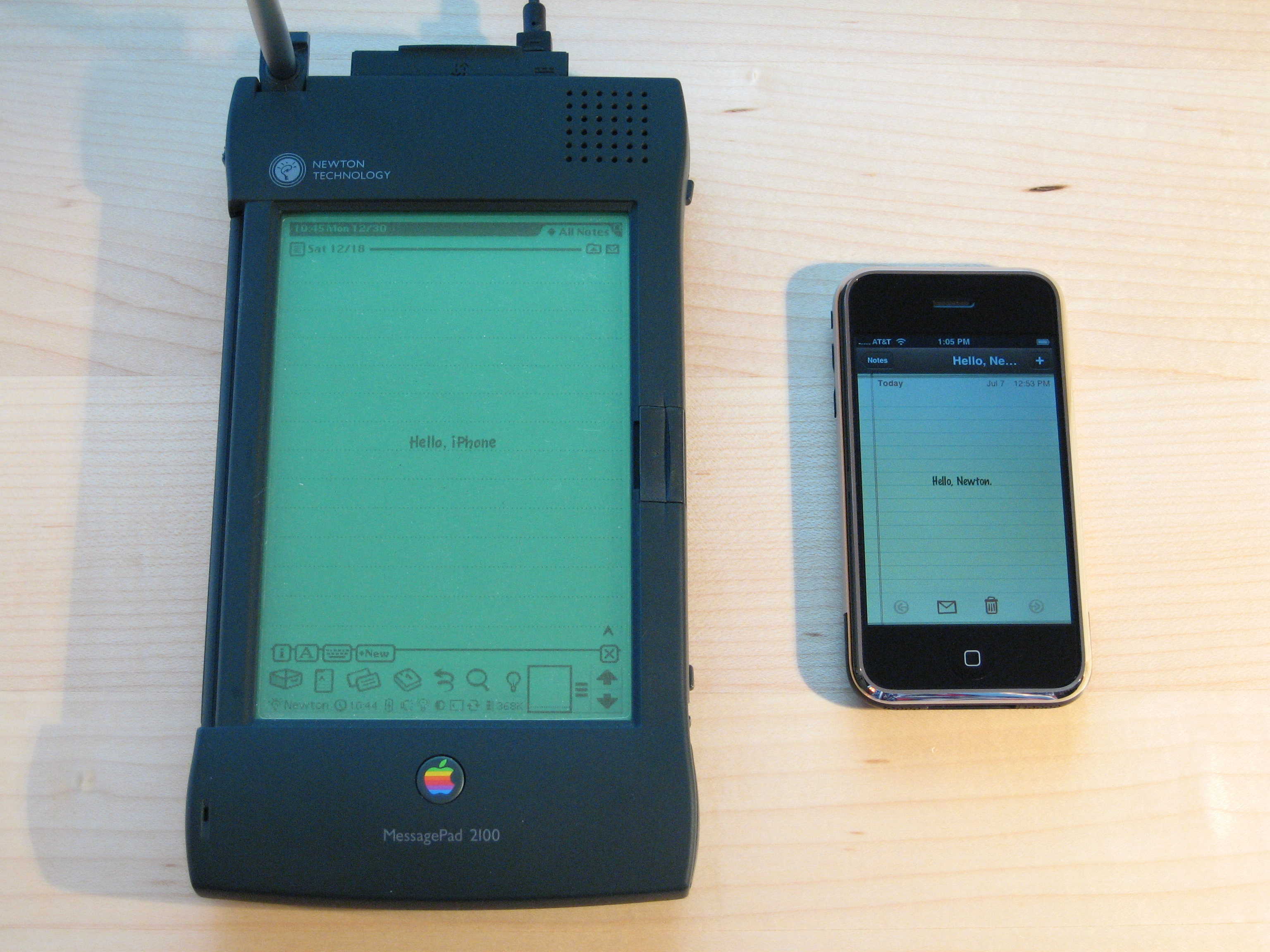
 March 25, 1993: Apple executive Gaston Bastiaens bets a journalist that the eagerly anticipated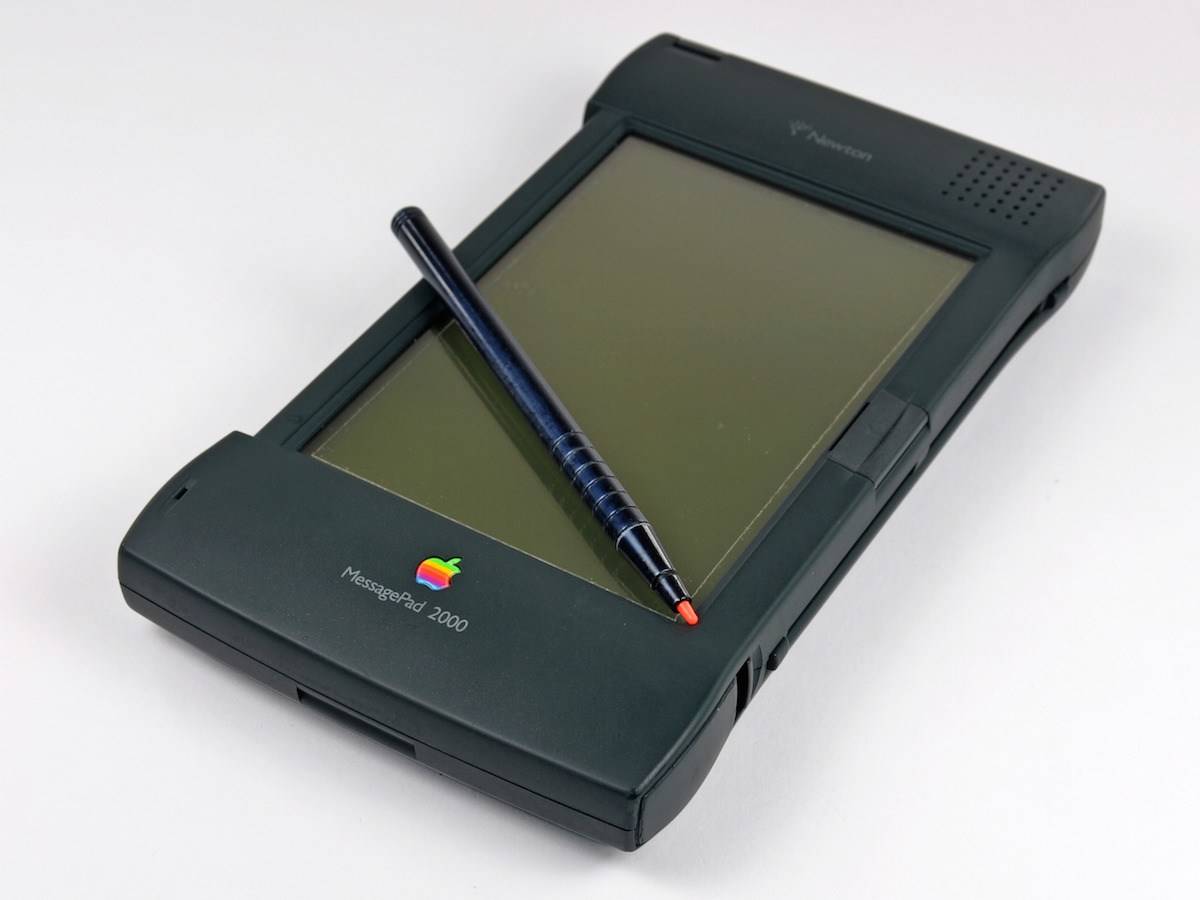
 March 24, 1997: The Newton MessagePad 2000 brings major upgrades to Apple’s PDA line, including a far better display and a much faster processor.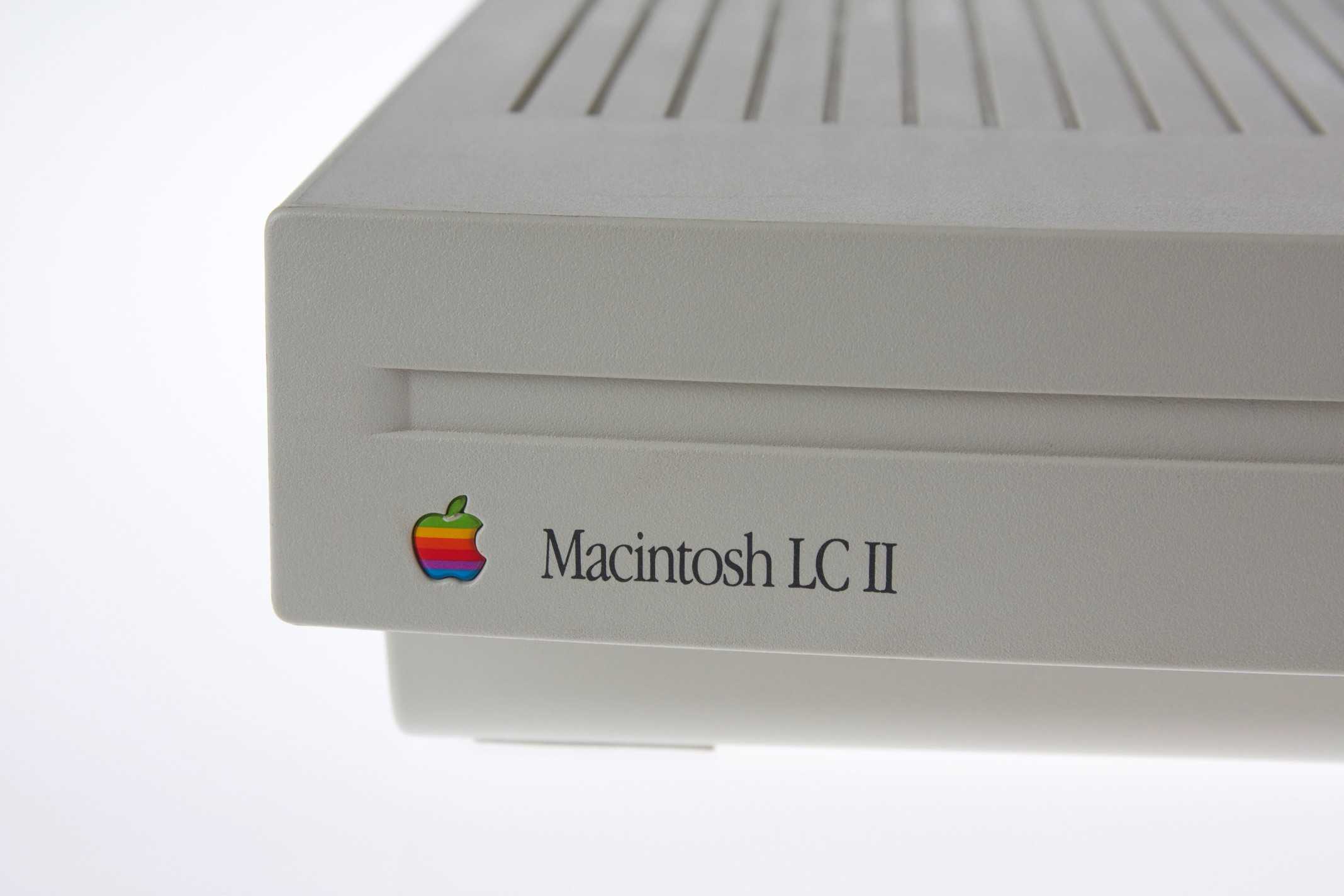
 March 23, 1992: The “headless” Macintosh LC II arrives, wooing value-oriented customers with a beguiling mix of updated internals and budget pricing.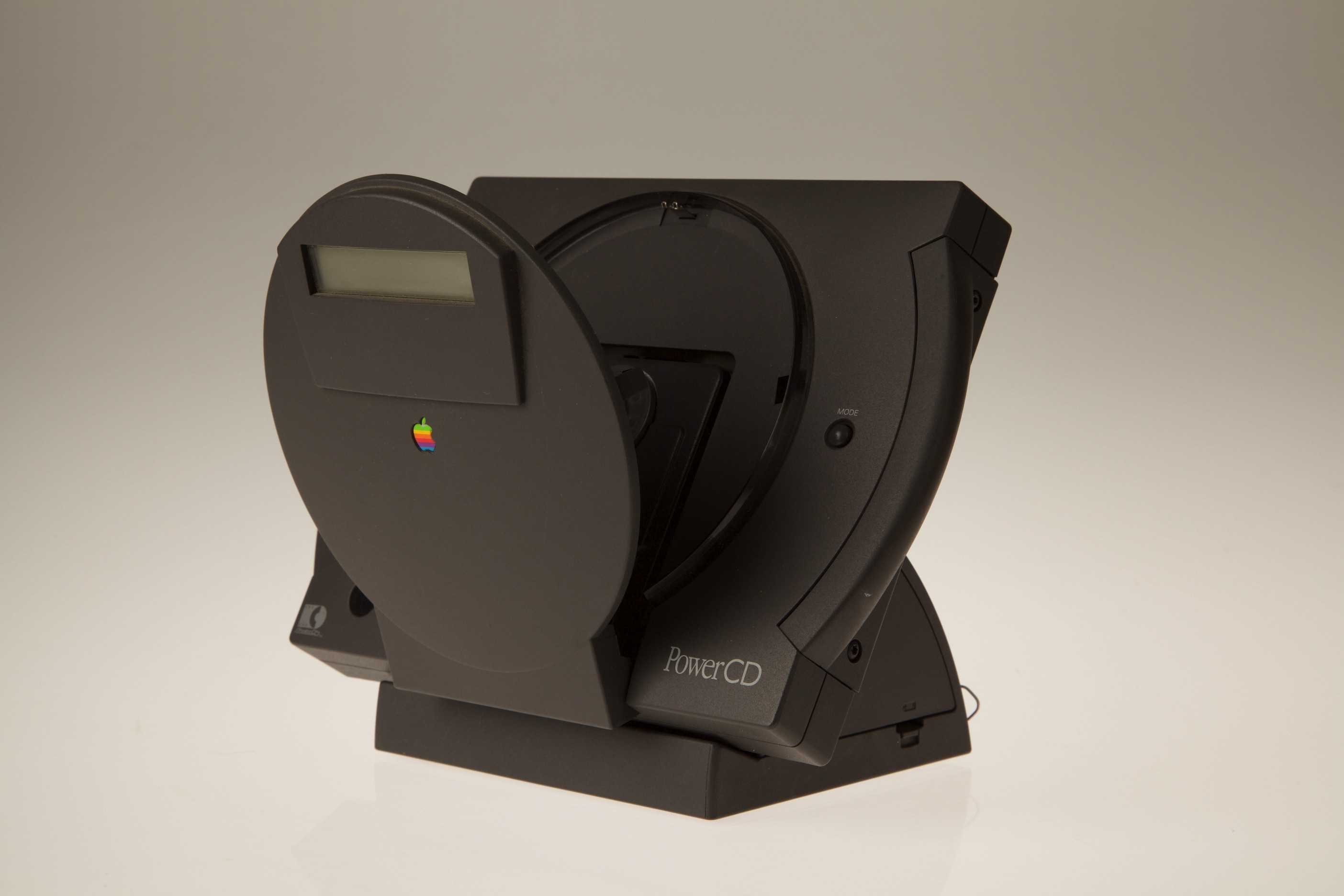
 March 22, 1993: Apple launches the PowerCD, the first device from the company that doesn’t require a computer to work.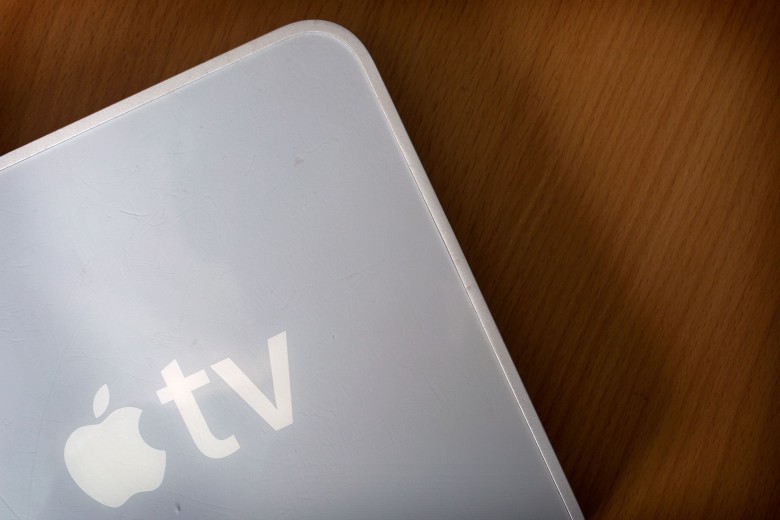
 March 21, 2007: Apple launches the Apple TV, a gleaming-white set-top box with a remote control, for bringing iTunes media to the living room.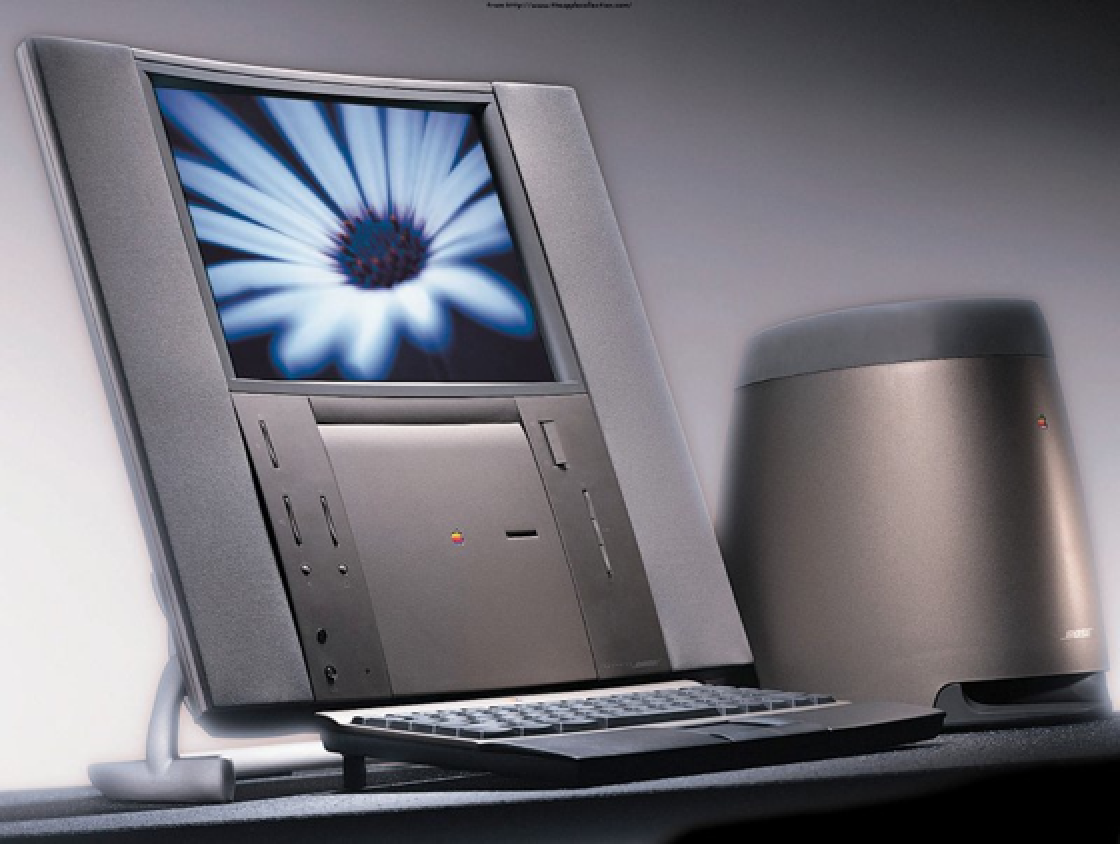
 March 20, 1997: Apple launches its Twentieth Anniversary Macintosh, a futuristic, special-edition Mac that’s ahead of its time in every way. Not part of any established Mac line, it brings a look (and a price!) unlike anything else available — and Apple delivers them to buyers in a limo!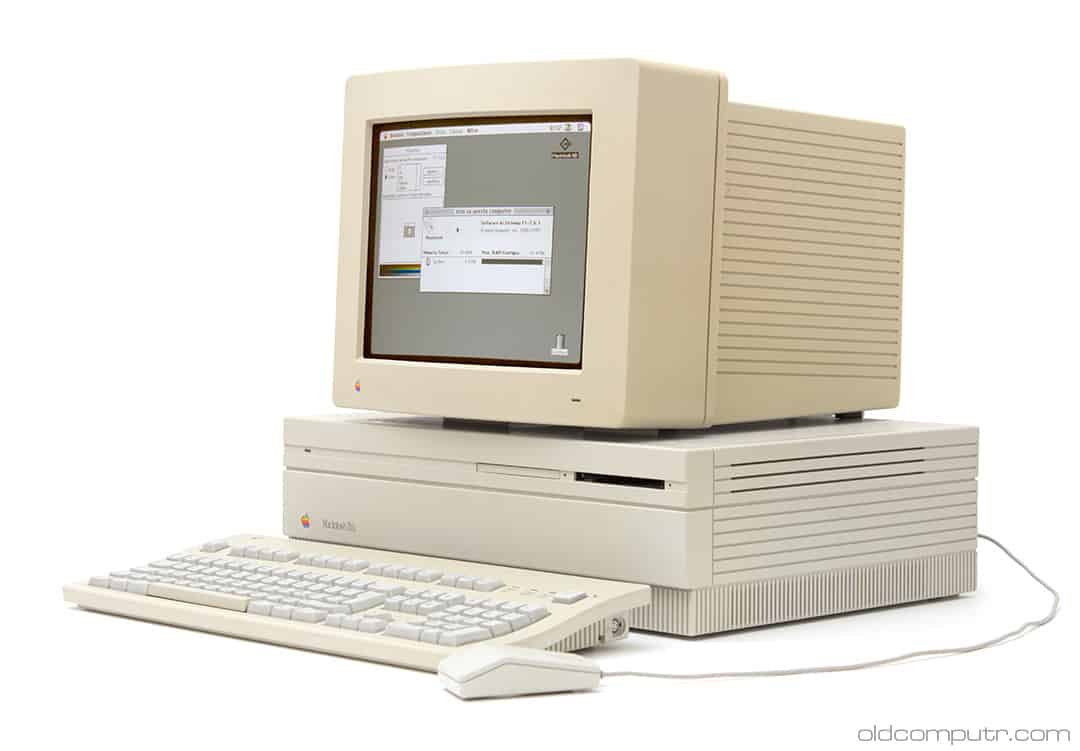
 March 19, 1990: The ultra-fast Macintosh IIfx makes its debut, sporting a hefty price tag appropriate for such a speedy machine.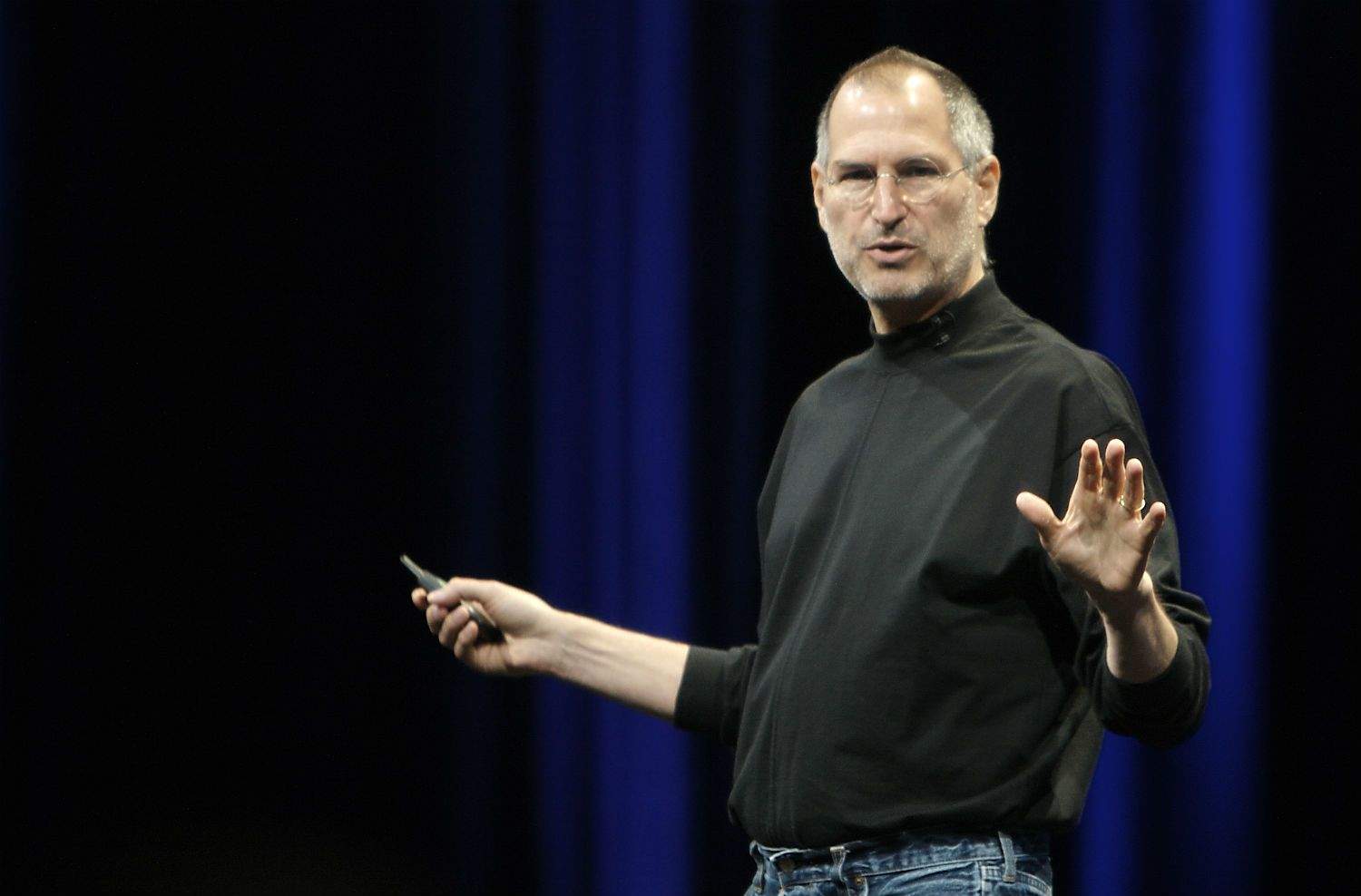
 March 18, 1991: Steve Jobs marries 27-year-old Stanford MBA Laurene Powell.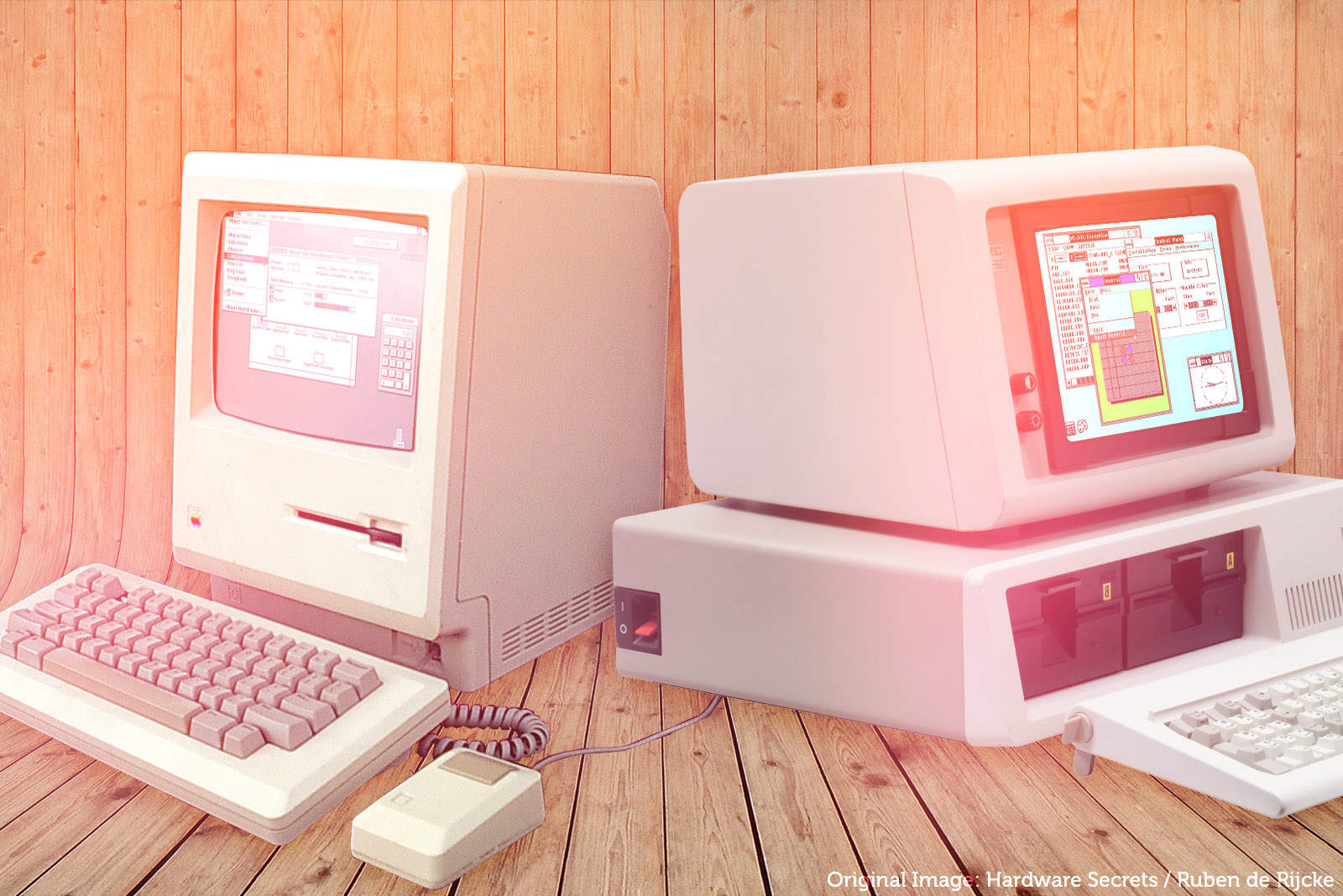
 March 17, 1988: Apple sues Microsoft for allegedly stealing 189 different elements of its Macintosh operating system to create Windows 2.0.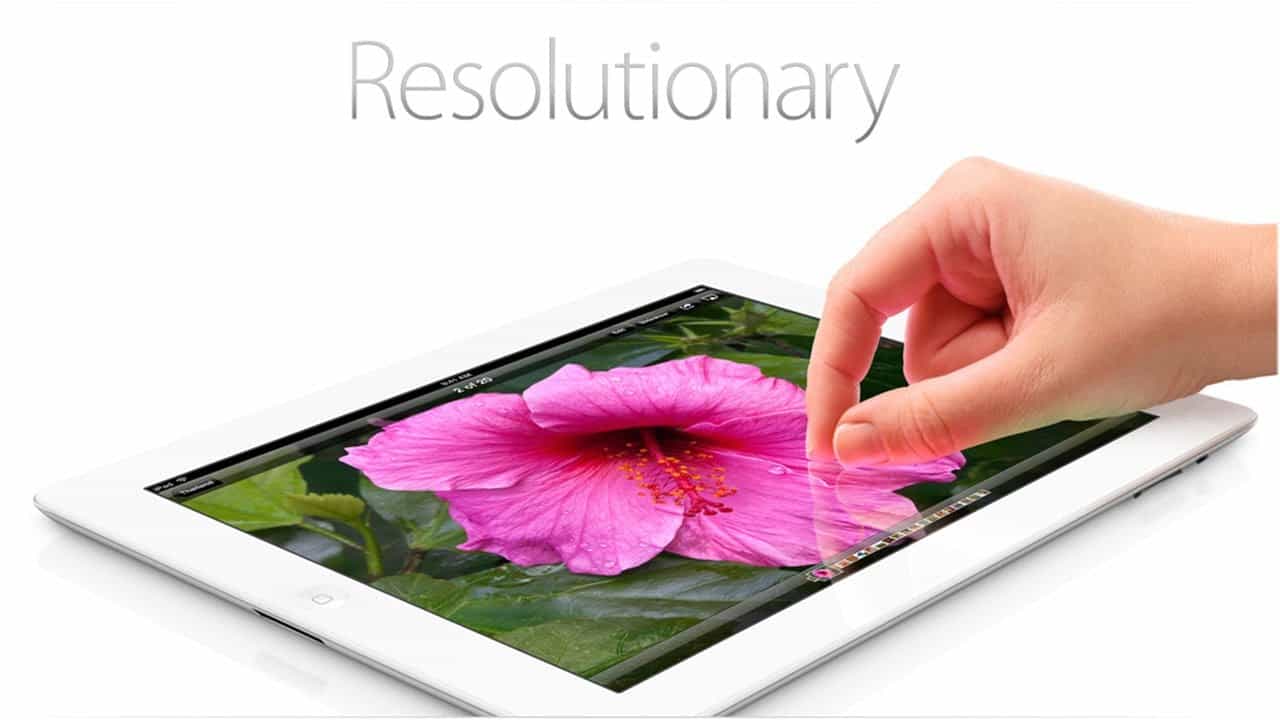
 March 16, 2012: Apple introduces the third-generation iPad, its first tablet to come with a Retina display. Marketed as simply “the new iPad,” it’s widely known as the “iPad 3.”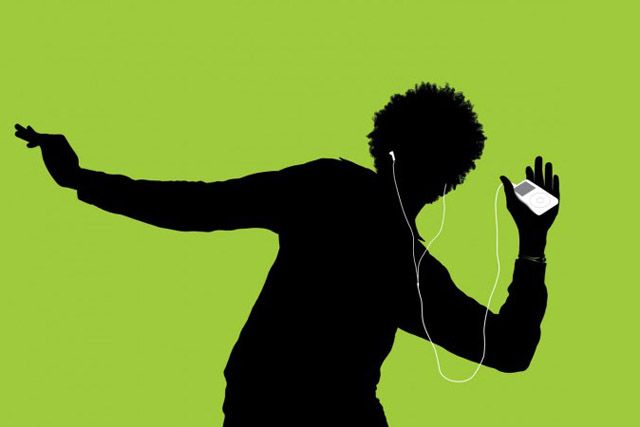
 March 15, 2004: The iTunes Music Store hits a musical milestone, having sold an astonishing 50 million songs in less than a year. The achievement cements Apple’s place at the center of the rapidly changing music business — at least for the moment.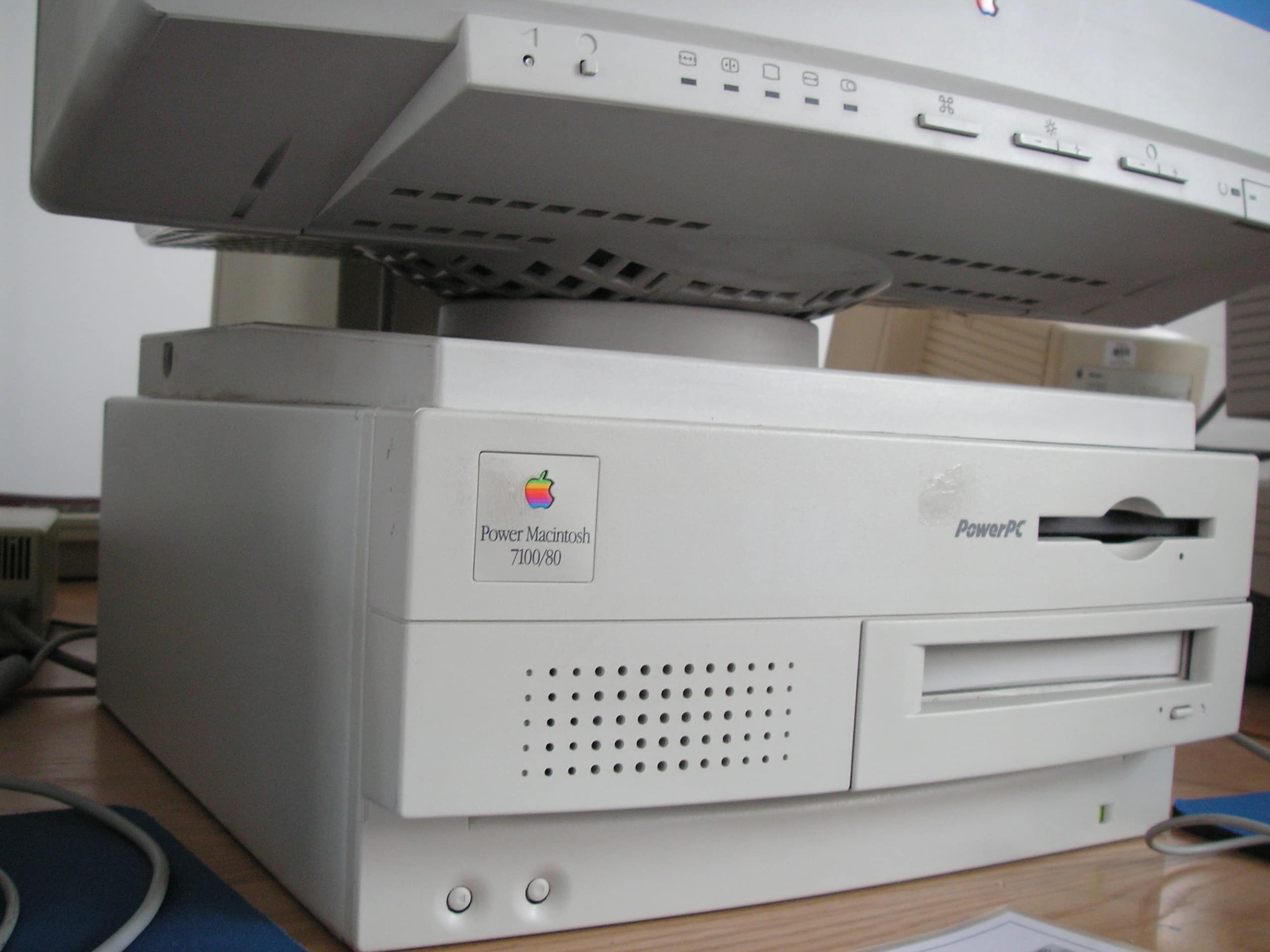
 March 14, 1994: Apple introduces the Power Macintosh 7100, a midrange Mac that will become memorable for two reasons.
 March 13, 1997: With Apple preparing to cut thousands of jobs, CNN reports that “the coffin door is closing” on Cupertino. Apple is doomed! Doomed!
 March 12, 2010: Apple passes Walmart and investment firm Berkshire Hathaway in value to take third place in market capitalization among publicly listed U.S. companies. The Apple market cap soars past $200 billion, fueled by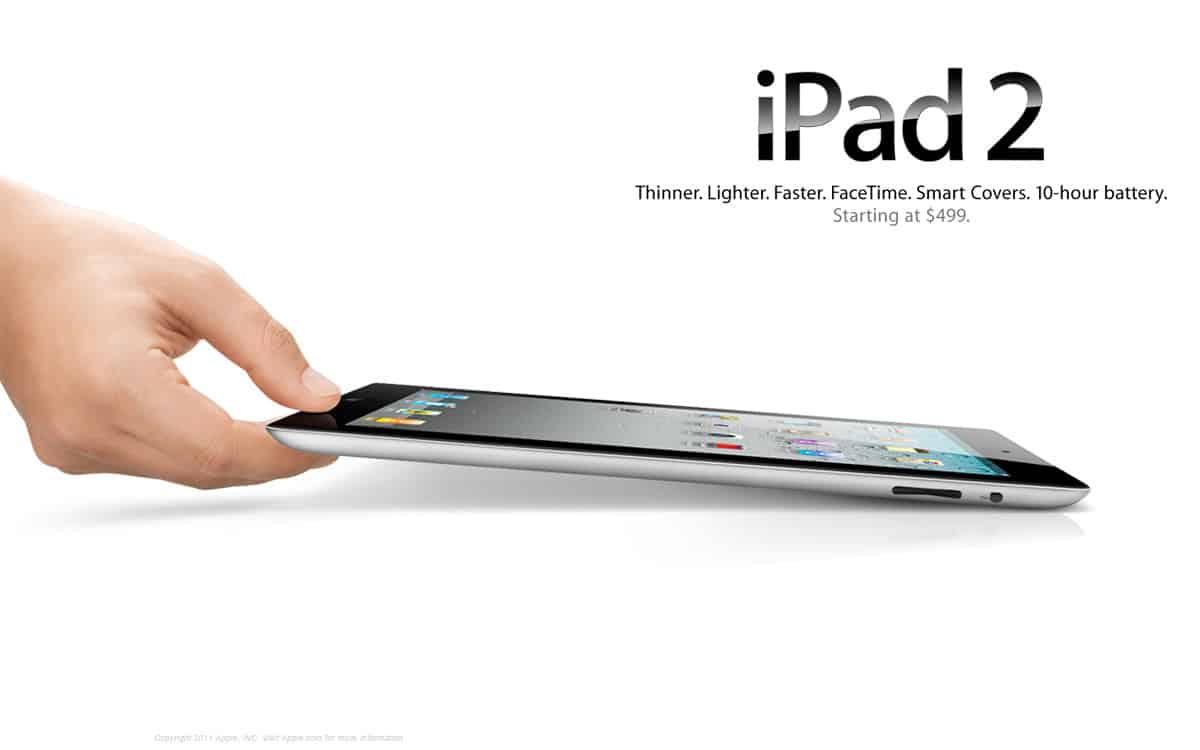
 March 11, 2011: How do you follow up your biggest product debut ever? That’s the question Apple needs to answer as the iPad 2 launch date arrives.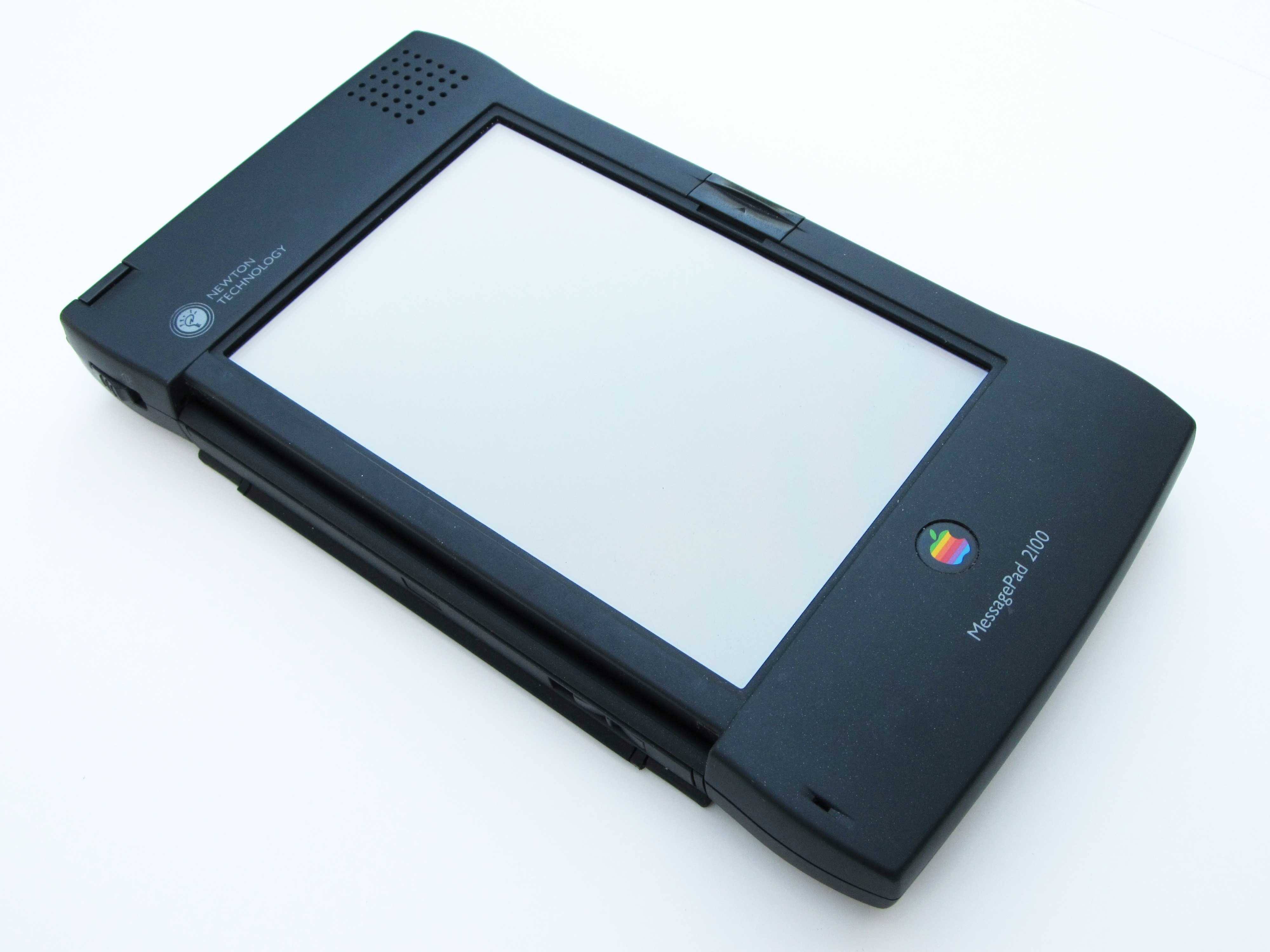
 March 10, 2004: Apple sends out a survey to select Apple customers, claiming that it is considering relaunching the Newton MessagePad.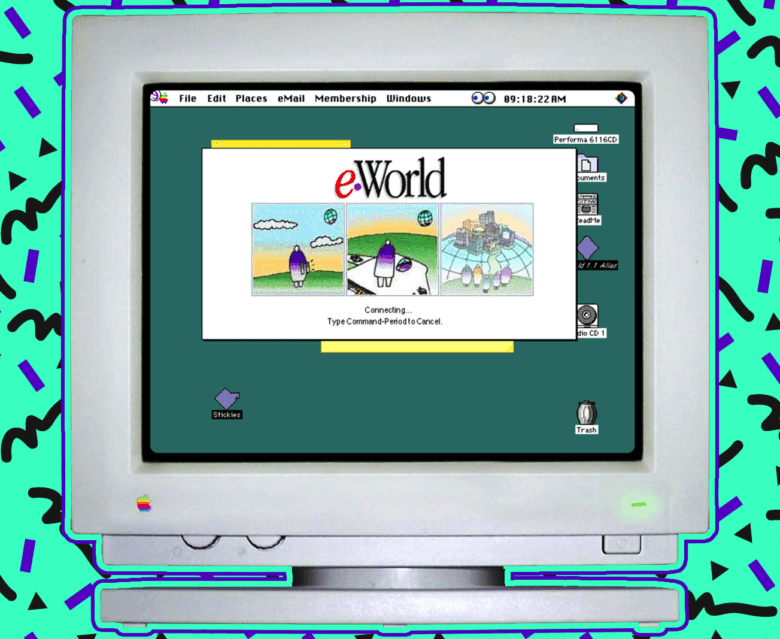
 March 9, 1996: Apple confirms that it will shut down its eWorld online service at the end of the month.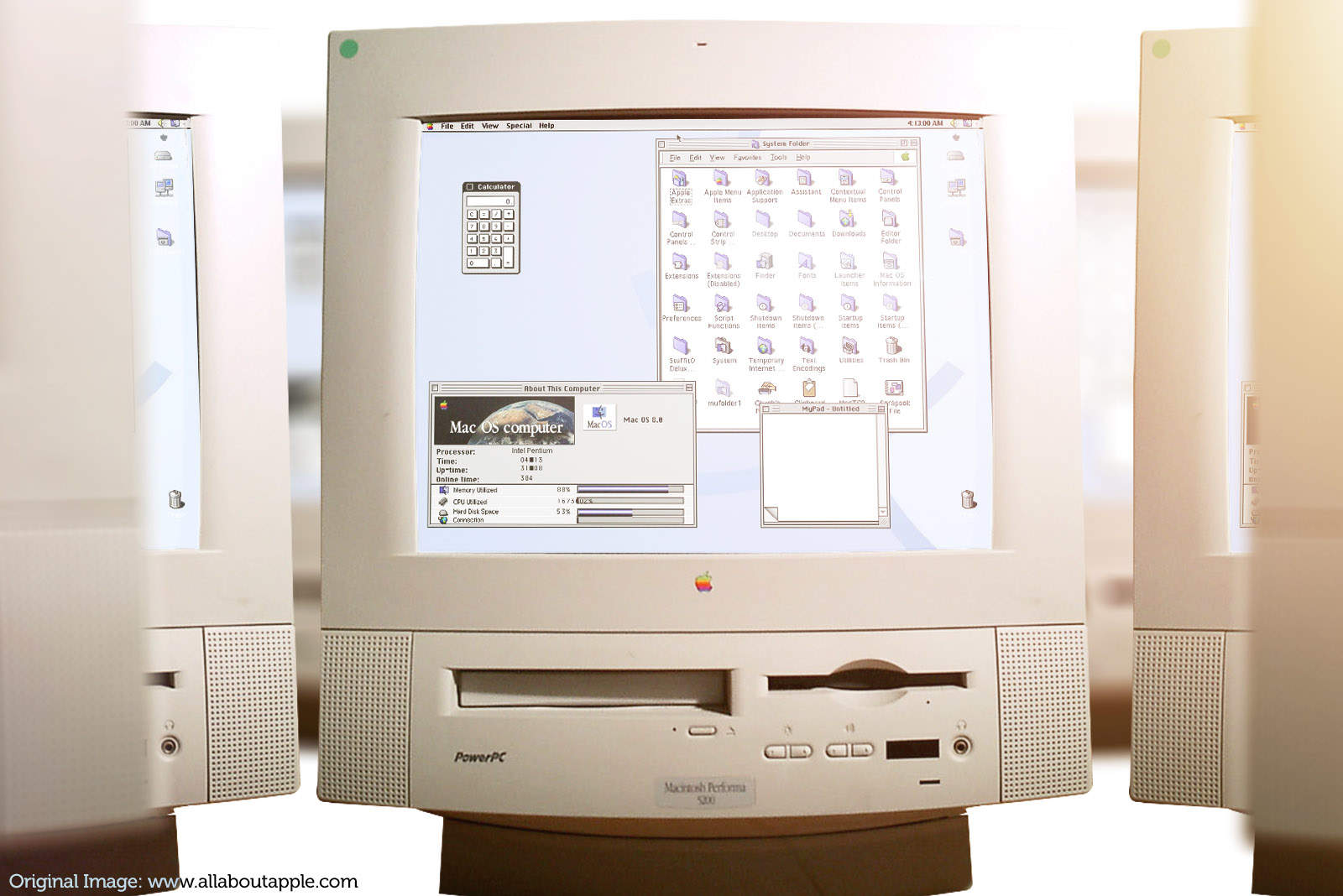
 March 8, 1997: Apple renames the forthcoming Mac OS 7.7 update, calling it “Mac OS 8.” It’s more than just a name change, though: It’s a sneaky sucker punch that ultimately knocks out Mac clones.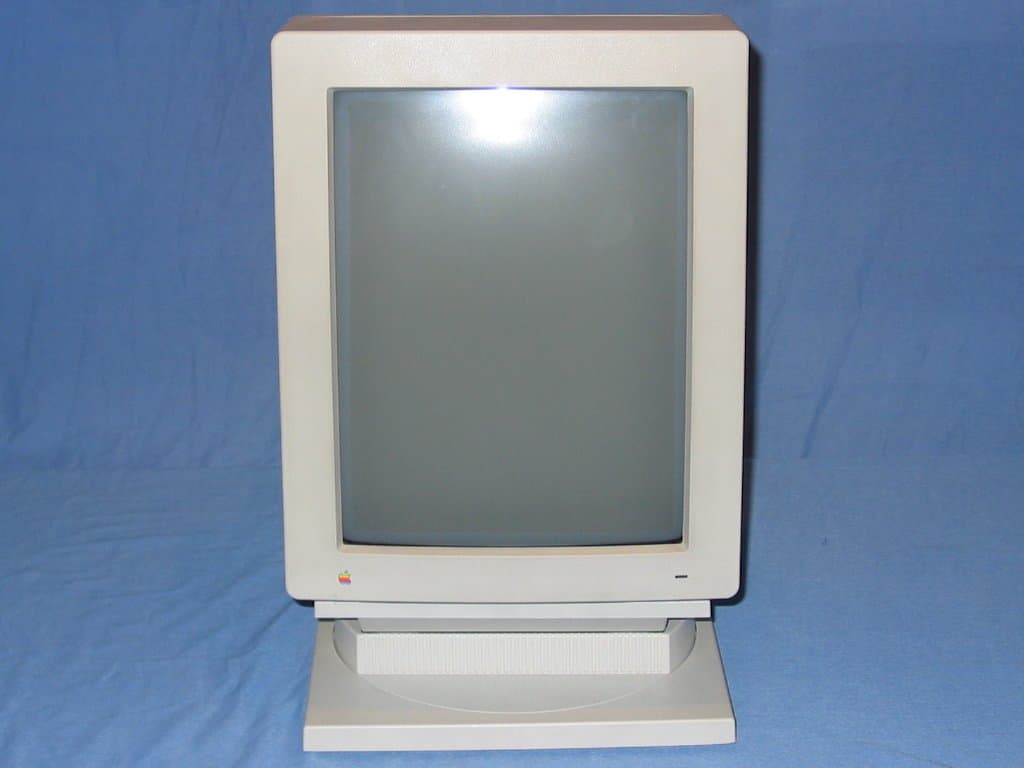
 March 7, 1989: Apple introduces the Macintosh Portrait Display, a 15-inch vertical grayscale monitor designed to show full pages on a single screen. Intended for word processing and desktop publishing, the $1,099 monitor (plus $599 for an additional video card to run it) works with any Macintosh.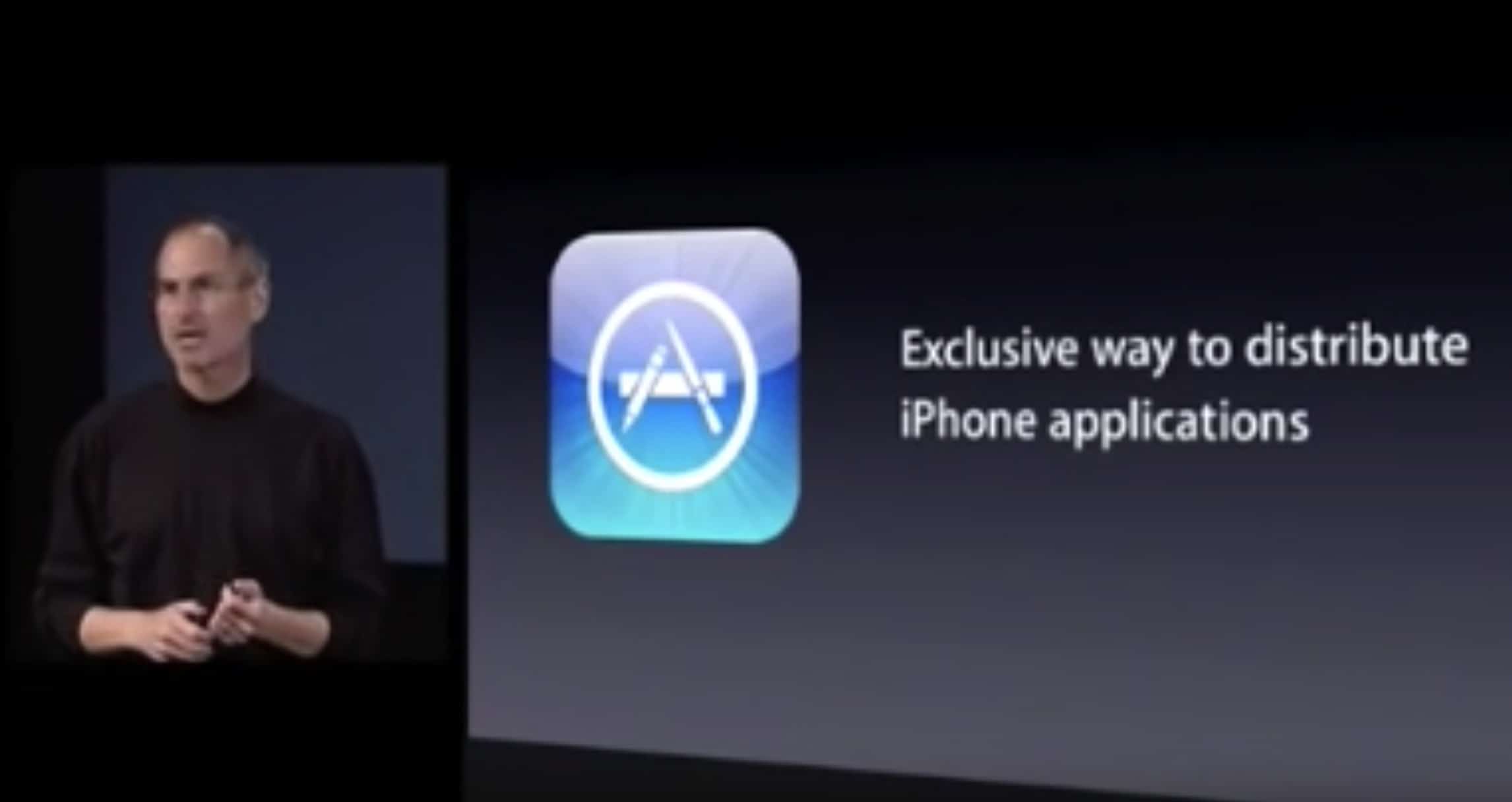
 March 6, 2008: Apple releases the iPhone software development kit, finally allowing coders to start creating native mobile apps for the new smartphone. The iPhone SDK gives developers the tools they need to unlock the new smartphone’s potential.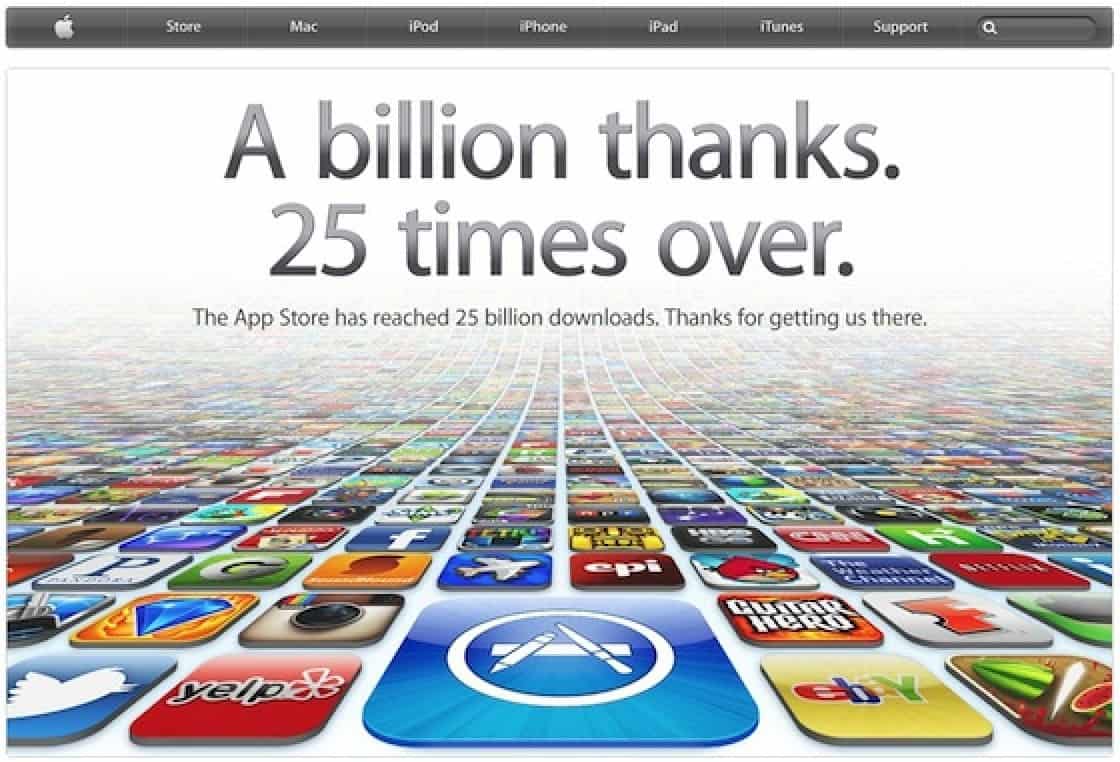
 March 5, 2012: Apple reaches a staggering milestone, with 25 billion apps downloaded from the iOS App Store. The company celebrates with a giveaway titled the “25 Billion App Countdown.”