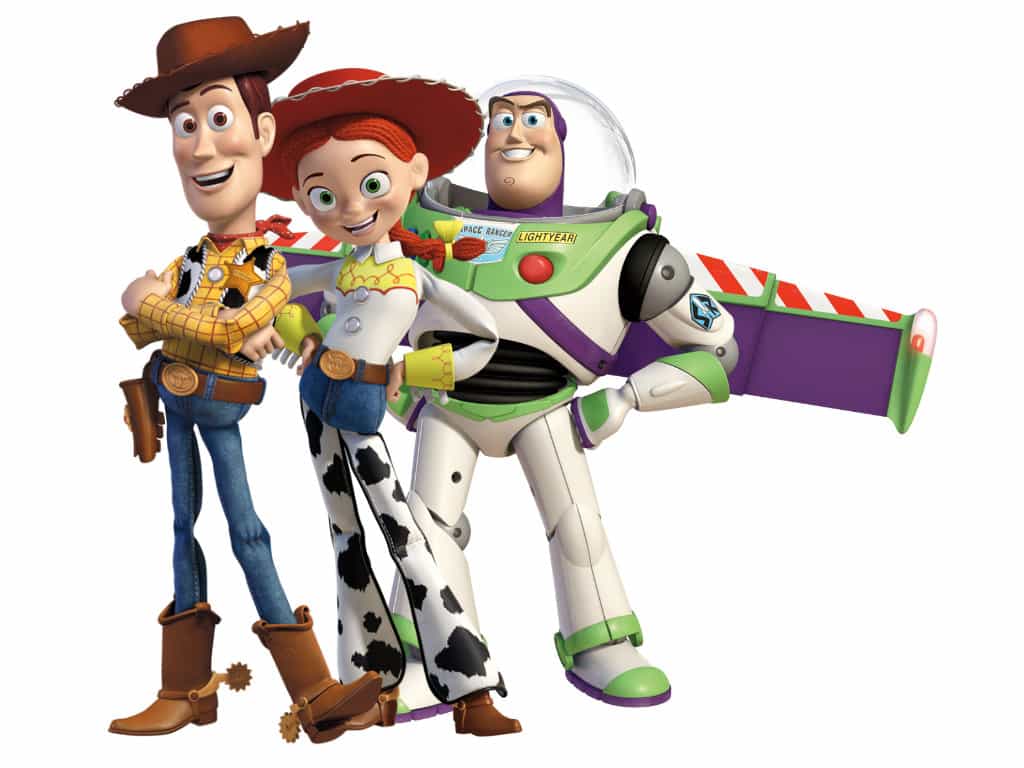
 November 24, 1999: Steve Jobs gets another feather in his cap when Toy Story 2, the sequel to the 1995 Pixar hit, debuts in theaters. It goes on to become the first animated sequel in history to gross more than the original.
While more a piece of Steve Jobs history than Apple history, the release of Toy Story 2 caps a spectacular year for Apple’s CEO.
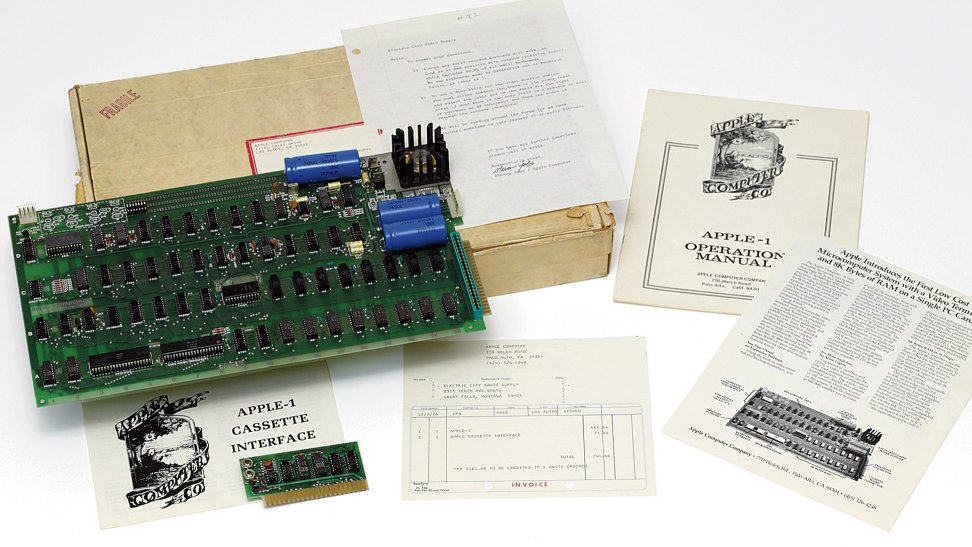
 November 23, 2010: An early Apple-1 computer, complete with its original packaging and a letter signed by Steve Jobs, sells for $210,000.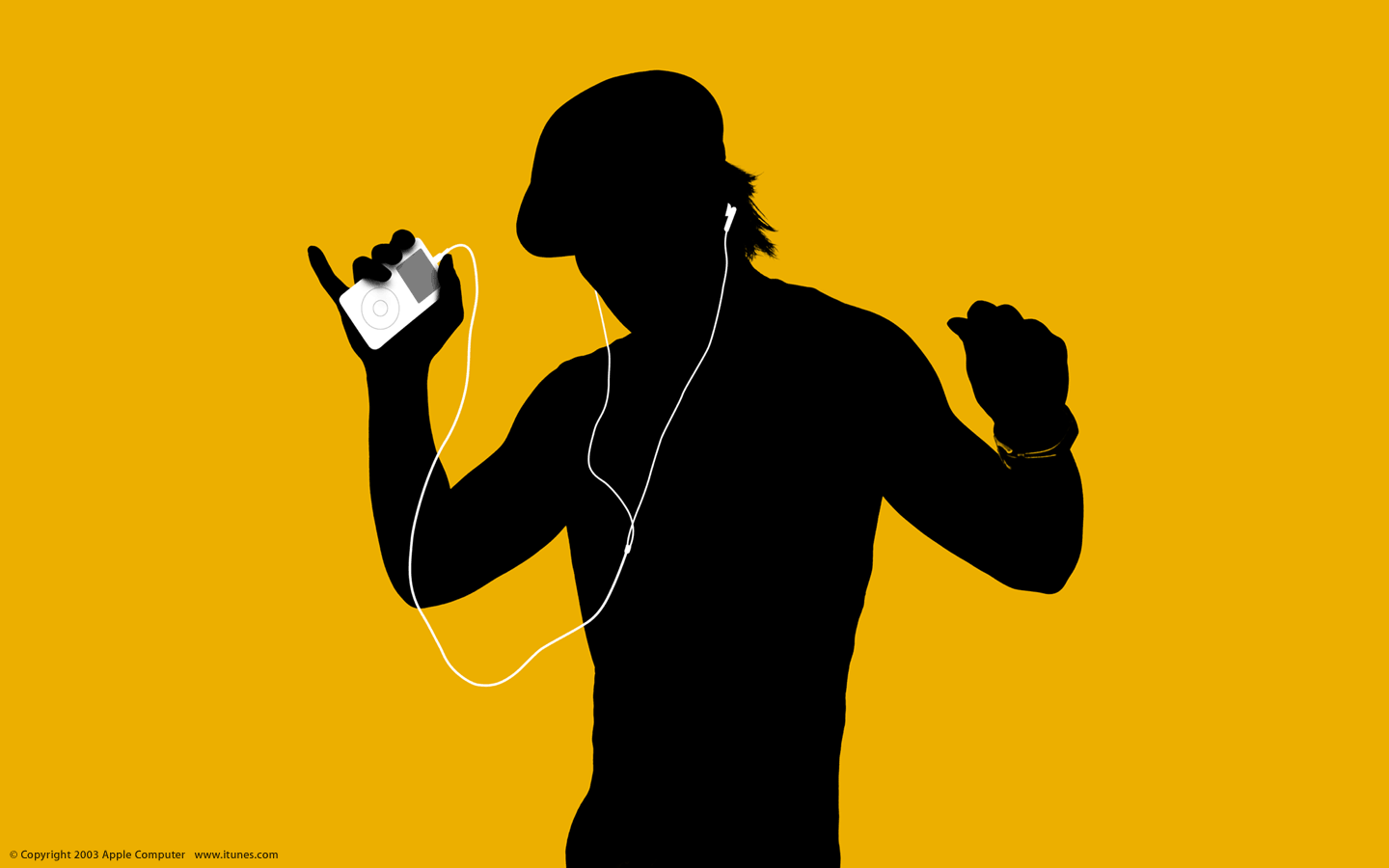
 November 22, 2005: Two-and-a-half years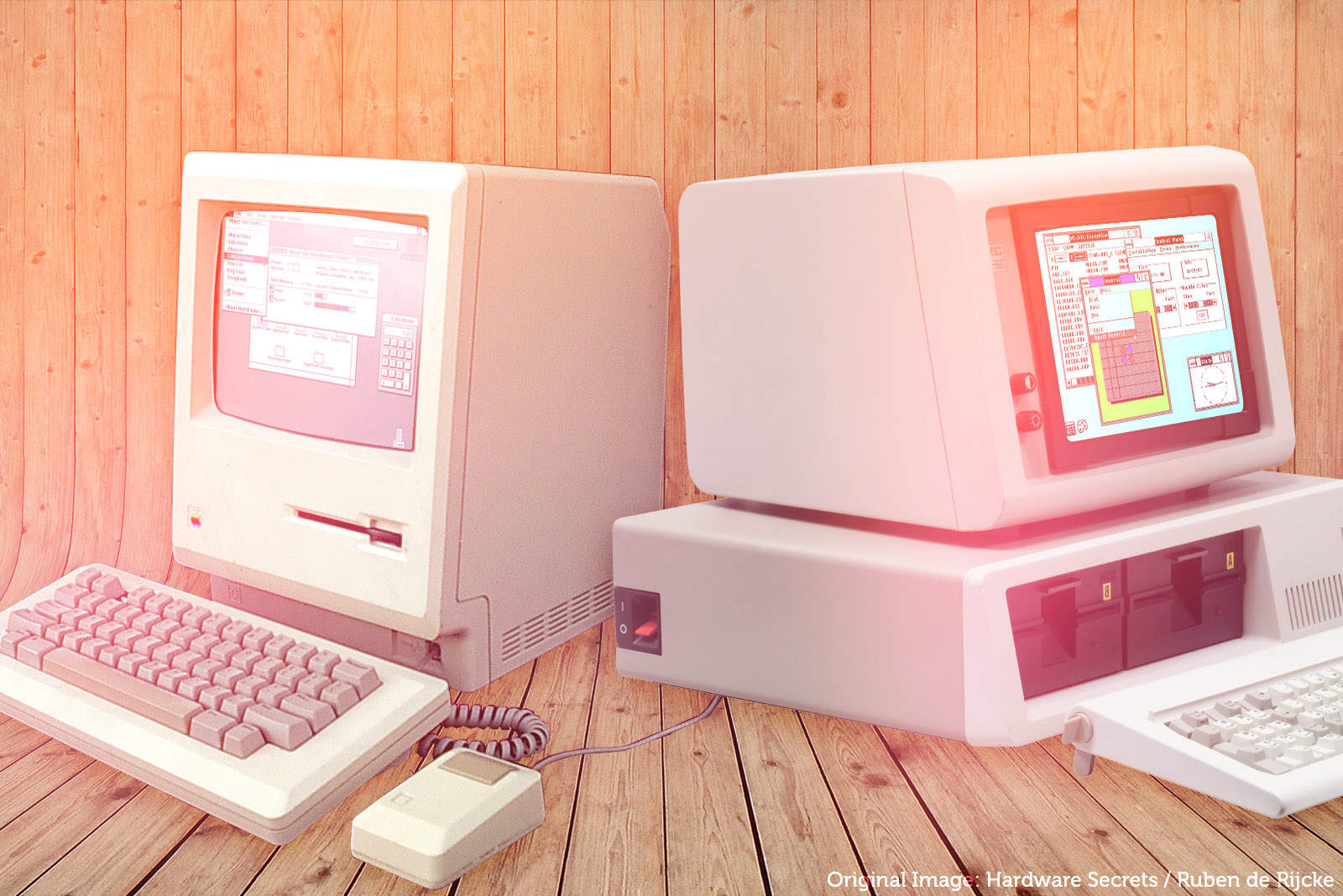
 November 21, 1985: Following
 November 20, 2007: In a milestone for iTunes movie distribution, Purple Violets becomes the first feature film to launch exclusively on Apple’s platform.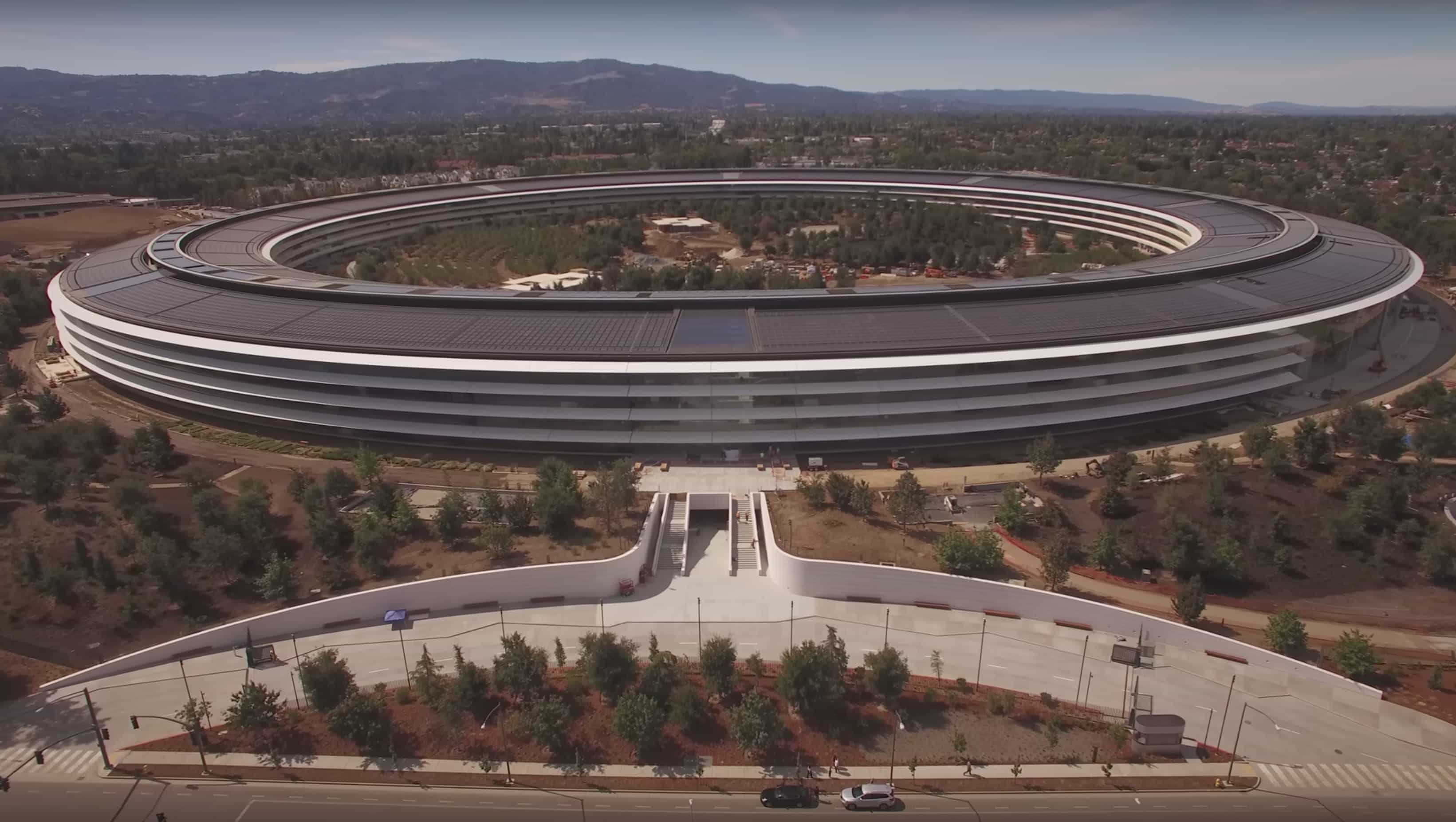
 November 19, 2013: Apple gets final approval from the Cupertino City Council to proceed with building a massive second campus to house the iPhone-maker’s growing army of workers in California. Regarding the new Apple headquarters, Cupertino Mayor Orrin Mahoney issues a simple message: “Go for it.”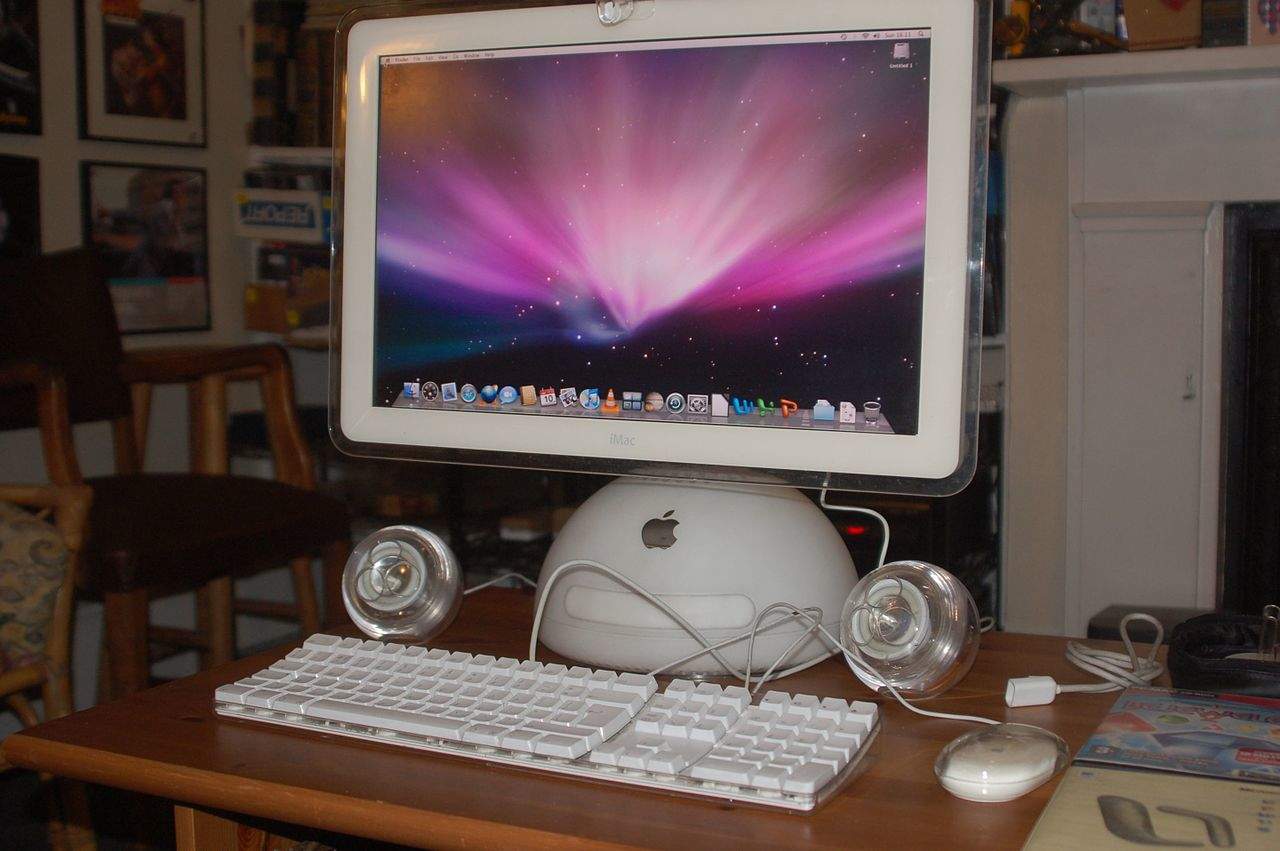
 November 18, 2003: Apple debuts its 20-inch iMac G4, the company’s biggest flat-panel all-in-one computer ever.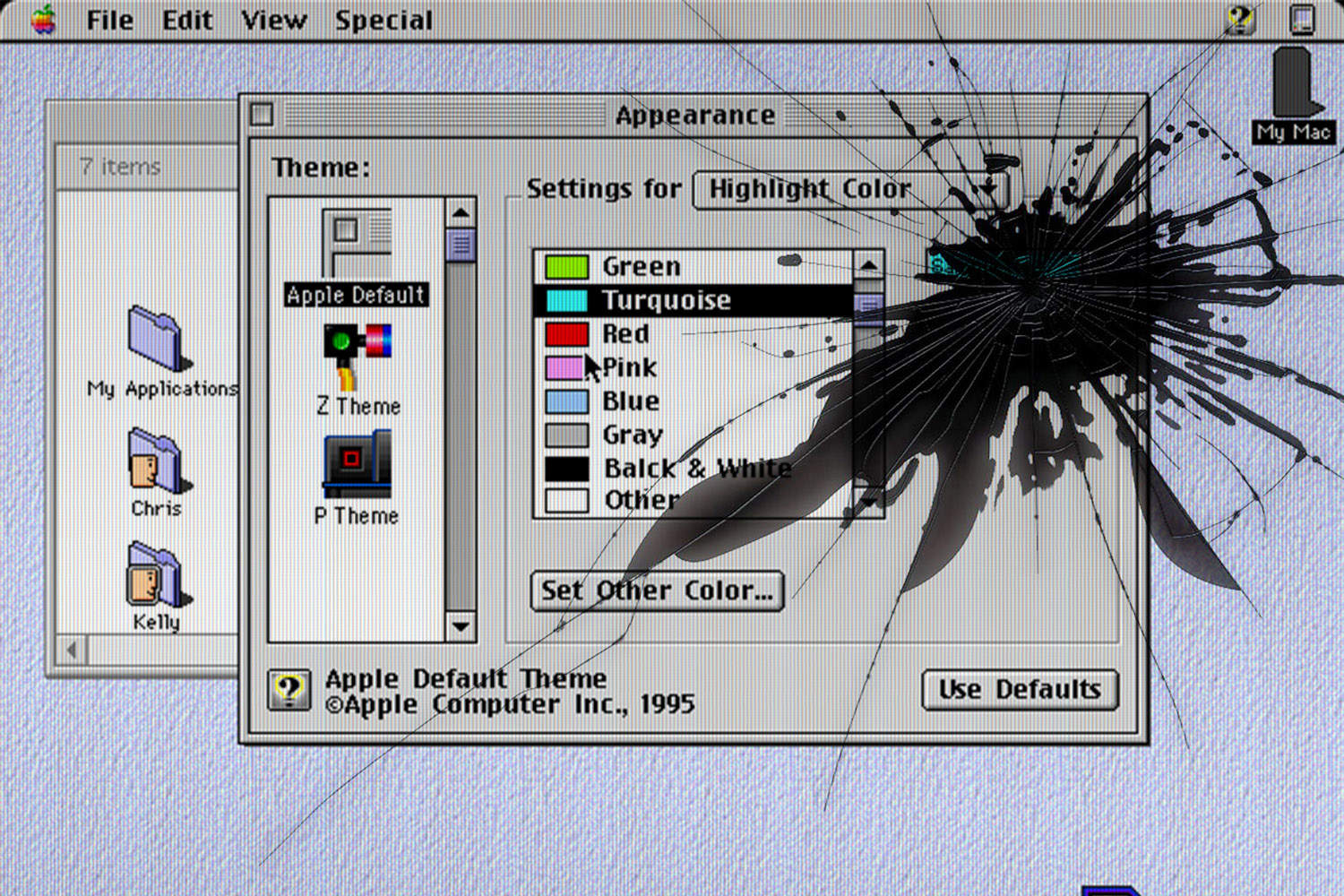
 November 17, 1995: Apple releases the first beta version of its new Mac OS Copland operating system to approximately 50 developers. Not so much a Mac OS update as a totally new operating system, it offers next-gen features designed to help Apple take on the then-mighty Windows 95.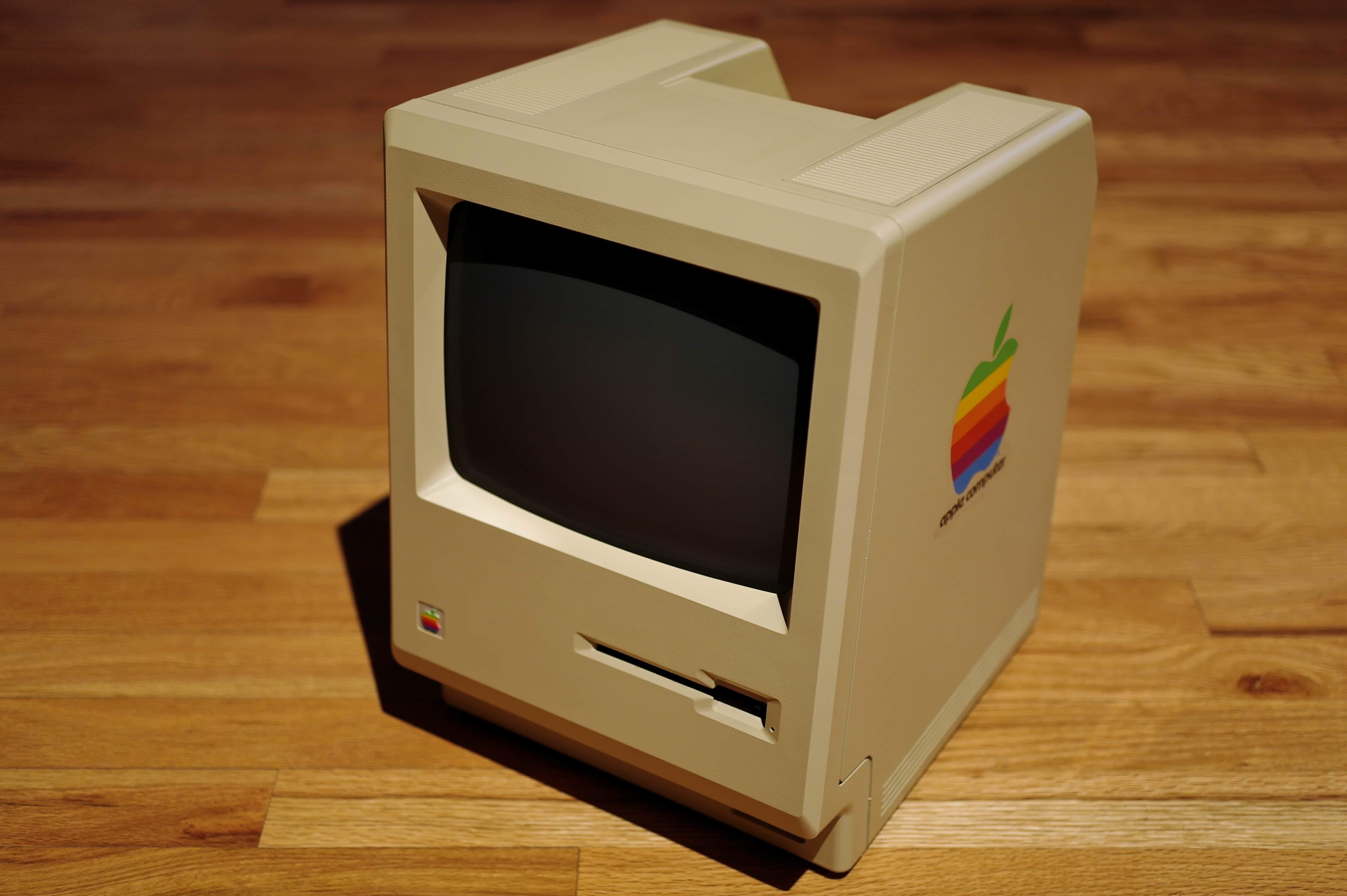
 November 16, 1982: Intent on giving Apple’s upcoming personal computer a memorable name Steve Jobs pens an impassioned plea to audio company McIntosh Laboratory. In the letter, he asks permission to use the name “Macintosh.”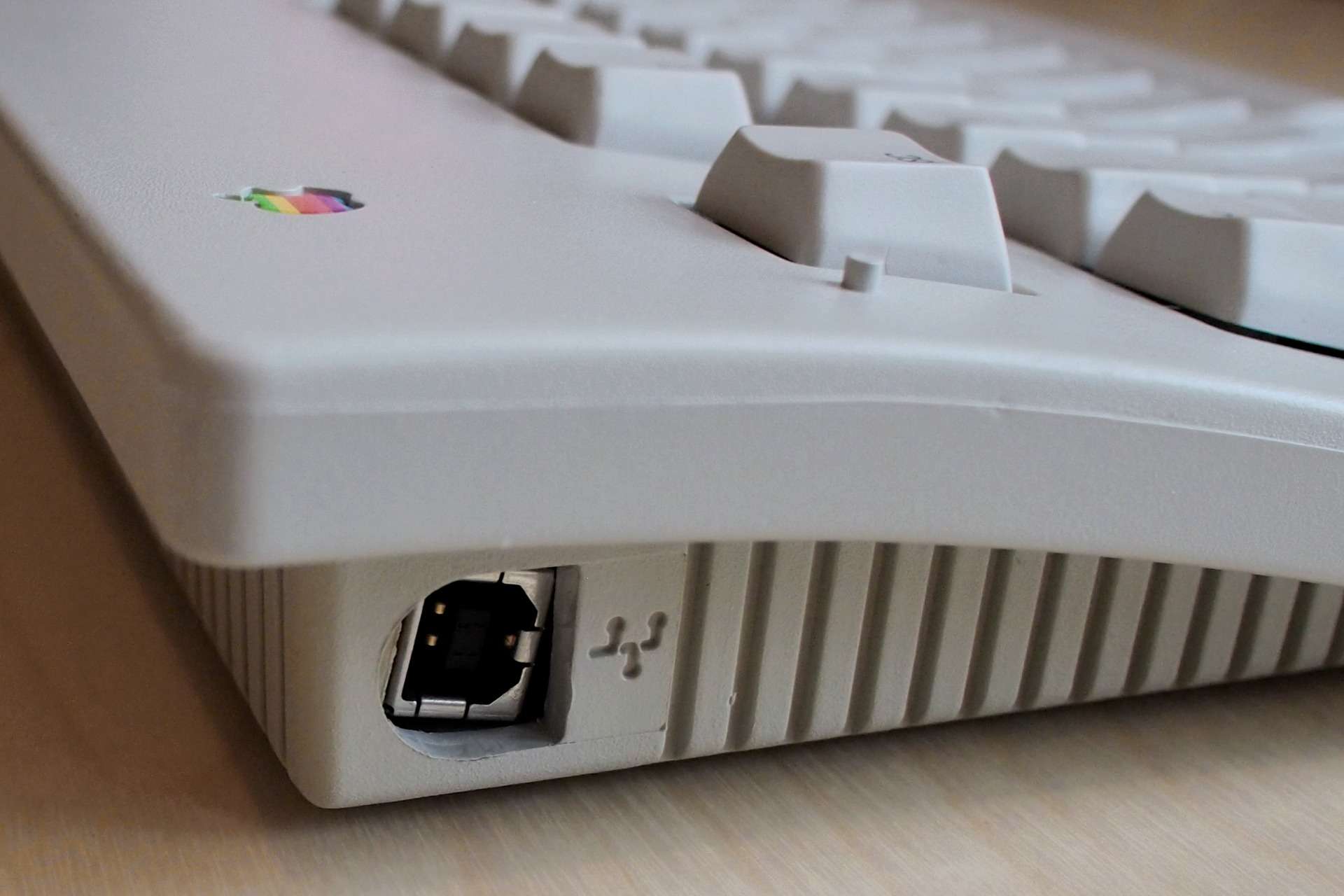
 November 15, 1990: Cupertino wins a design patent for the Apple Extended Keyboard II, arguably the greatest computer keyboard of all time.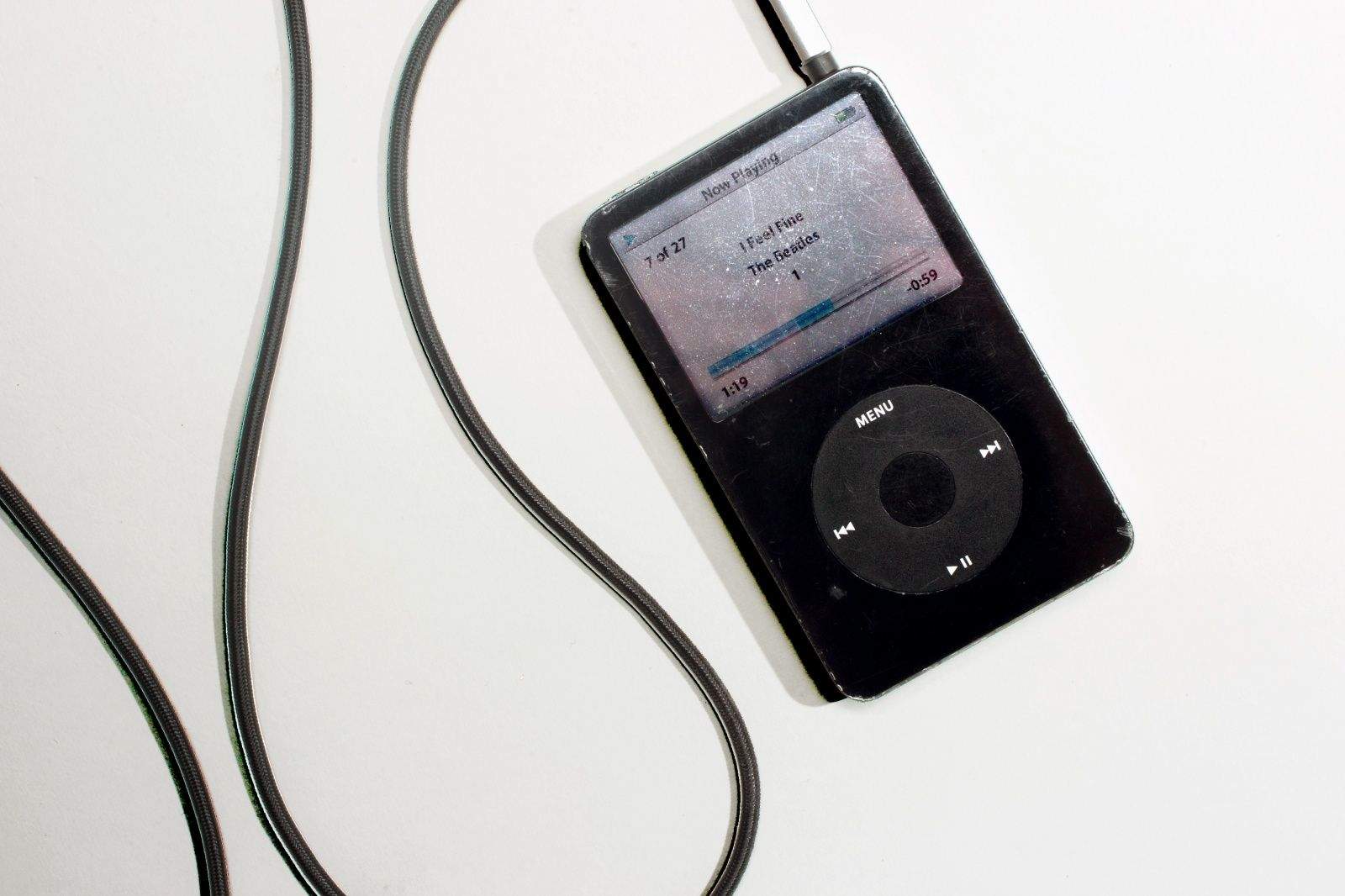
 November 14, 2006: Apple teams up with a slew of airlines to offer the “first seamless integration” between iPods and in-flight entertainment systems.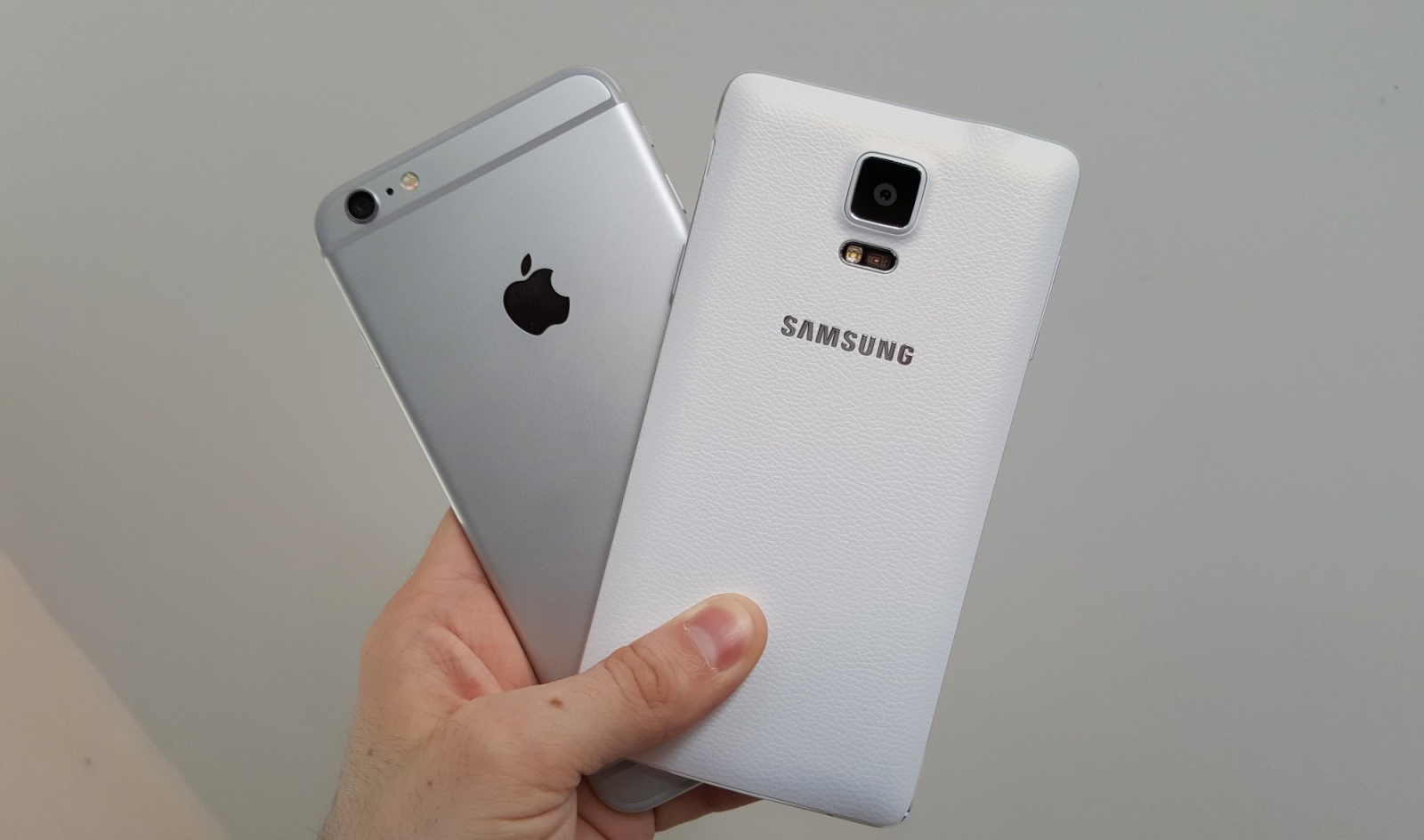
 November 13, 2013: Apple and Samsung head back to court to determine how much the Korean company must pay for having copied the iPhone. Cupertino asks Samsung for $379 million in damages for ripping off key iPhone technical and design features.
 November 12, 1996: Apple lays out a wild plan to get into the restaurant business, saying it will open a chain of Apple Cafes with a touchscreen point-of-sale system. A bit like the company’s future retail stores — but without the computers and iPhones for sale — the Apple restaurants would open in cities around the world.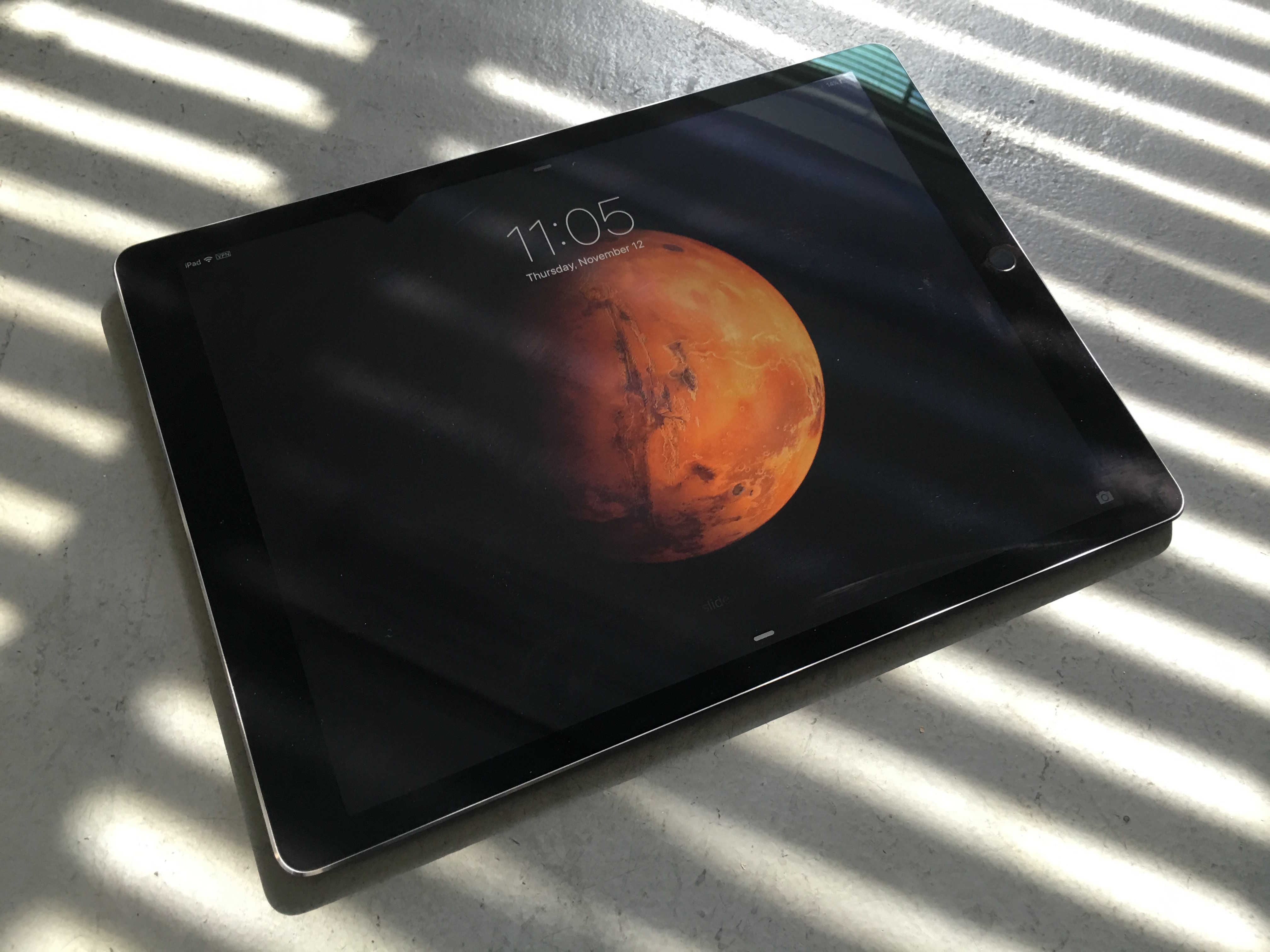
 November 11, 2015: Apple’s first iPad Pro goes on sale after months of speculation about the giant-size tablet. With its much larger screen, professional-oriented targeting and dreaded (optional) stylus, the 12.9-inch iPad Pro represents Apple CEO Tim Cook’s cleanest break yet from Steve Jobs’ vision for iOS devices.
 November 9, 1994: Gil Amelio, a businessman with a reputation as a talented turnaround artist, joins Apple’s board.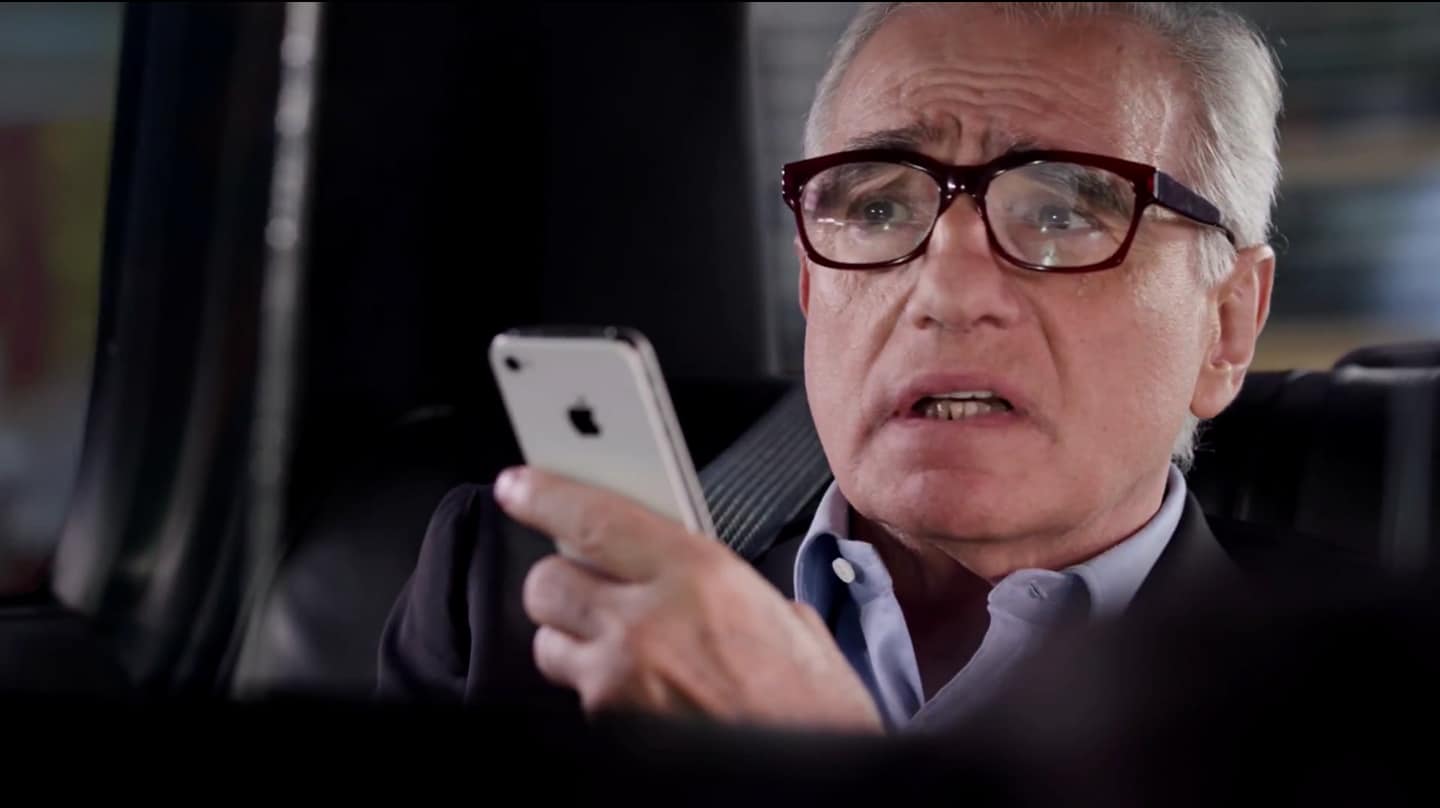
 July 23, 2012: Looking for the perfect spokesman for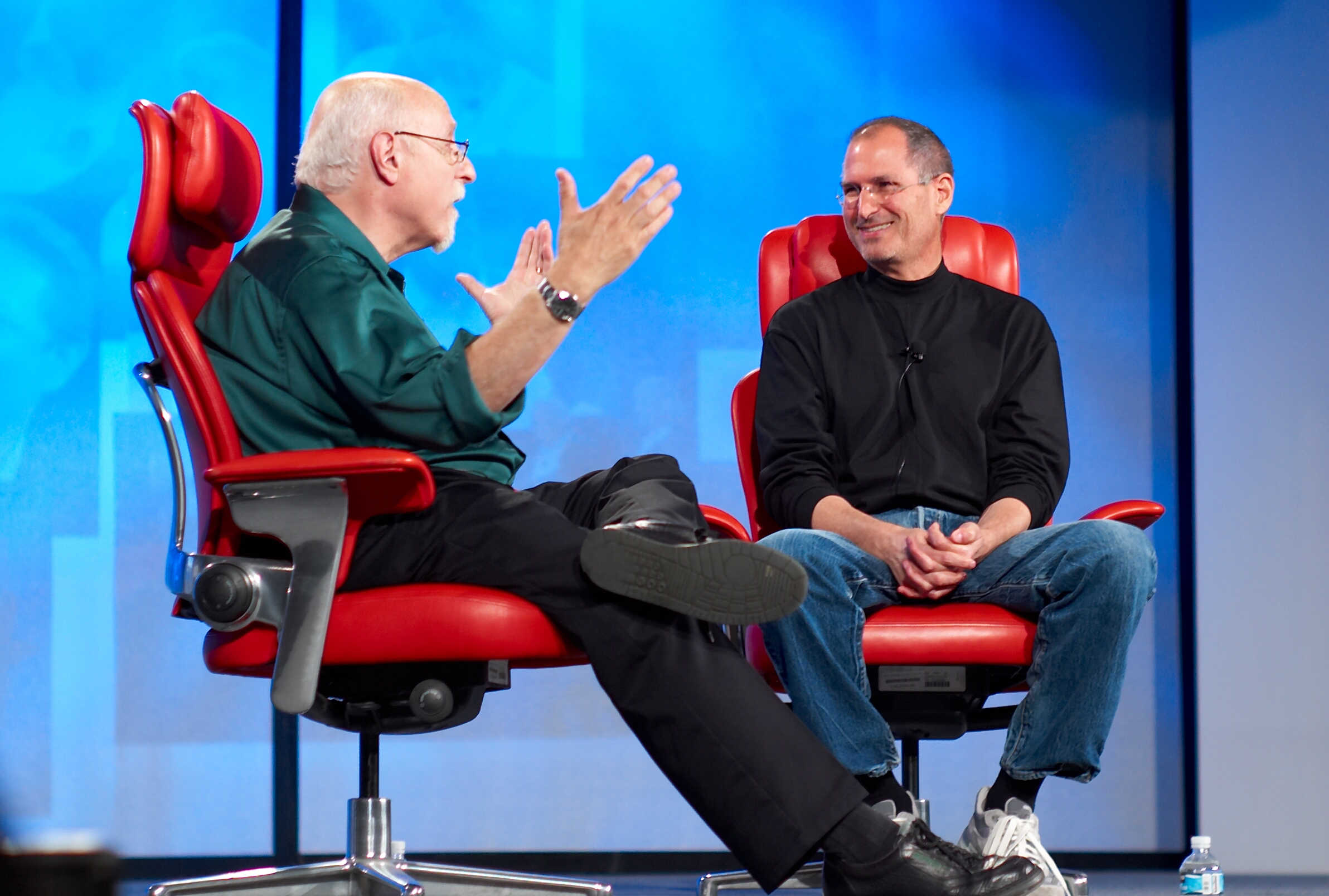
 June 12, 2007: With iPhone frenzy hitting a fever pitch in the buildup to the device’s launch, journalist Walt Mossberg sends the Apple world into a tizzy by whipping out a prerelease unit during a speech. The Wall Street Journal columnist is one of a handful of tech writers given early access to Apple’s revolutionary smartphone so he can put it through its paces for a review.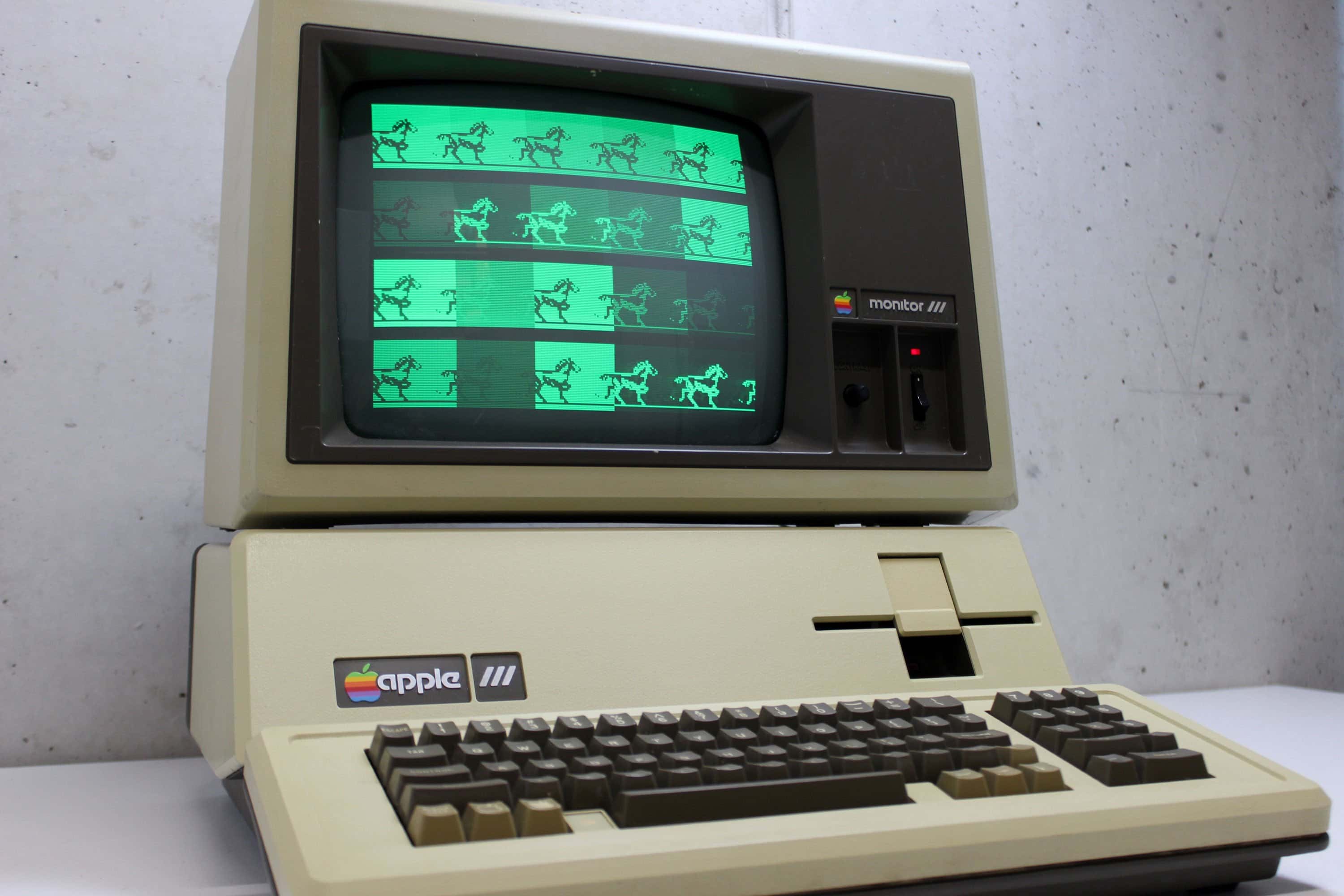
 May 19, 1980: Apple introduces the Apple III at the National Computer Conference in Anaheim, California. After two years of development, the business-oriented computer arrives to follow the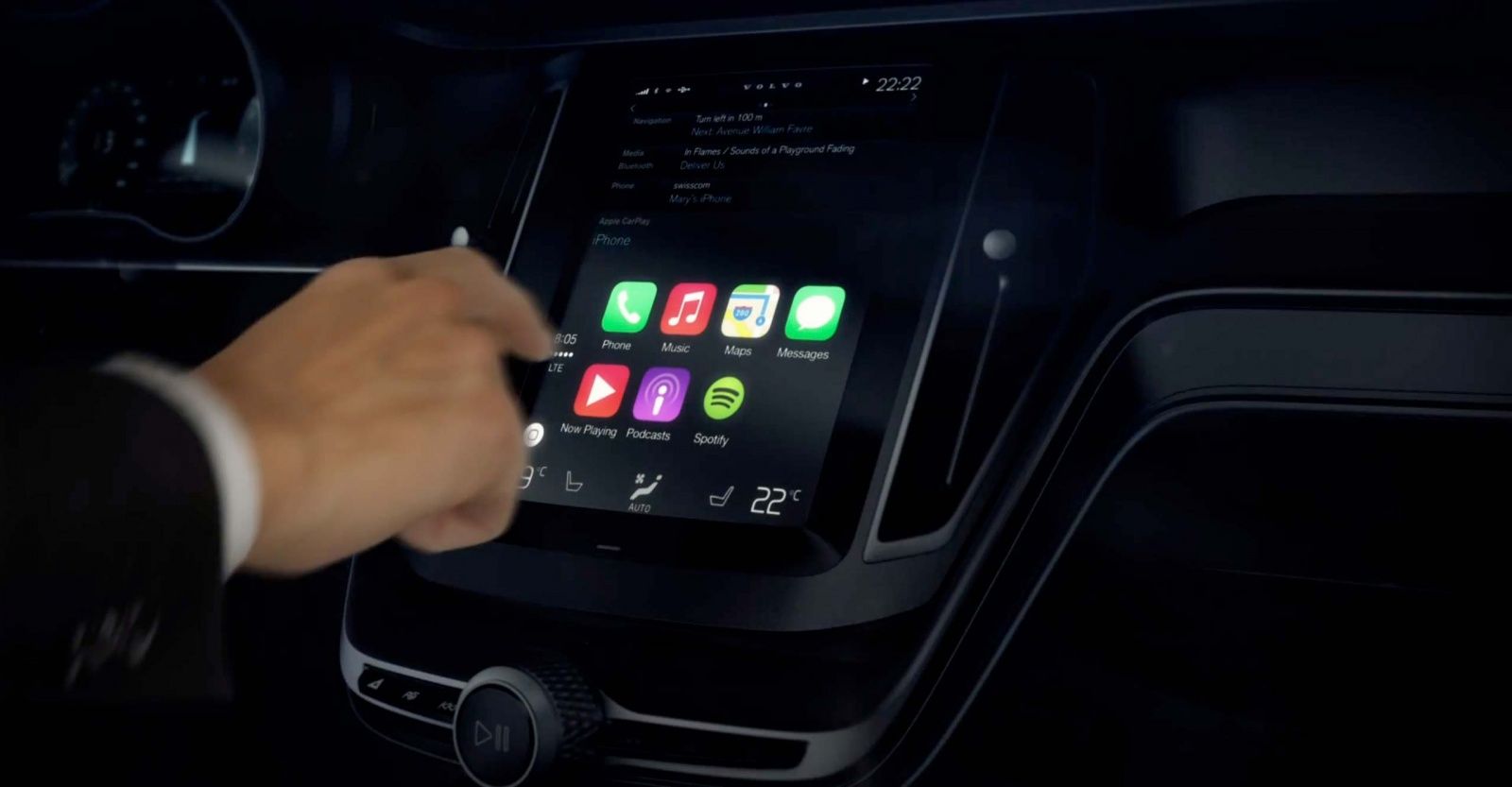
 March 3, 2014: With the CarPlay launch, Apple introduces iOS functionality for iPhone users behind the wheel via the car’s in-dash screen.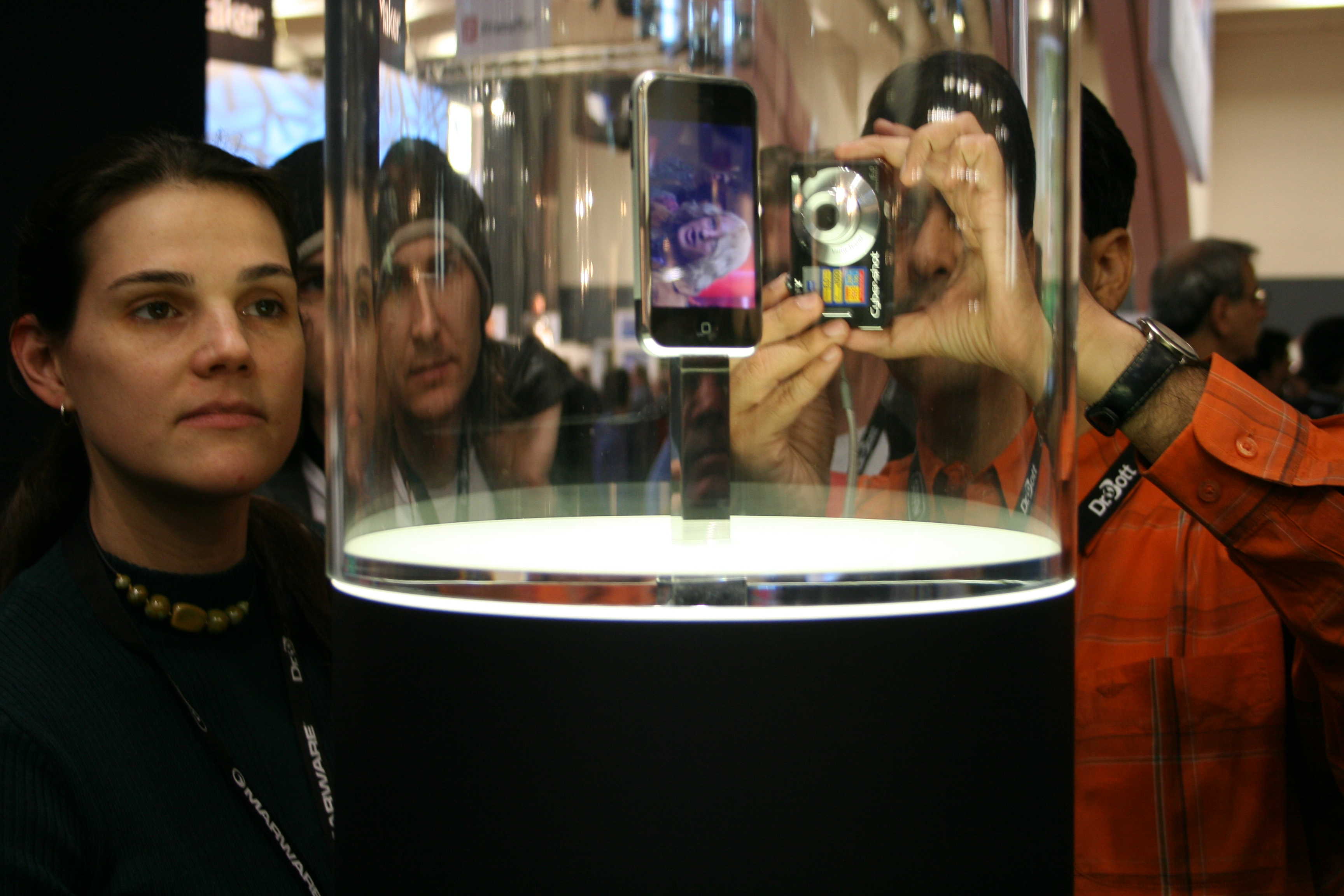
 September 5, 2007: Just months after the
 August 20, 2012: Apple passes a financial milestone as it becomes the most valuable publicly traded stock ever.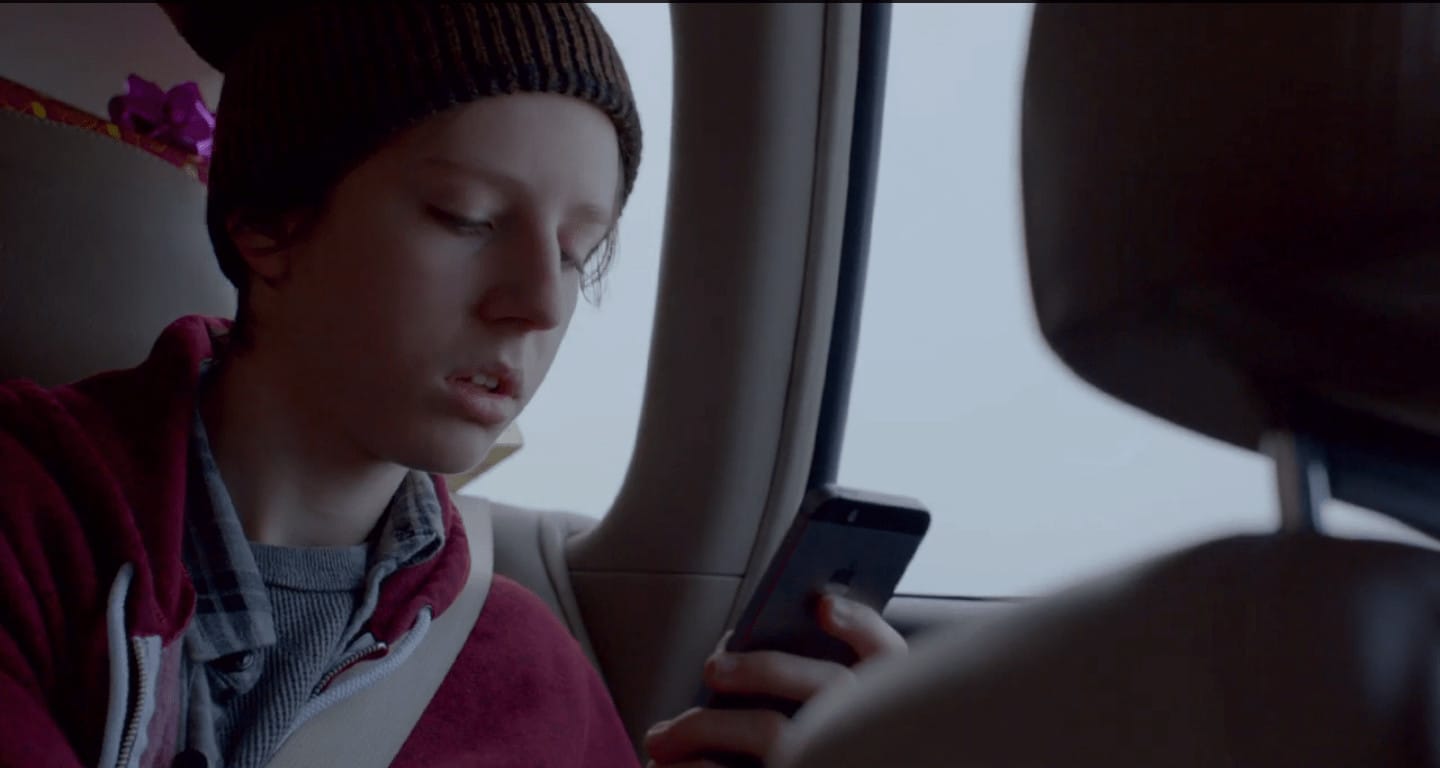
 August 18, 2014: A Christmas-themed iPhone ad lands Apple an Emmy for “Most Outstanding Commercial of the Year.”
 August 11, 1950: Apple co-founder Steve Wozniak is born. While Steve Jobs may be the most admired Apple figure, Woz might be the most well-loved by fans.
 July 21, 2011: Apple officially passes Nokia to become the world’s top smartphone vendor.
 July 15, 1998: Apple reports its third profitable quarter after the return of Steve Jobs, continuing the company’s remarkable turnaround.